Creative Methods Toolkit published!

Creative Methods Toolkit For Imagining, Designing and Teaching Regenerative Futures

Imagining, designing and teaching regenerative futures is challenging. Educators often lack approaches that allow them to address the complexities of global challenges through new narratives, which make space for the imagination of desirable futures. Commonly in education, we retell the story of an apocalyptic future when speaking about global challenges such as biodiversity degradation and climate change. This narrative, which focuses on the risks and dangers of global environmental change, is built on the assumption that the induced fear might lead to action. 

This toolkit introduces a broad variety of creative and arts-based methods for regeneration and transformation that can be used in various educational settings. It harnesses the power of creative and arts-based practices, which are increasingly seen as a means of expanding future imaginaries and supporting the development of new scenarios of transformative change. 

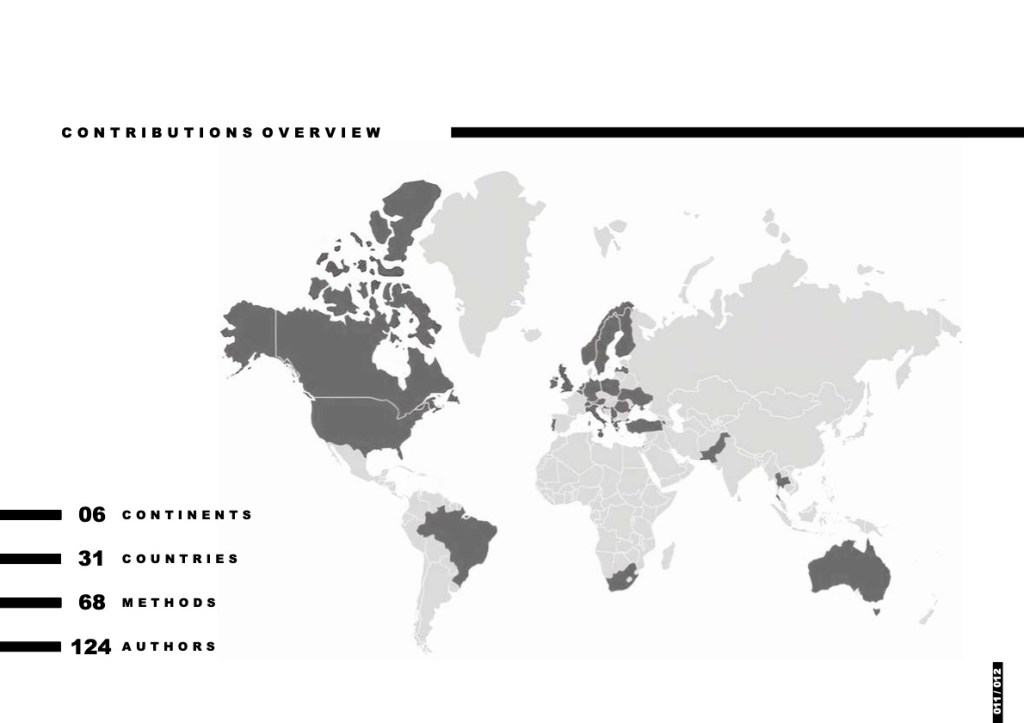
The toolkit was developed within the COST Action SHiFT – Social Sciences and Humanities for social transformation and climate change as an initiative of Working Group 3: Creative Practices and Outreach. It comprises a selection of 68 creative methods brought together in a collaborative effort by 124 authors from 31 countries and 6 continents. Its intention is to comprise a valuable resource for educators, teachers, lecturers, community workers, and change-makers who are aiming to empower their learners while providing competencies in regenerative design, climate action, futures thinking, human-nature connection, wellbeing and community engagement. 
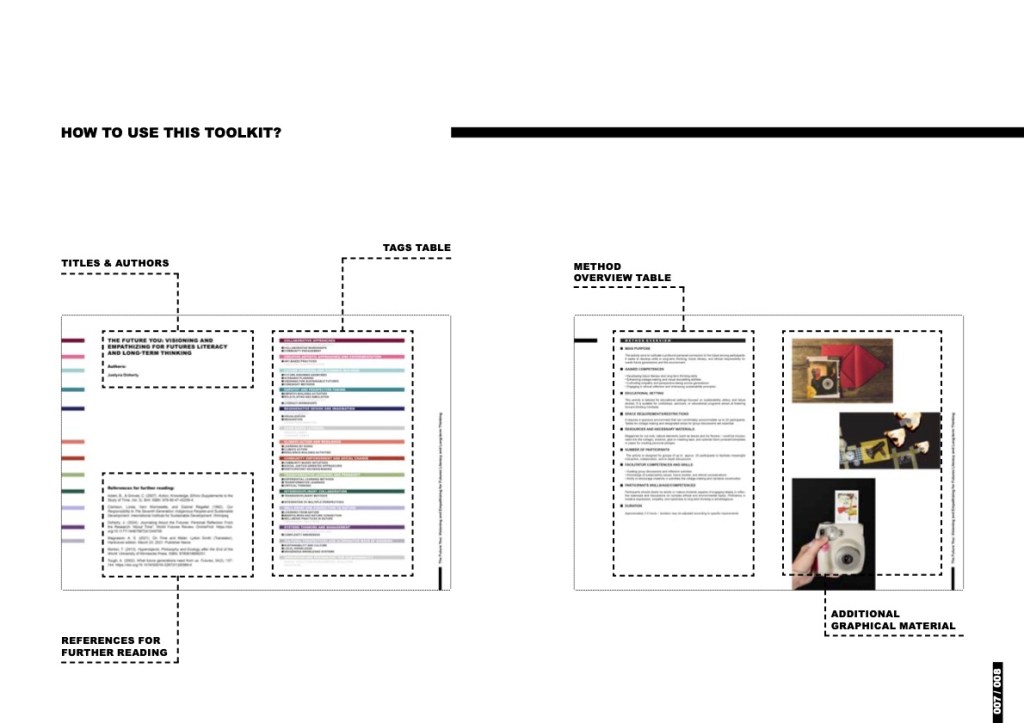
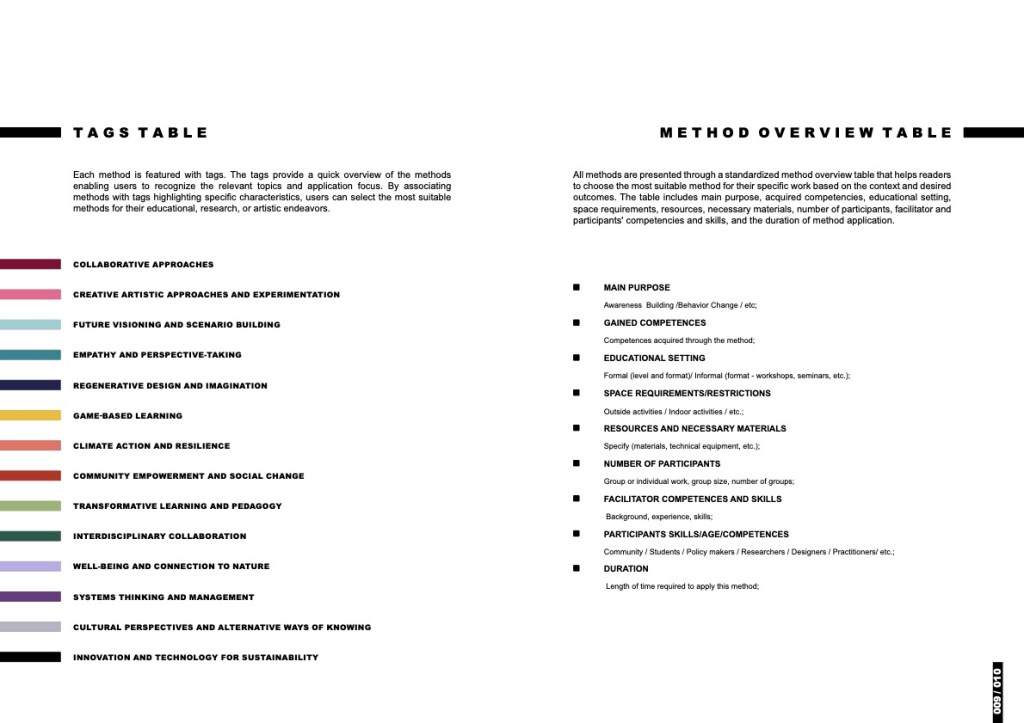
Designed with user-friendliness in mind, it facilitates navigating among different methods easily through tags and tables, supporting researchers and educators to identify suitable methods and tools for their specific context. It comprises a resource for researchers, educators, lecturers, community workers, and change-makers in the broadest sense, who wish to foster competencies in the areas of regenerative design, climate action, trans-formative research and sustainability education. 
The “Creative Methods Toolkit” is designed as a complementary resource to the Book “Imagining, Designing and Teaching Regenerative Futures – Experiences from around the world” (Bentz, J. & Ristic Trajkovic, J. (Eds.) forthcoming). It introduces a wide range of methods for educational purposes, related to community engagement, regenerative futures, wellbeing, innovation, and transformative learning. 
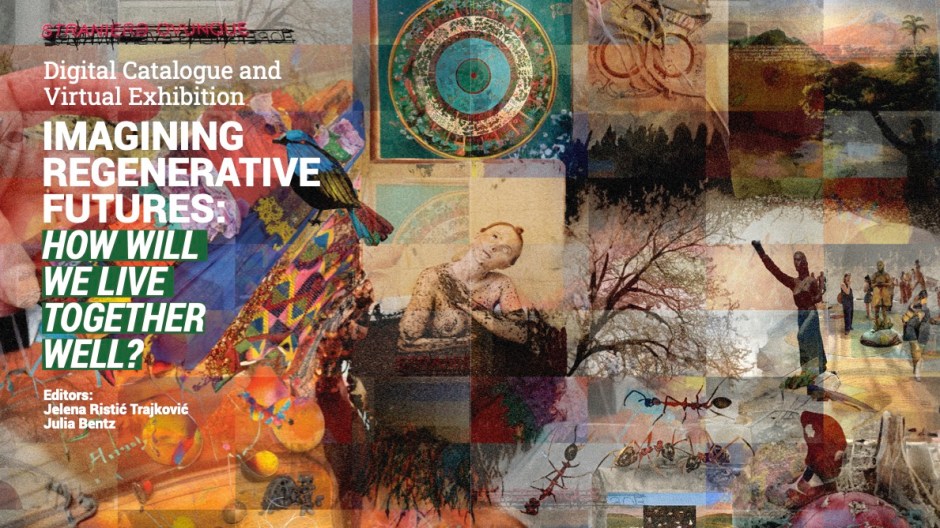
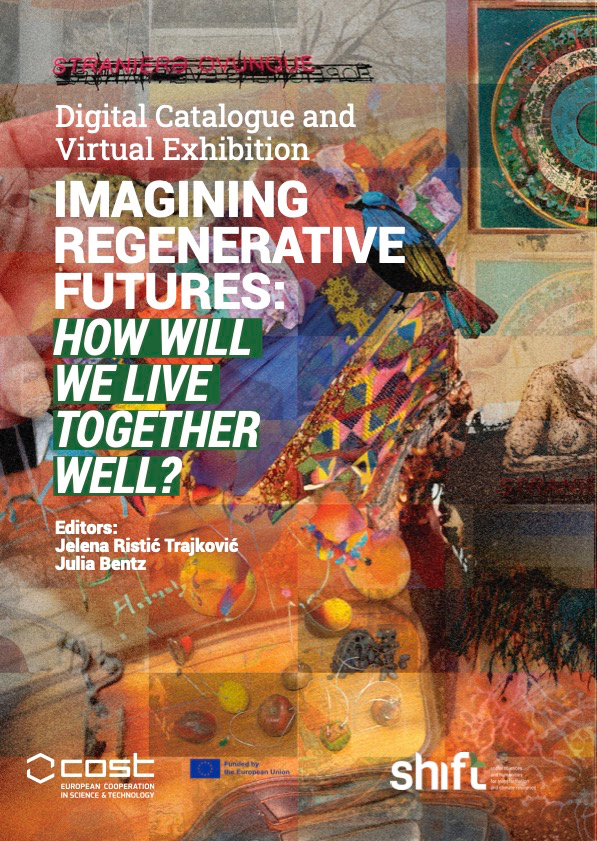
Art-Science Lab in Venice and a digital exhibition with catalogue

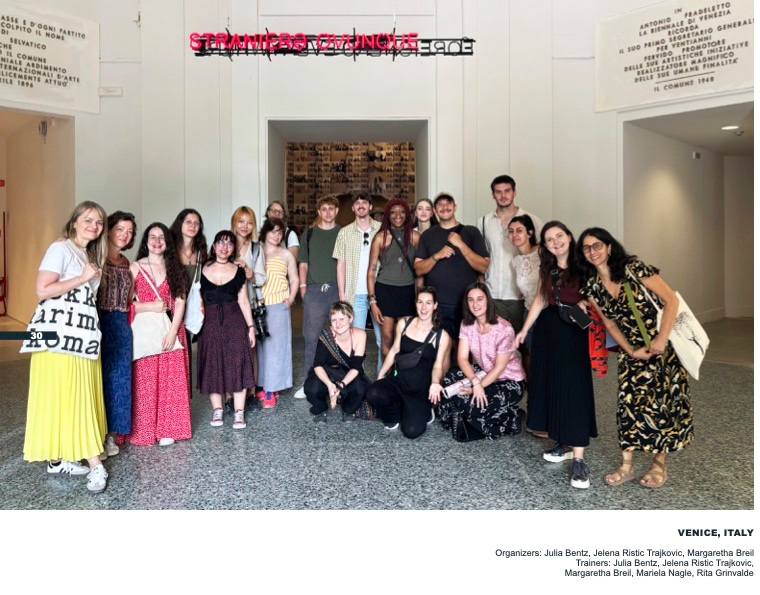
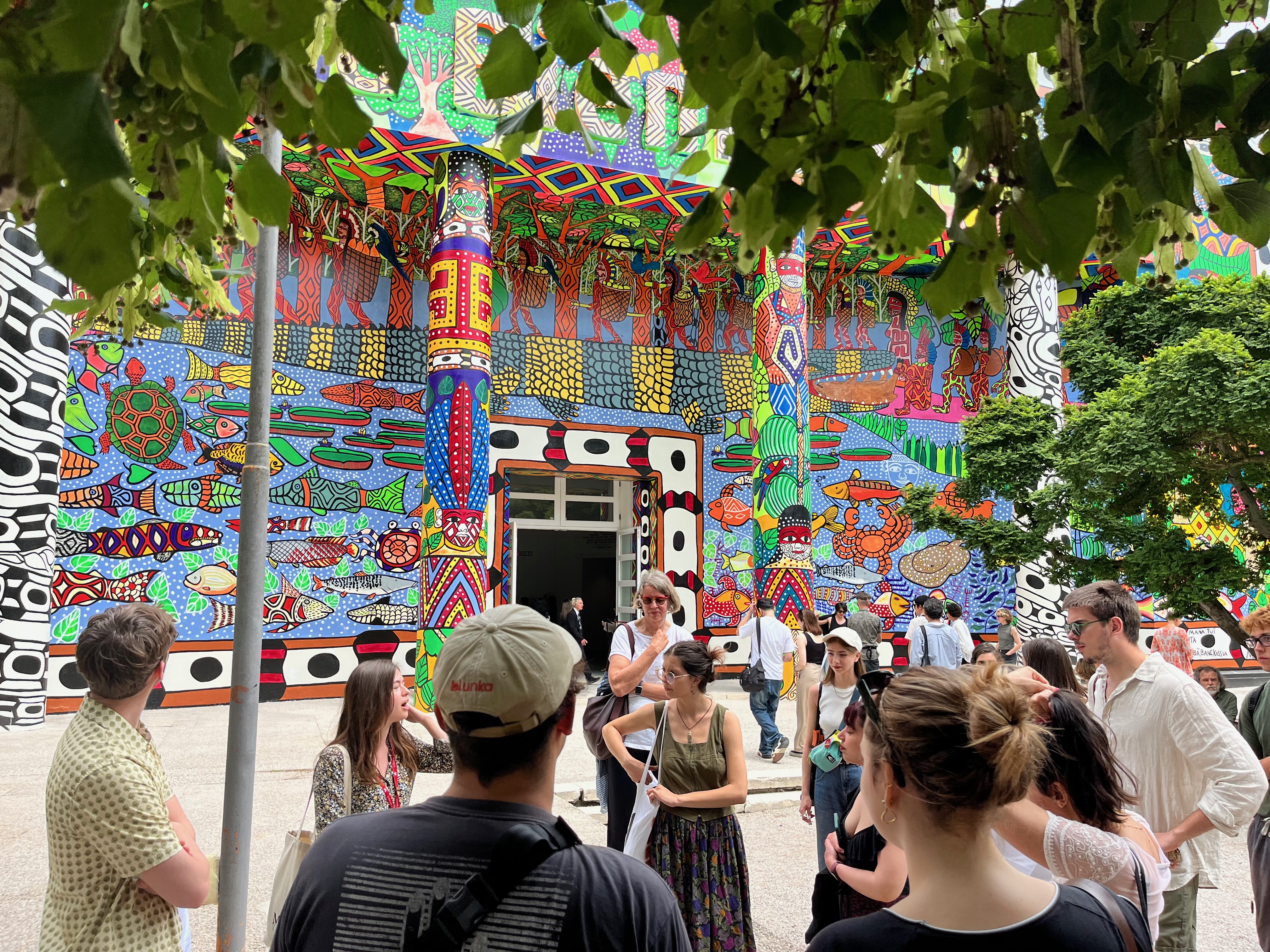
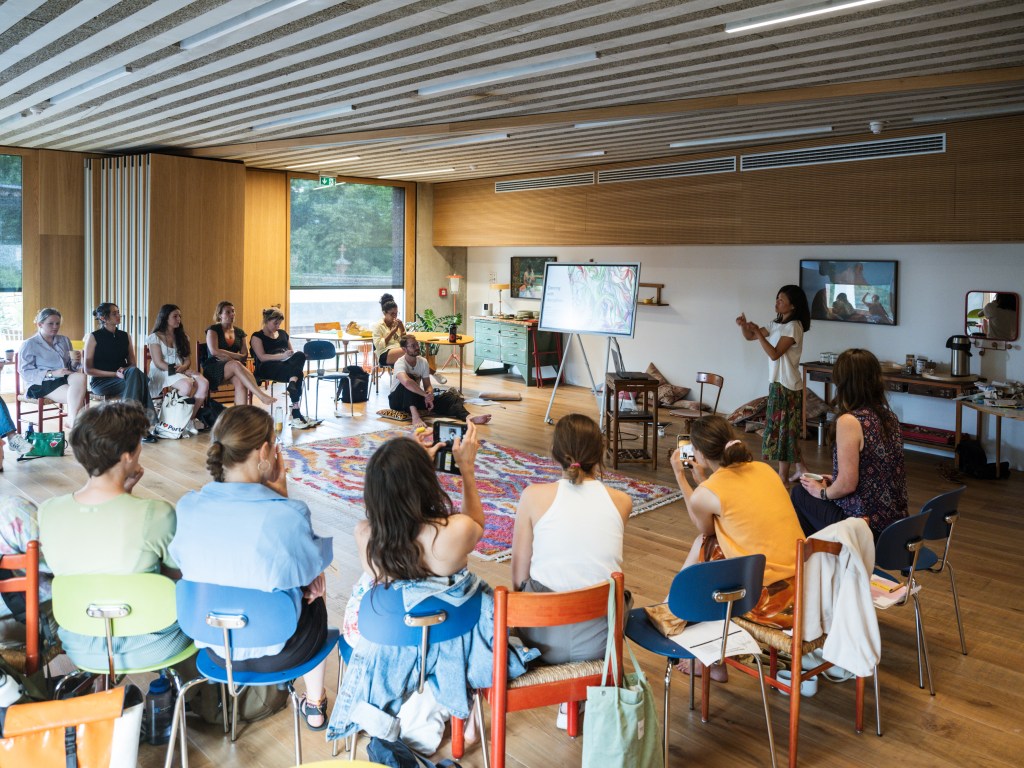
The art-science lab “(Re)imagining Regenerative Futures: How will we live together well?” invited early career researchers to share their imagination and interpretation of regenerative futures. Taking place on June 14 and 15, 2024, in Venice, Italy, it brought together young creatives and early career researchers from diverse backgrounds, demonstrating the transformative power of imagination and art to foster regeneration. 

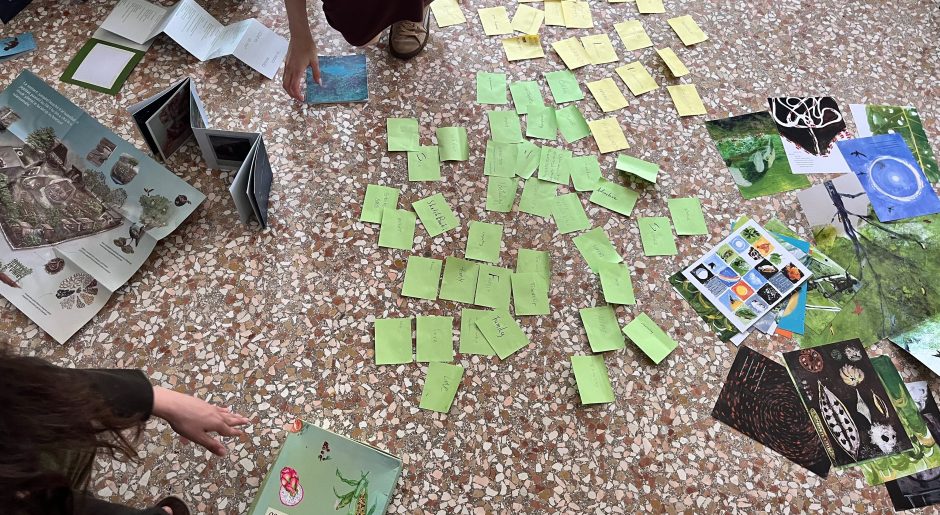
Applications for the lab consisted in the submission of a photo and narrative illustrating creative responses to how we can (re)create our futures together. At the art-science lab participants engaged in interactive workshops connecting their creative works to universal values and co-creating a common narrative from the individual works. 

This process fostered a deep respect for multiple voices, allowing diverse perspectives to flourish and contribute to a richer, more multifaceted outcome. The Lab encouraged transcending disciplinary boundaries and adopting a holistic approach to building a regenerative future. 

This publication features a digital catalogue and exhibition showcasing: 

• Shortlisted individual photographs and accompanying narratives, offering unique views from different parts of Europe and the world. 

• The collaborative artwork and activities resulting from the Lab’s interactive sessions. 

• The reflections from the Lab’s interactive sessions. 

Wisdom and Research Practice – A Living Lab

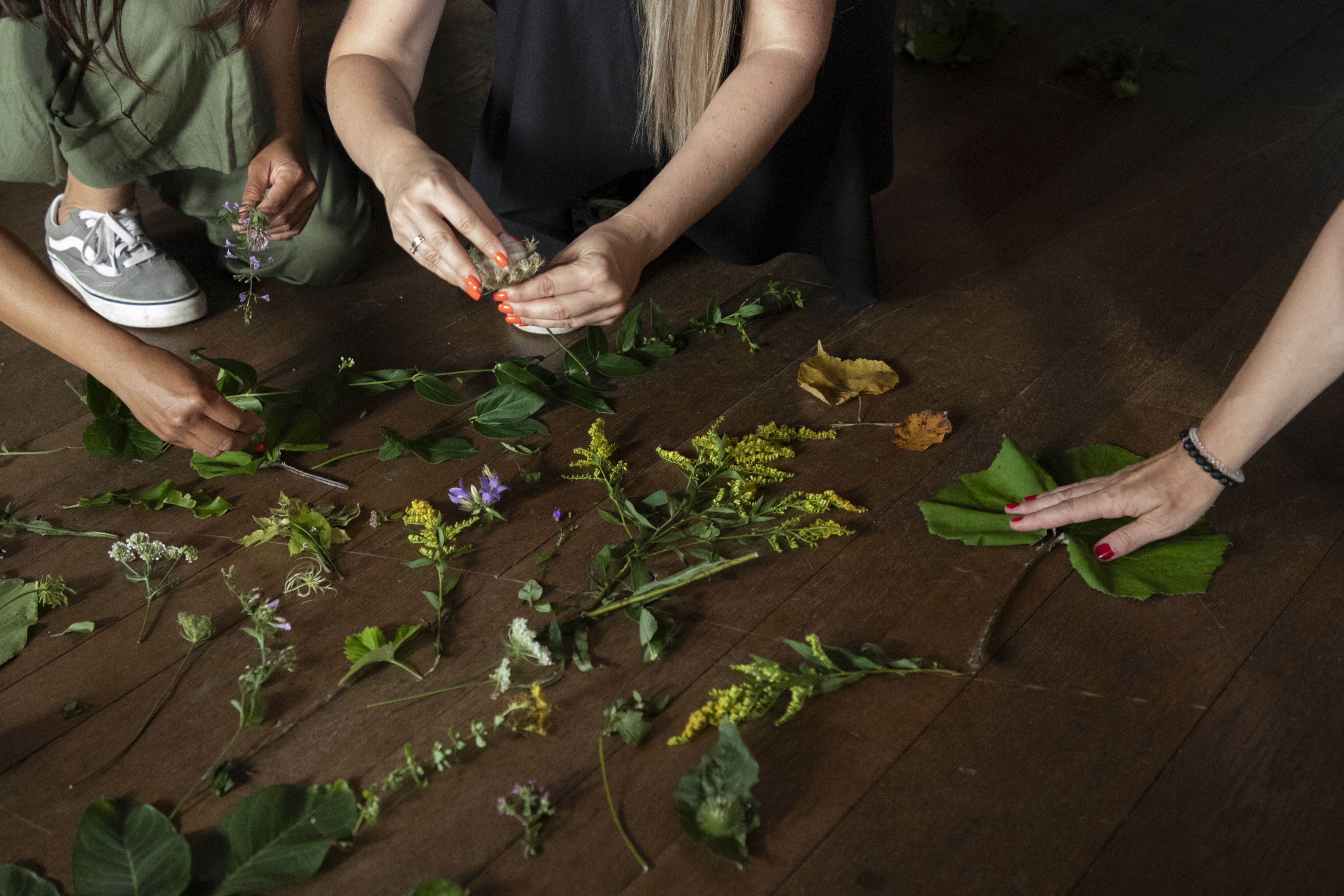
The living lab Wisdom and Research Practice invited mid- career and senior researchers who are weaving wisdom into their current research practices. It addressed the questions of how we can co-create holistic practices and ways of engaging with the complexities of current social-ecological challenges. It welcomed researchers from all disciplines that share the vision of a thriving and regenerative future through a holistic and transdisciplinary lens. While formal and explicit knowledge play a key active role in advancing current research, informal and alternative ways of knowing need to play an equally important role by nourishing and guiding research and actions towards a meaningful and regenerative future for all. Embracing them together, they become an interplay of active doing and receptive being. Informal and alternative ways of knowing imbue wisdom through observations, sensing, connecting, reflections, embodiment, creativity and imaginations. This way of being can help shaping and guiding the many diverse ways of doing in art, music, dance, communications, planning, governance, social work, design, architecture, engineering, biology, ecology, quantum physics, agriculture, technology. 

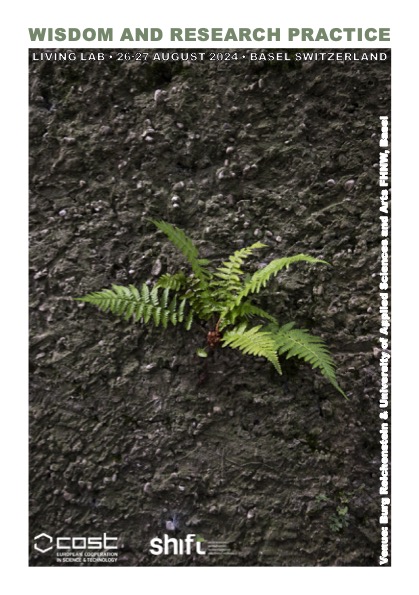
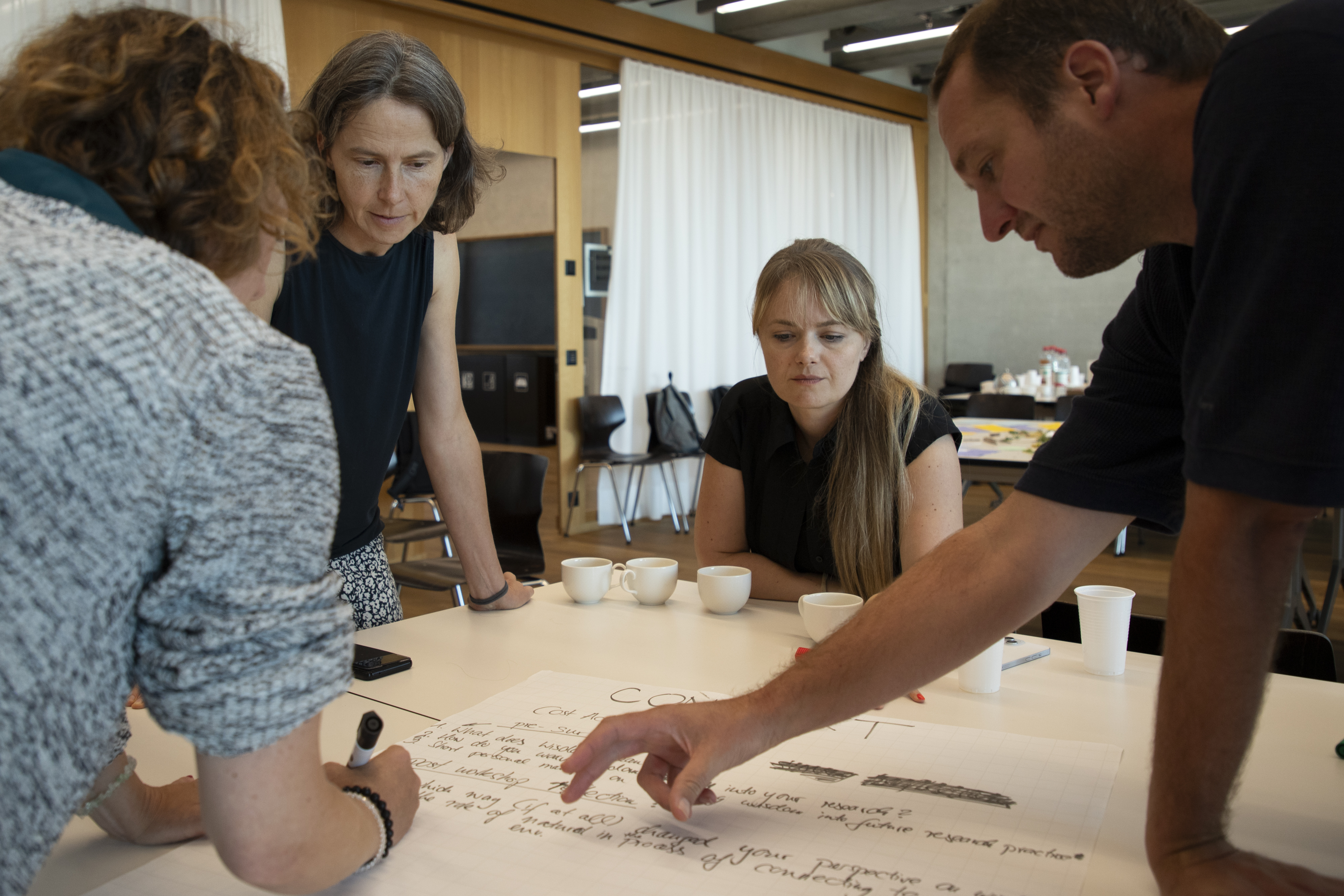
The living lab Wisdom and Research Practice took place on 26-27 August 2024 in Basel, Switzerland at the castle Burg Reichenstein and the University of Applied Sciences, Muttenz. Through interactive sessions, workshops and a field trip, this living lab aimed to integrate different perspectives on wisdom and (future) research practice by holding space for open sharing, mutual learning and creative approaches. 

Report and full program accessible here

photos: Mirella Frangella

Summer school “Urban Synergies: Co-creating thriving connections for humans with nature”

How can we live and thrive together?

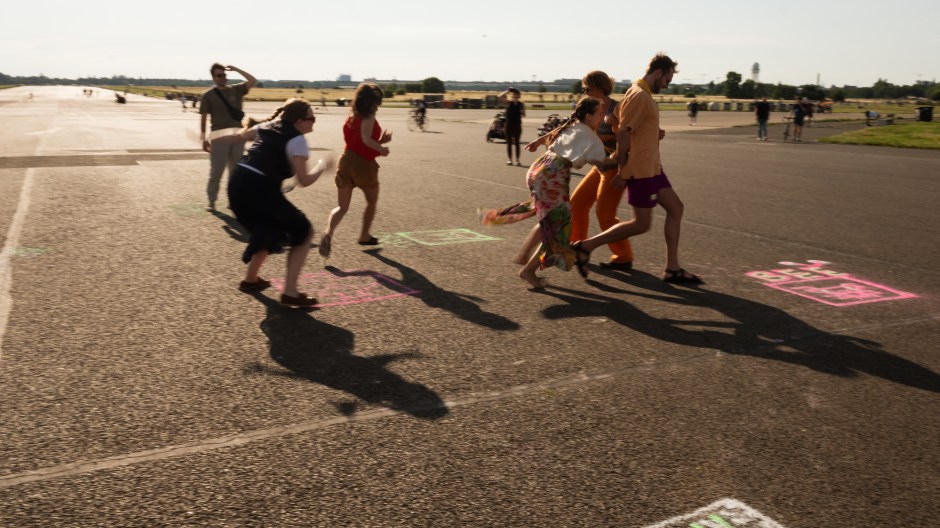
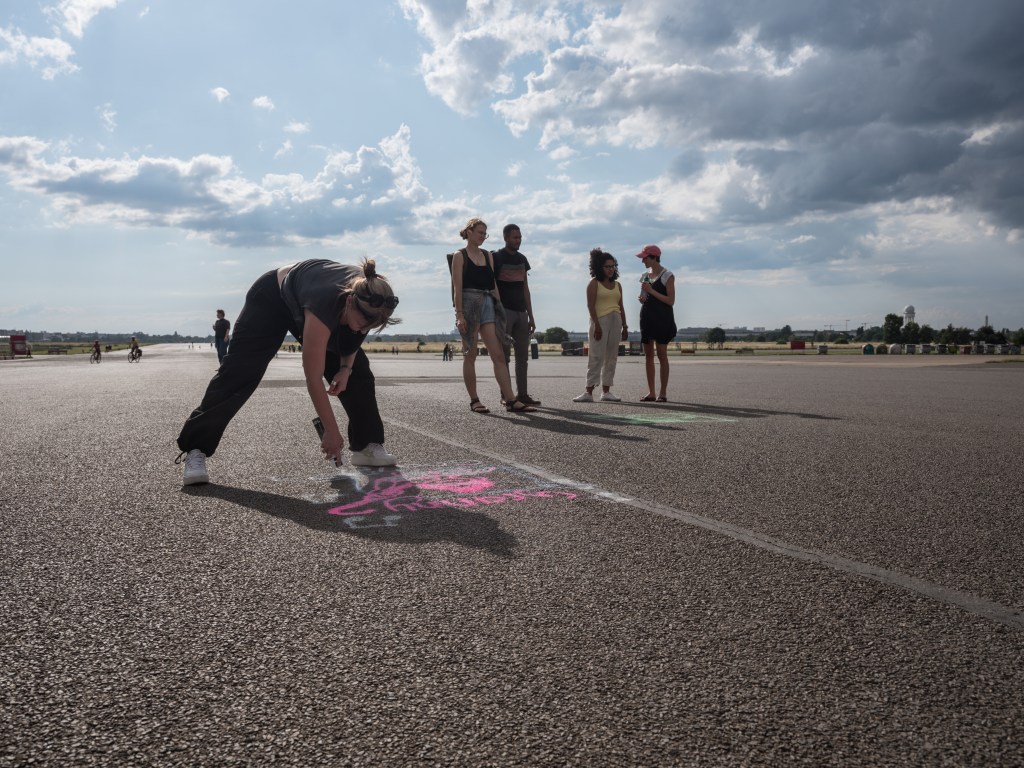
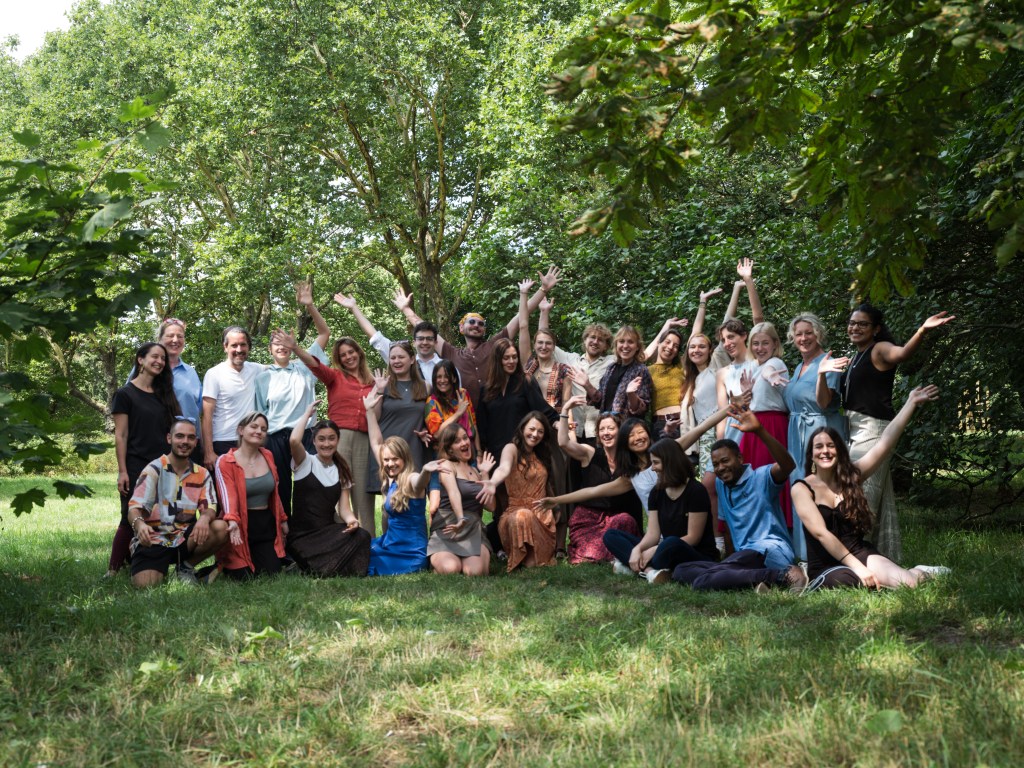
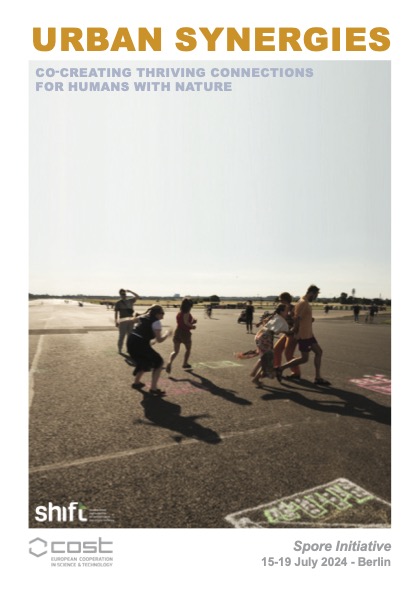
The summer school “Urban Synergies: Co-creating thriving connections for humans with nature” was a five-day event, taking place in Berlin 15-19 July 2024 involving young people from Europe and beyond. It centered around the challenging questions: How can we live and thrive together? How can we not only overcome polarities but nurture diversity and dignity for all? How can cities not only adapt to climate change but restore and regenerate relationships with nature, resources and with communities around us?

Cultural and technological transformations that define modern life have pulled us away from our fundamental connection with nature and each other in ways that are unhealthy for people and the planet. This is particularly true within cities, where urban alienation and disconnection from natural systems are especially pronounced. Today, more than half the world’s population lives in cities, and more than two-thirds will live in urban areas by 2050. As rapid urbanization and ecosystem dysfunction (e.g., climate change; biodiversity loss) accelerate, we ask, how can we begin to reimagine urban life in ways that restore our connections to one another, our communities, and to the natural systems within which we are embedded? Moreover, since cities are places of deep, visible, and longstanding material andsocial inequities, how can we envision urban futures in ways that recognize, address, and transcend historic injustices to build more just, equitable alternatives?

The chosen approach to the city was an evolving and potentially transformative journey. It involved creative, embodied, and transdisciplinary approaches to learning about current challenges and injustices, drawing new linkages, and to designing change. This summer school invited participants to reimagine conviviality and community-building in the city through a transdisciplinary lens.

The goal was to provide participants with theoretical and practical knowledge of transdisciplinarity, transformation and regeneration in urban spaces. The chosen approach integrated arts-based, design-driven and experiential learning practices with theoretical knowledge. The summer school offered a space to explore how to navigate between perceived polarities and seeming contradictions to create new, regenerative imaginaries of the future. Taking place in the vibrant neighborhood of Schillerkiez, Neukölln, the summer school provided participants with opportunities for experiential learning through field visits and creative experiments. The summer school was conceptualized as a transdisciplinary learning space. It offered a balanced program of lectures, interactive sessions and experiential field trips in Berlin provided by experienced and internationally renowned trainers and researchers.

Access Report with Full Programm here

The summer school was an activity of the Cost Action SHIFT which studies the contribution of the Social Sciences, Humanities and the Arts to sustainability transformations and climate resilience. Organized by the Working Group 3, this summer school explored the potential of transdisciplinary, art- science approaches in addressing the complexities in urban spaces, drawing new linkages and designing connections that shape regenerative and thriving urban environments. Moving beyond disciplinary approaches to environmental challenges, this summer school integrated holistic, transdisciplinary approaches and created spaces for imagining and co-creating just, livable, healthy futures that foster a sense of belonging and kinship.

Organisers and facilitators: Julia Bentz, Kiat Ng, Jelena Ristic Trajkovic

Photos: Mirella Frangella