Creative Methods Toolkit published!

Creative Methods Toolkit For Imagining, Designing and Teaching Regenerative Futures

Imagining, designing and teaching regenerative futures is challenging. Educators often lack approaches that allow them to address the complexities of global challenges through new narratives, which make space for the imagination of desirable futures. Commonly in education, we retell the story of an apocalyptic future when speaking about global challenges such as biodiversity degradation and climate change. This narrative, which focuses on the risks and dangers of global environmental change, is built on the assumption that the induced fear might lead to action. 

This toolkit introduces a broad variety of creative and arts-based methods for regeneration and transformation that can be used in various educational settings. It harnesses the power of creative and arts-based practices, which are increasingly seen as a means of expanding future imaginaries and supporting the development of new scenarios of transformative change. 

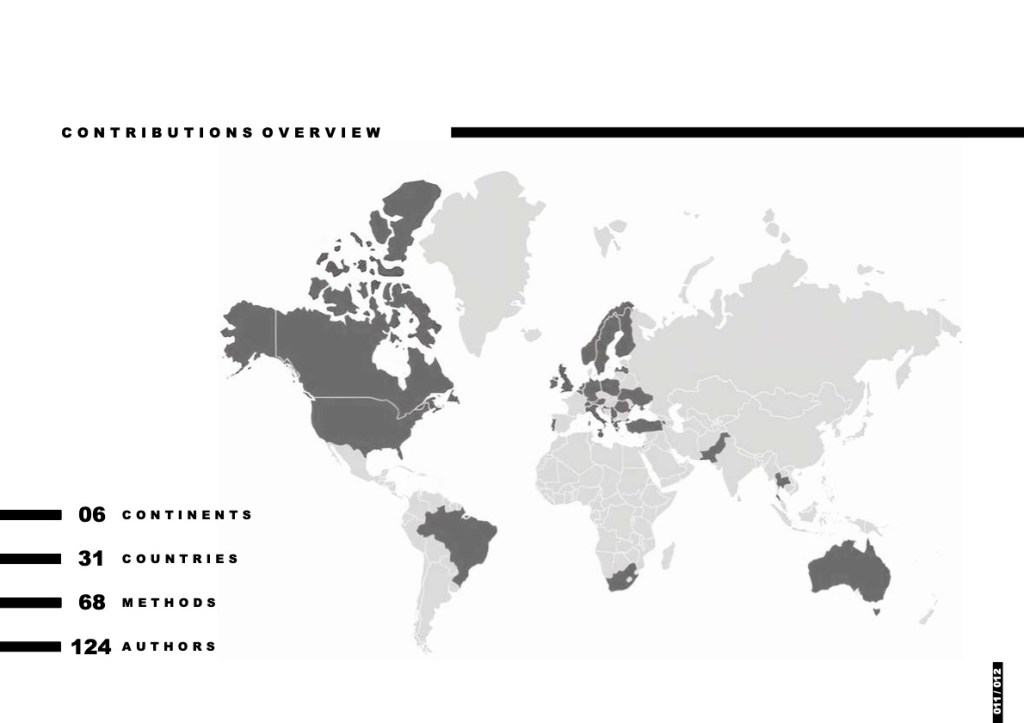
The toolkit was developed within the COST Action SHiFT – Social Sciences and Humanities for social transformation and climate change as an initiative of Working Group 3: Creative Practices and Outreach. It comprises a selection of 68 creative methods brought together in a collaborative effort by 124 authors from 31 countries and 6 continents. Its intention is to comprise a valuable resource for educators, teachers, lecturers, community workers, and change-makers who are aiming to empower their learners while providing competencies in regenerative design, climate action, futures thinking, human-nature connection, wellbeing and community engagement. 
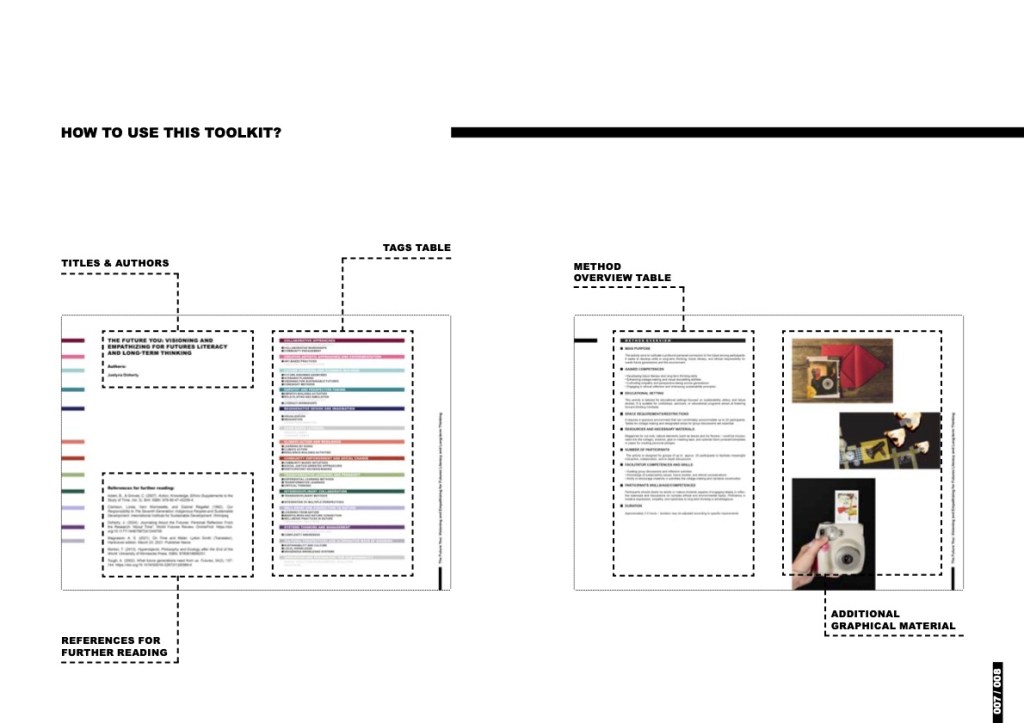
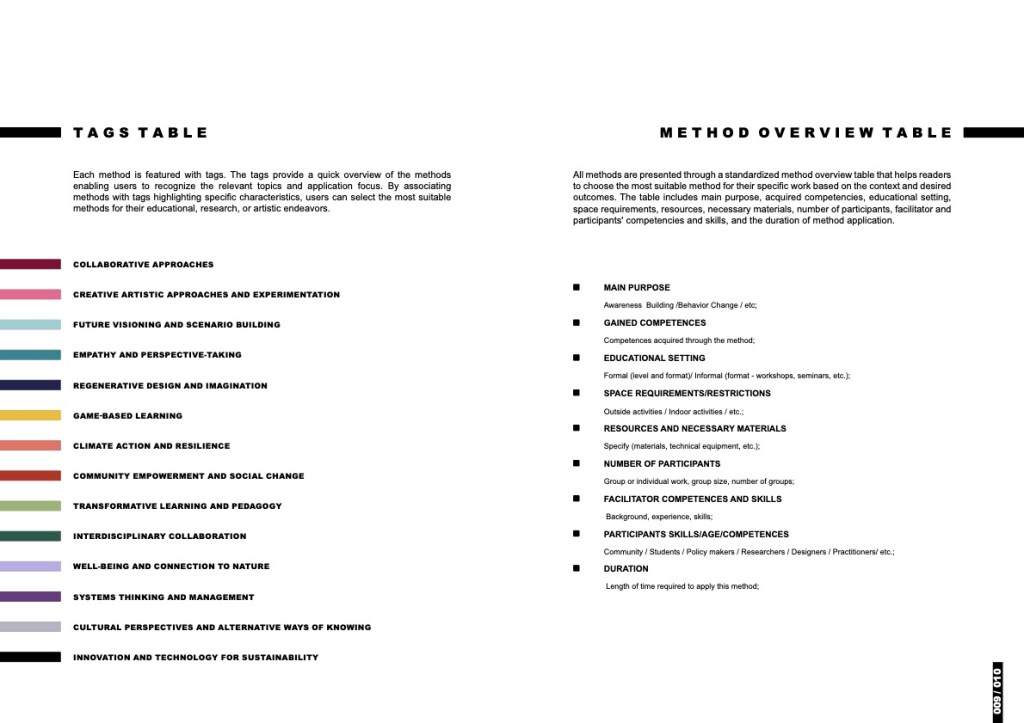
Designed with user-friendliness in mind, it facilitates navigating among different methods easily through tags and tables, supporting researchers and educators to identify suitable methods and tools for their specific context. It comprises a resource for researchers, educators, lecturers, community workers, and change-makers in the broadest sense, who wish to foster competencies in the areas of regenerative design, climate action, trans-formative research and sustainability education. 
The “Creative Methods Toolkit” is designed as a complementary resource to the Book “Imagining, Designing and Teaching Regenerative Futures – Experiences from around the world” (Bentz, J. & Ristic Trajkovic, J. (Eds.) forthcoming). It introduces a wide range of methods for educational purposes, related to community engagement, regenerative futures, wellbeing, innovation, and transformative learning. 
Art-Science Lab in Venice and a digital exhibition with catalogue

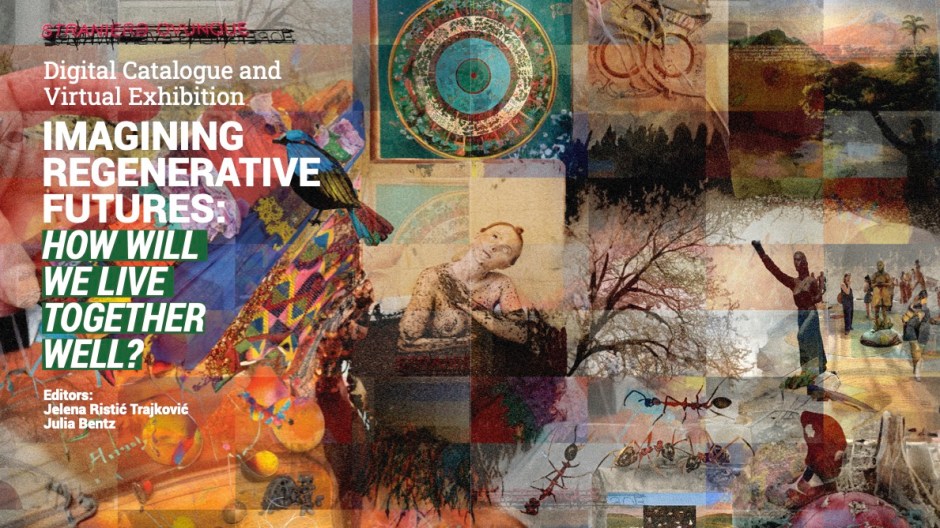
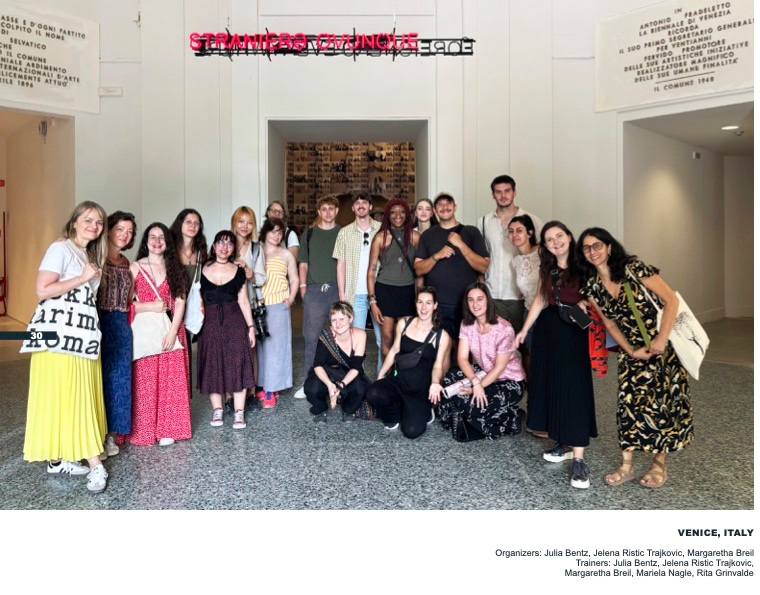
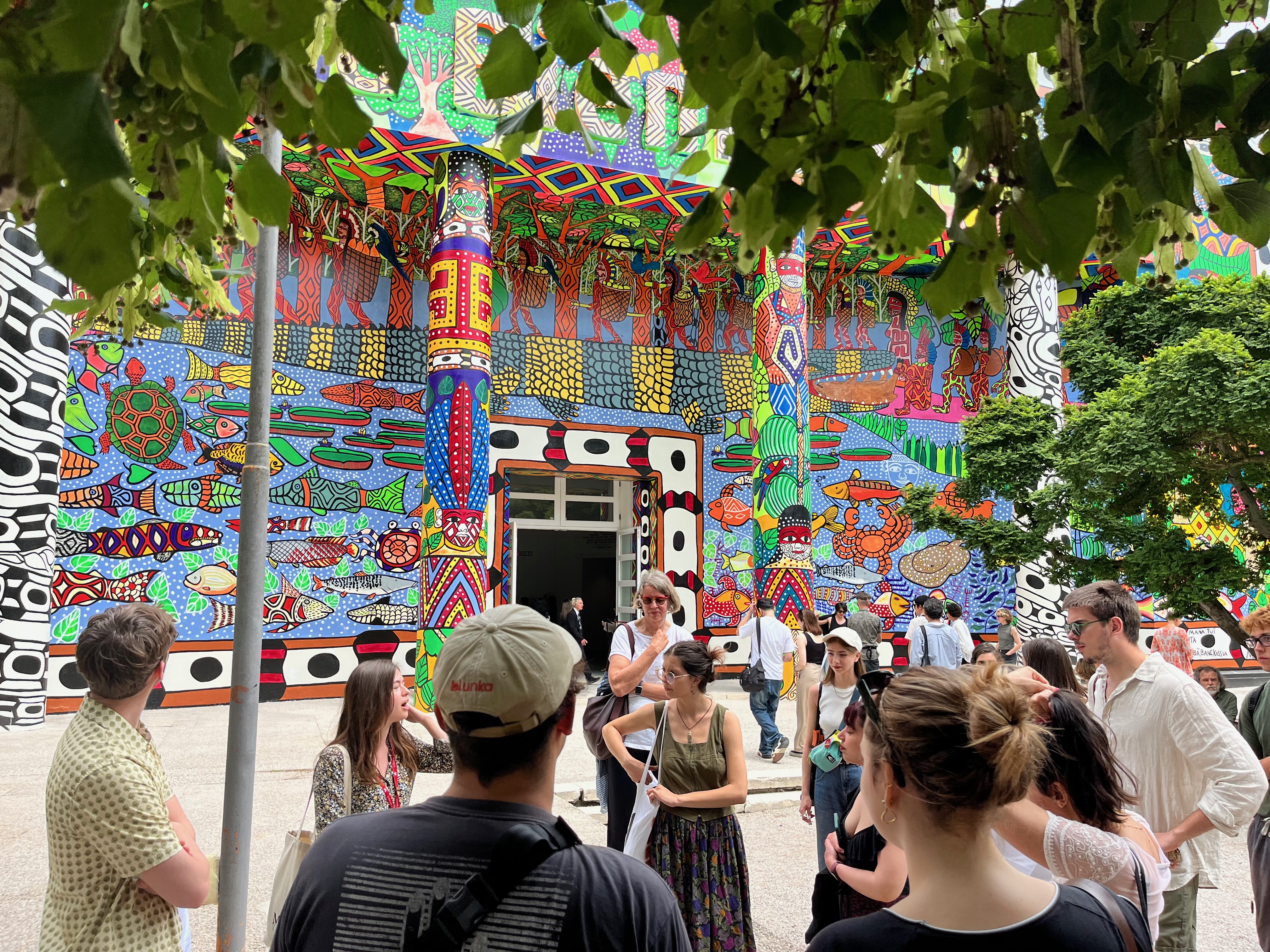
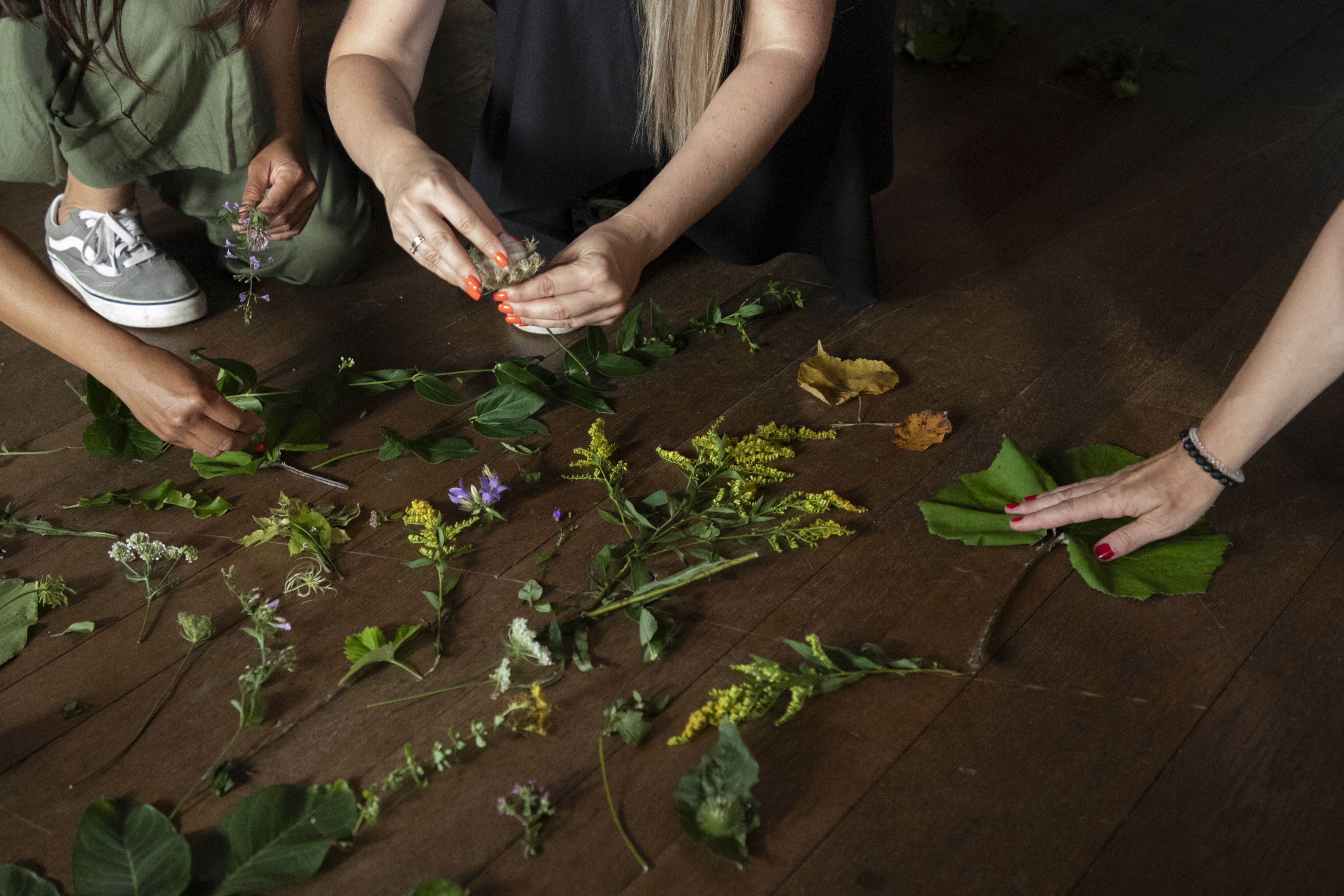
The art-science lab “(Re)imagining Regenerative Futures: How will we live together well?” invited early career researchers to share their imagination and interpretation of regenerative futures. Taking place on June 14 and 15, 2024, in Venice, Italy, it brought together young creatives and early career researchers from diverse backgrounds, demonstrating the transformative power of imagination and art to foster regeneration. 

Applications for the lab consisted in the submission of a photo and narrative illustrating creative responses to how we can (re)create our futures together. At the art-science lab participants engaged in interactive workshops connecting their creative works to universal values and co-creating a common narrative from the individual works. 

This process fostered a deep respect for multiple voices, allowing diverse perspectives to flourish and contribute to a richer, more multifaceted outcome. The Lab encouraged transcending disciplinary boundaries and adopting a holistic approach to building a regenerative future. 

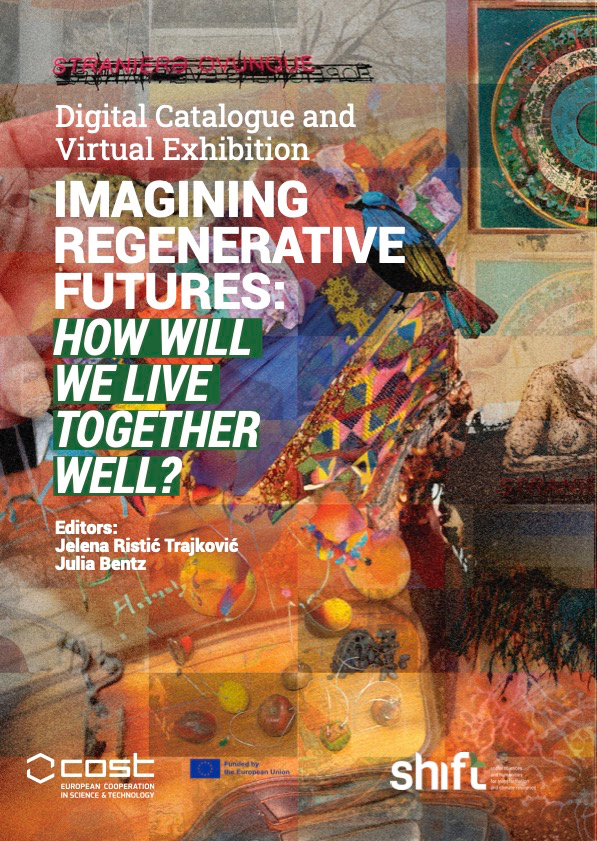
This publication features a digital catalogue and exhibition showcasing: 

• Shortlisted individual photographs and accompanying narratives, offering unique views from different parts of Europe and the world. 

• The collaborative artwork and activities resulting from the Lab’s interactive sessions. 

• The reflections from the Lab’s interactive sessions. 

Wisdom and Research Practice – A Living Lab

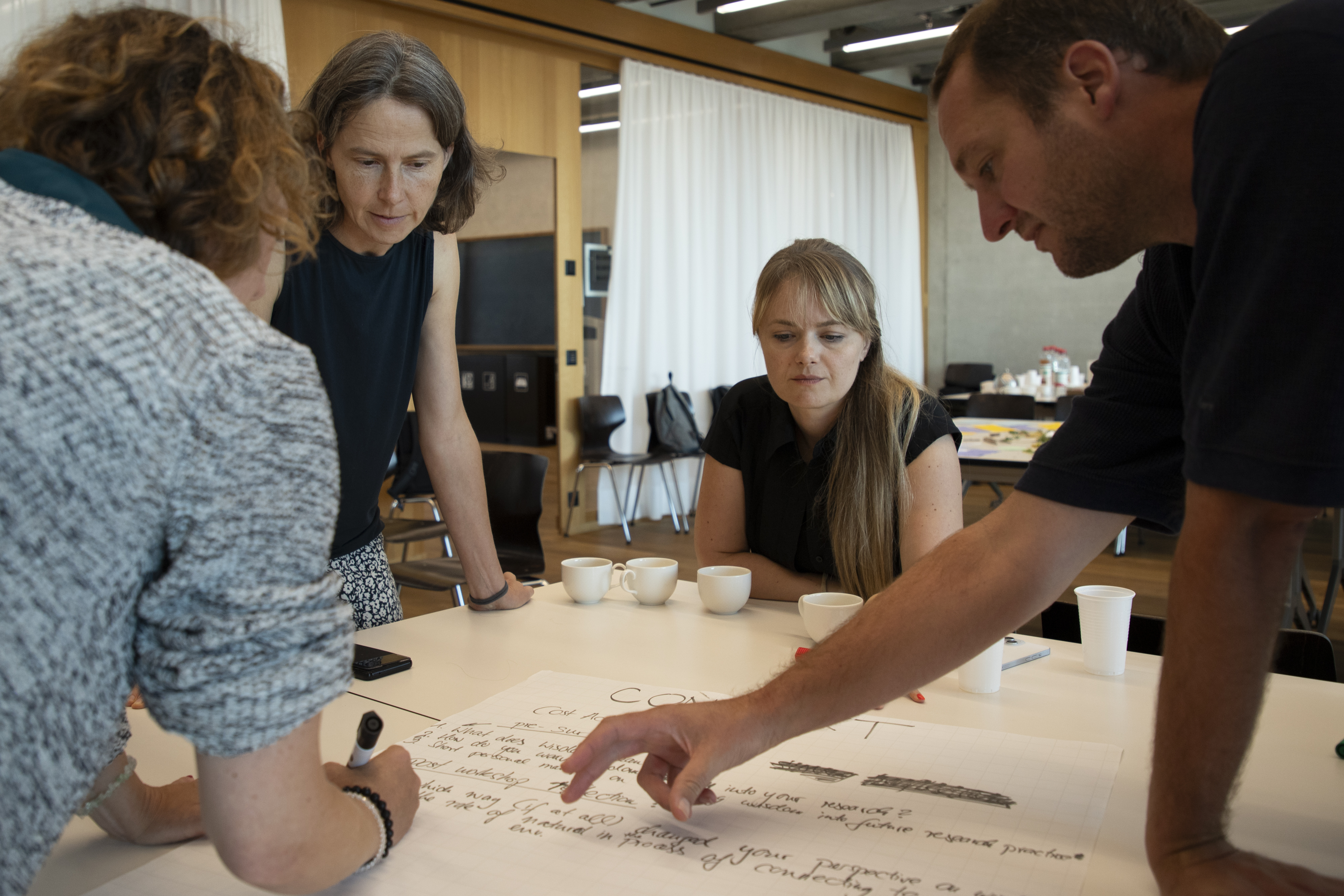
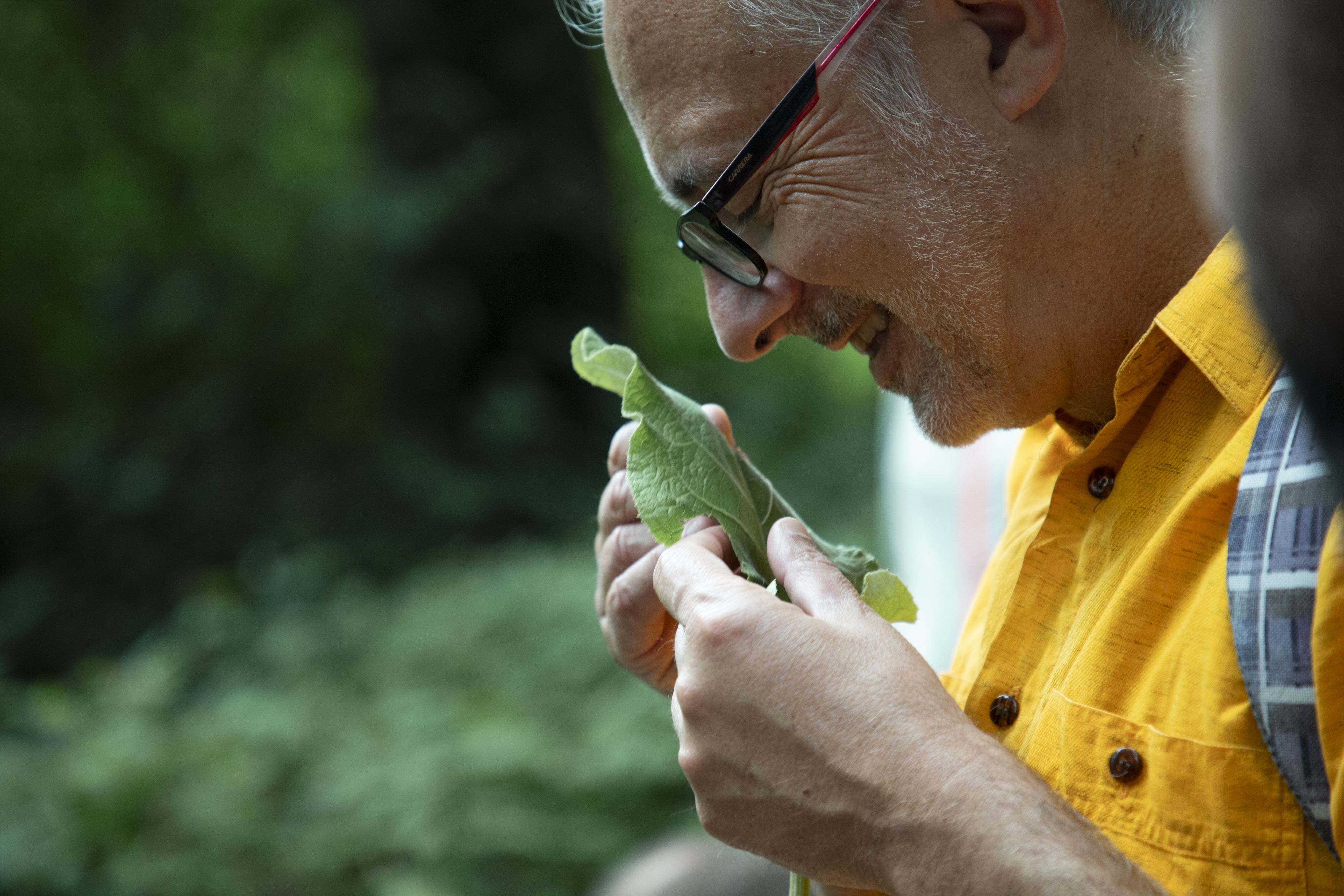
The living lab Wisdom and Research Practice invited mid- career and senior researchers who are weaving wisdom into their current research practices. It addressed the questions of how we can co-create holistic practices and ways of engaging with the complexities of current social-ecological challenges. It welcomed researchers from all disciplines that share the vision of a thriving and regenerative future through a holistic and transdisciplinary lens. While formal and explicit knowledge play a key active role in advancing current research, informal and alternative ways of knowing need to play an equally important role by nourishing and guiding research and actions towards a meaningful and regenerative future for all. Embracing them together, they become an interplay of active doing and receptive being. Informal and alternative ways of knowing imbue wisdom through observations, sensing, connecting, reflections, embodiment, creativity and imaginations. This way of being can help shaping and guiding the many diverse ways of doing in art, music, dance, communications, planning, governance, social work, design, architecture, engineering, biology, ecology, quantum physics, agriculture, technology. 

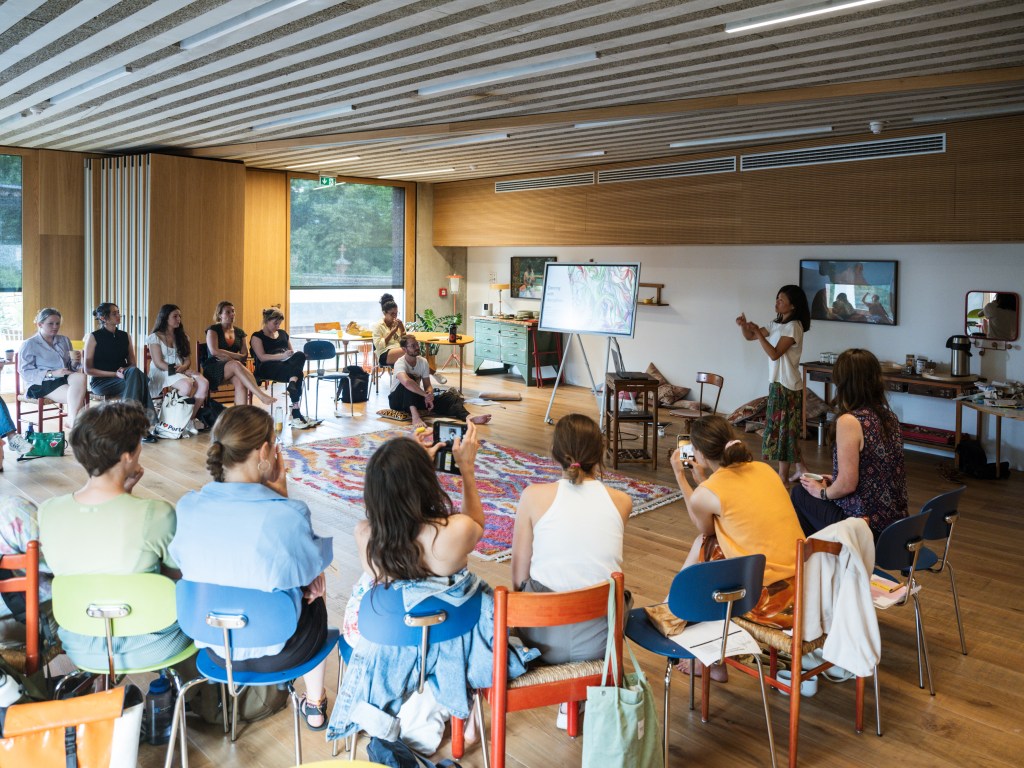
The living lab Wisdom and Research Practice took place on 26-27 August 2024 in Basel, Switzerland at the castle Burg Reichenstein and the University of Applied Sciences, Muttenz. Through interactive sessions, workshops and a field trip, this living lab aimed to integrate different perspectives on wisdom and (future) research practice by holding space for open sharing, mutual learning and creative approaches. 

Report and full program accessible here

photos: Mirella Frangella

New publication: Creative capacity building for early, mid-career and senior researchers

The expectations placed on sustainability researchers are very high. They are asked to deepen scientific knowledge while also fostering practical solutions and transformative change towards more regenerative ways of living. This dual responsibility can be very challenging given that the complexities associated with promoting sustained change on personal, political and systemic levels are difficult to address in most contexts. The field of sustainability transformation and regenerative futures is a quickly growing field in research and practice. It is evolving more and more into an inter and transdisciplinary field integrating many different disciplinary knowledges and other ways of knowing. Researchers are asked to collaborate across disciplines and lines of difference and bring together diverse parts of society to achieve shared understanding and collaborative action towards regeneration. Still, many institutions fail to provide continuous learning and training opportunities on transdisciplinary approaches and capacity building for researchers in the different career stages. Yet continuously developing one’s skills and competencies can be essential for academic success, personal growth, and a deep sense of meaning. 
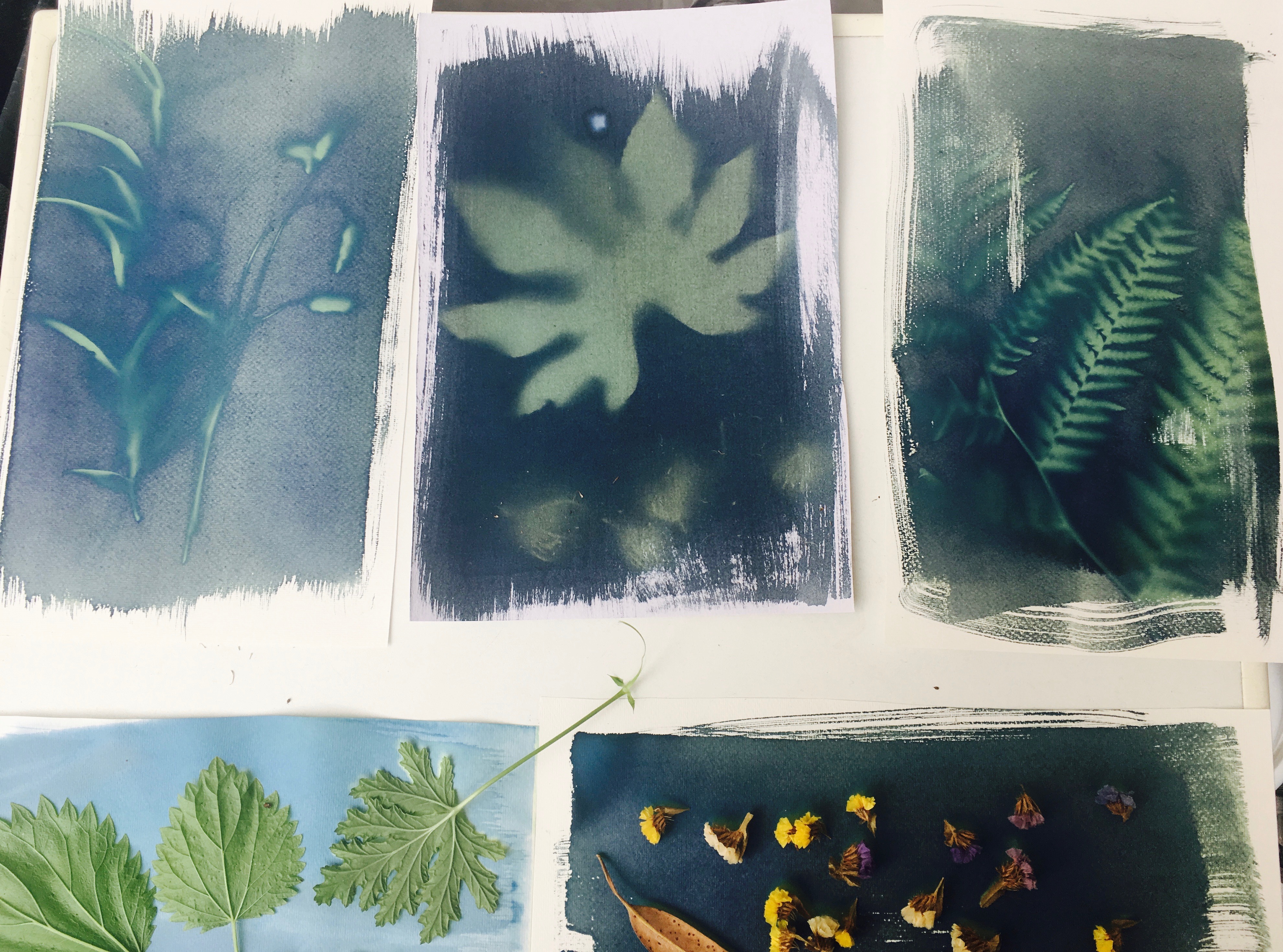
Capacity building in a changing world

Capacity building for researchers working in the fields of global social-environmental challenges, including sustainability and regeneration, needs to ac- knowledge the complexities of their research settings. It may involve providing a broad palette of competencies and inspirations. Apart from developing skills in research methodologies, technical tools, and communication, it also needs to in- volve innovative, creative, and interdisciplinary approaches that can inspire new perspectives and ideas to address such complex problems. In addition, such capacity building needs to be tailored to the specific needs, challenges, and goals that researchers have at different stages of their career. 

This publication features the capacity building activities developed and promoted by Working Group 3 of the shift Cost Action, in the first two years of the Action, 2023-2024

Open Access publication here

COST Action Shift – Social Sciences and Humanities for Transformation and Climate Resilience aims to deepen our under- standing of practices involved in ‘doing transformation’ and to explore the role of transdisciplinary Social Sciences and Humanities in these emerging and evolving spaces. It fosters creative, future-oriented and tangible solutions to address the challenge of accelerating change in an inclusive and responsible manner. SHiFT brings together researchers and practitioners from different disciplines creating spaces for transdisciplinary networks and research in order to harness the potential of engaging with transformation and regeneration across different social, political, economic and environmental contexts.

Working Group 3—Creative 09 Practices, Arts and Outreach is led by Julia Bentz and Jelena Ristić Trajković. This working group is dedicated to exploring the arts outside conventional parameters of communication and outreach through traditional exhibitions and displays, but as a generator for knowledge production, climate action, and regenerative change. 

Summer school “Urban Synergies: Co-creating thriving connections for humans with nature”

How can we live and thrive together?

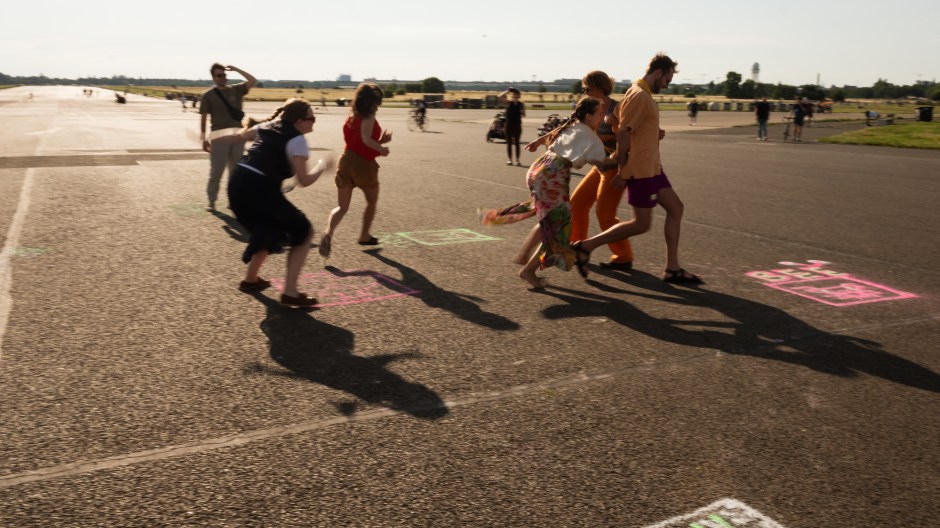
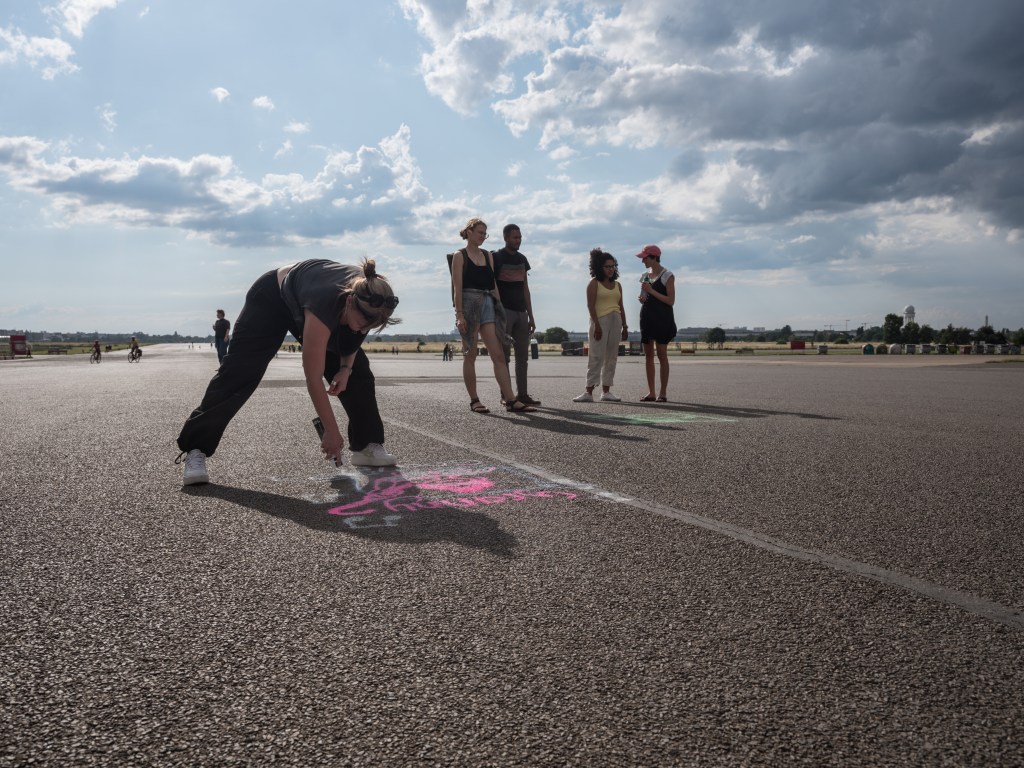
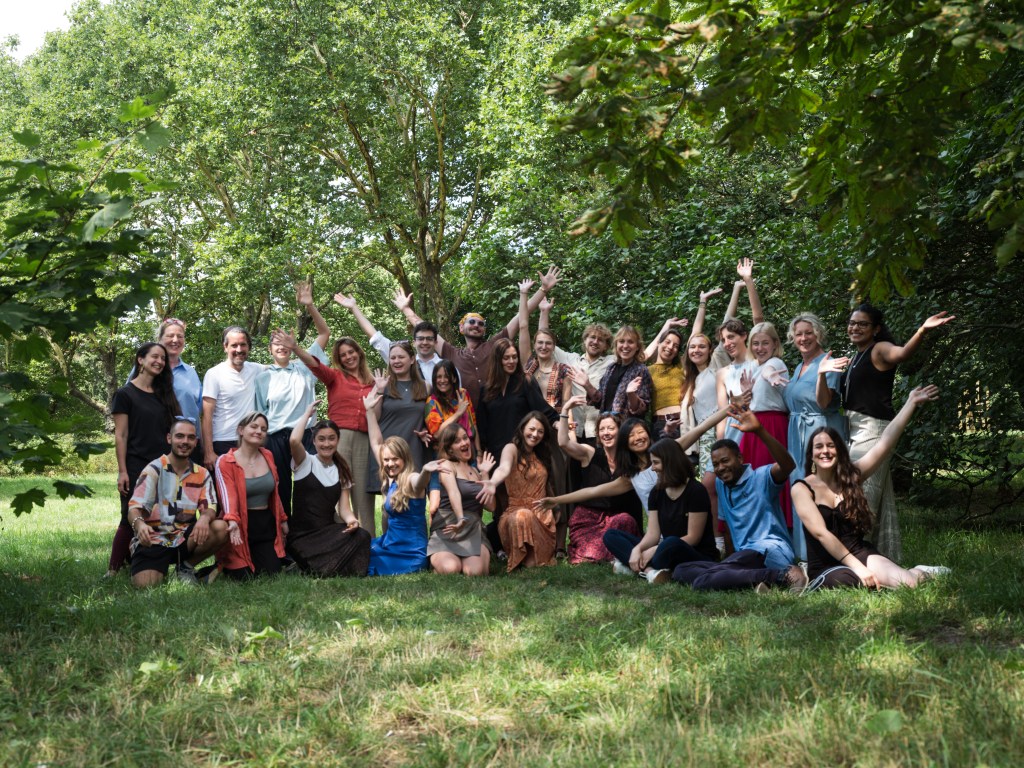
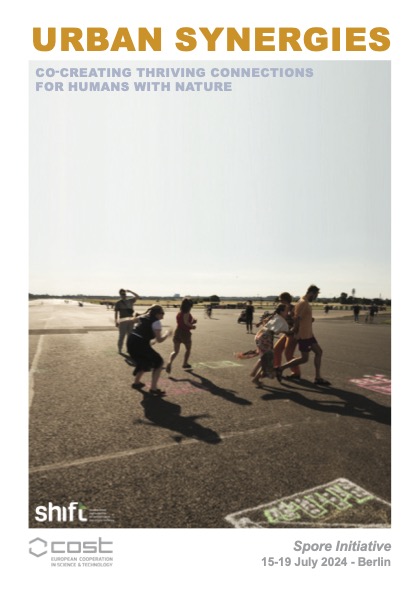
The summer school “Urban Synergies: Co-creating thriving connections for humans with nature” was a five-day event, taking place in Berlin 15-19 July 2024 involving young people from Europe and beyond. It centered around the challenging questions: How can we live and thrive together? How can we not only overcome polarities but nurture diversity and dignity for all? How can cities not only adapt to climate change but restore and regenerate relationships with nature, resources and with communities around us?

Cultural and technological transformations that define modern life have pulled us away from our fundamental connection with nature and each other in ways that are unhealthy for people and the planet. This is particularly true within cities, where urban alienation and disconnection from natural systems are especially pronounced. Today, more than half the world’s population lives in cities, and more than two-thirds will live in urban areas by 2050. As rapid urbanization and ecosystem dysfunction (e.g., climate change; biodiversity loss) accelerate, we ask, how can we begin to reimagine urban life in ways that restore our connections to one another, our communities, and to the natural systems within which we are embedded? Moreover, since cities are places of deep, visible, and longstanding material andsocial inequities, how can we envision urban futures in ways that recognize, address, and transcend historic injustices to build more just, equitable alternatives?

The chosen approach to the city was an evolving and potentially transformative journey. It involved creative, embodied, and transdisciplinary approaches to learning about current challenges and injustices, drawing new linkages, and to designing change. This summer school invited participants to reimagine conviviality and community-building in the city through a transdisciplinary lens.

The goal was to provide participants with theoretical and practical knowledge of transdisciplinarity, transformation and regeneration in urban spaces. The chosen approach integrated arts-based, design-driven and experiential learning practices with theoretical knowledge. The summer school offered a space to explore how to navigate between perceived polarities and seeming contradictions to create new, regenerative imaginaries of the future. Taking place in the vibrant neighborhood of Schillerkiez, Neukölln, the summer school provided participants with opportunities for experiential learning through field visits and creative experiments. The summer school was conceptualized as a transdisciplinary learning space. It offered a balanced program of lectures, interactive sessions and experiential field trips in Berlin provided by experienced and internationally renowned trainers and researchers.

Access Report with Full Programm here

The summer school was an activity of the Cost Action SHIFT which studies the contribution of the Social Sciences, Humanities and the Arts to sustainability transformations and climate resilience. Organized by the Working Group 3, this summer school explored the potential of transdisciplinary, art- science approaches in addressing the complexities in urban spaces, drawing new linkages and designing connections that shape regenerative and thriving urban environments. Moving beyond disciplinary approaches to environmental challenges, this summer school integrated holistic, transdisciplinary approaches and created spaces for imagining and co-creating just, livable, healthy futures that foster a sense of belonging and kinship.

Organisers and facilitators: Julia Bentz, Kiat Ng, Jelena Ristic Trajkovic

Photos: Mirella Frangella

Urban Imaginary – A transdisciplinary summer school exploring our urban futures

Have you ever wondered how cities will adapt to climate change and related challenges? Do your imaginings take a dystopian or utopian view? How do you imagine a city that you would LOVE to live in?  

Cities are tapestries of culture, science, art, history, diversity and innovation. At the same time, cities are hotspots of resource consumption, air pollution and greenhouse gas emissions. Yet, cities often are pioneers of more sustainable and equitable ways of living, while addressing air pollution, waste, mobility, housing and climate in a far more effective way than countries or provinces. For the world to thrive, cities are likely to be drivers of change towards regenerative living and being. They were once the birth of civilization. How can they be testing grounds for innovating and reimagining the urban space? What might a regenerative city look like and feel like? How do we harness the creative potential of cities to achieve regenerative futures for our planet?  

Starting in January 2023 I led the conceptualisation and organisation of a transdisciplinary summer school on urban futures. The core idea was to invite participants to reflect, explore and reimagine the city through different lenses.

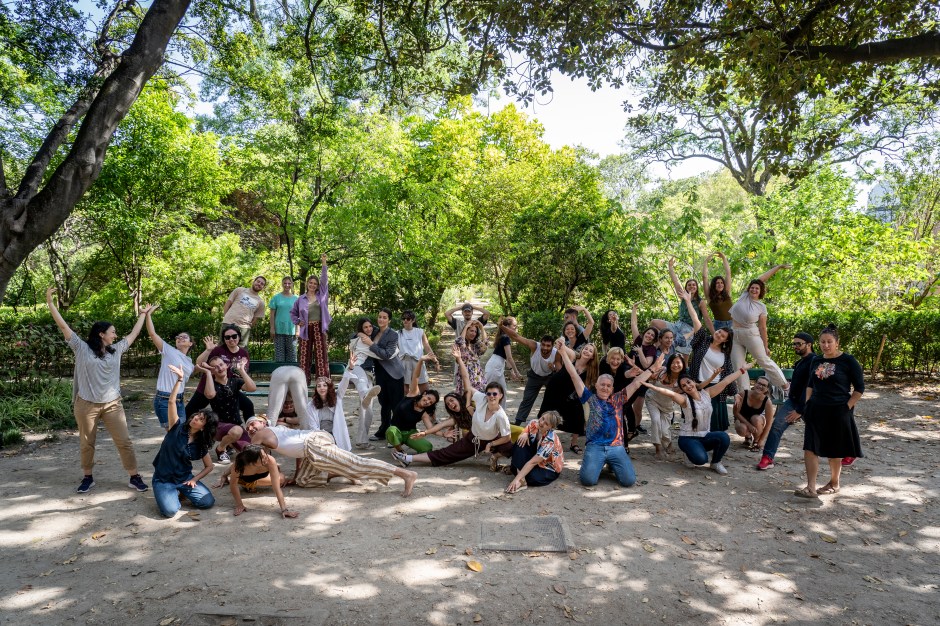
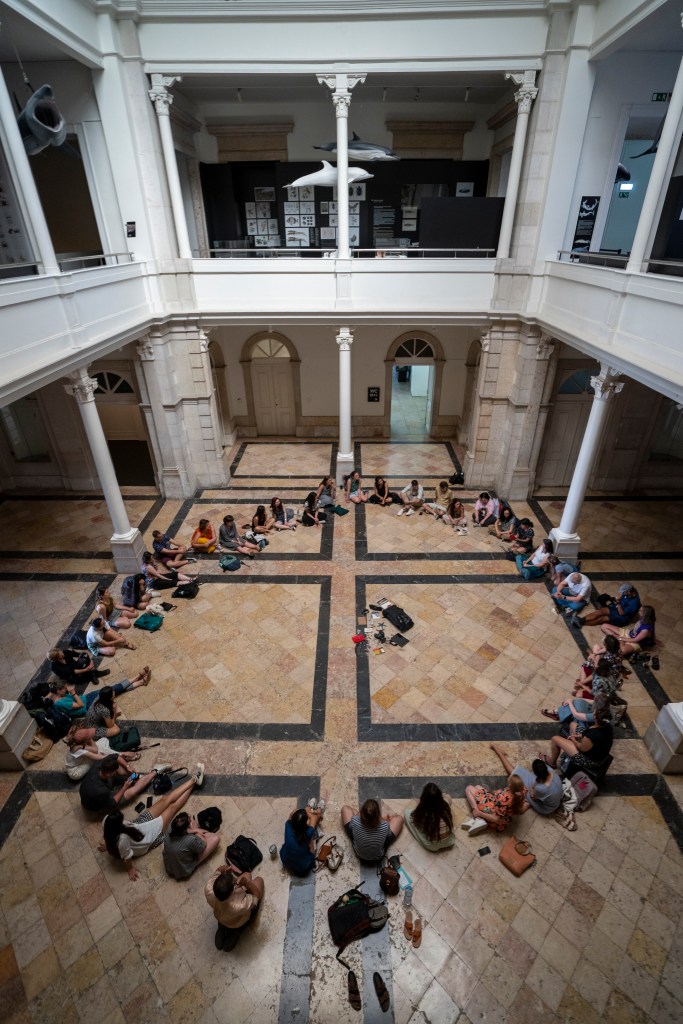
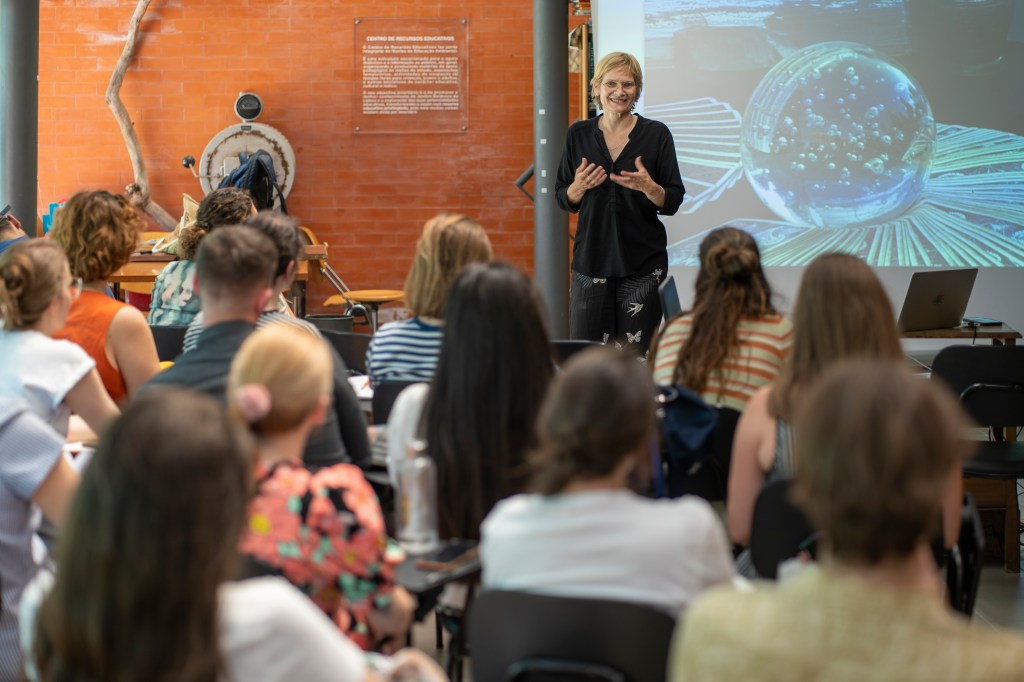
The International summer school “Urban Imaginary – Exploring our urban futures”, hosted under COST action SHiFT – Social Sciences and Humanities for Transformation and Climate Resilience, was a 5-day course that took place in the National Museum of Science and Natural History and the Botanical Garden of Lisbon, Portugal, 3-7 July 2023. The summer school was conceptualized as a learning space that engaged cognitive and embodied knowledge and that nurtured both body and mind in a simultaneous and synergistic way. With a total of 48 trainers and participants of diverse disciplinary backgrounds coming from 20 countries (Europe and elsewhere), the summer school applied a transdisciplinary approach that allowed the trainers and participants to navigate between the many polarities, contradictions, and challenges around life in cities and to explore new, regenerative imaginaries of the future.

The summer school involved theoretical lectures, interactive sessions, and guided tours and integrated embodied and experiential learning sessions throughout the course. The lectures, as well as the embodied parts of the program, were following and informing the overall theme of URBAN IMAGINARIES with the aim to offer alternative perspectives and inspire participants. The chosen transdisciplinary art-science approach aimed to provide learners with a felt experience and conceptual understanding of transdisciplinarity and how to explore a real-world problem through a holistic approach.

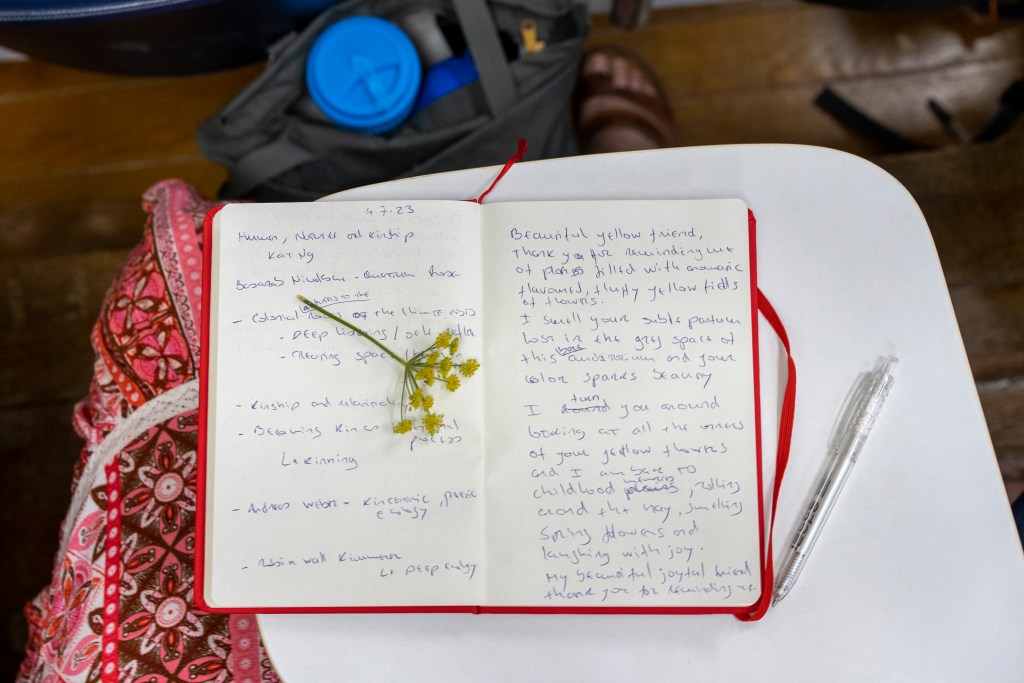
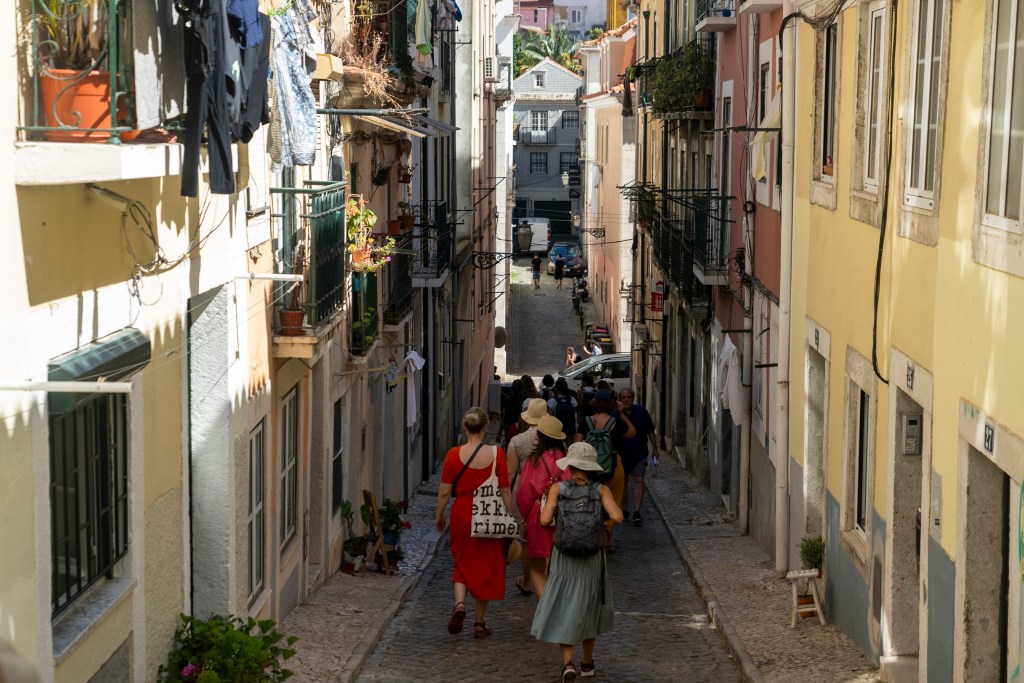
The summer school program involved creative exploratory methods such as futures thinking and emerging concepts, including kinship with the non-human world and nature-based solutions. It provided spaces to learn and explore urban futures through the senses as the senses offer a way to tap into embodied knowledge. To ground imaginations in spatial reality as well as bring forth practical future visions, time travelers were guided through Lisbon city focusing on auditory, visual, or taste and smell senses. 

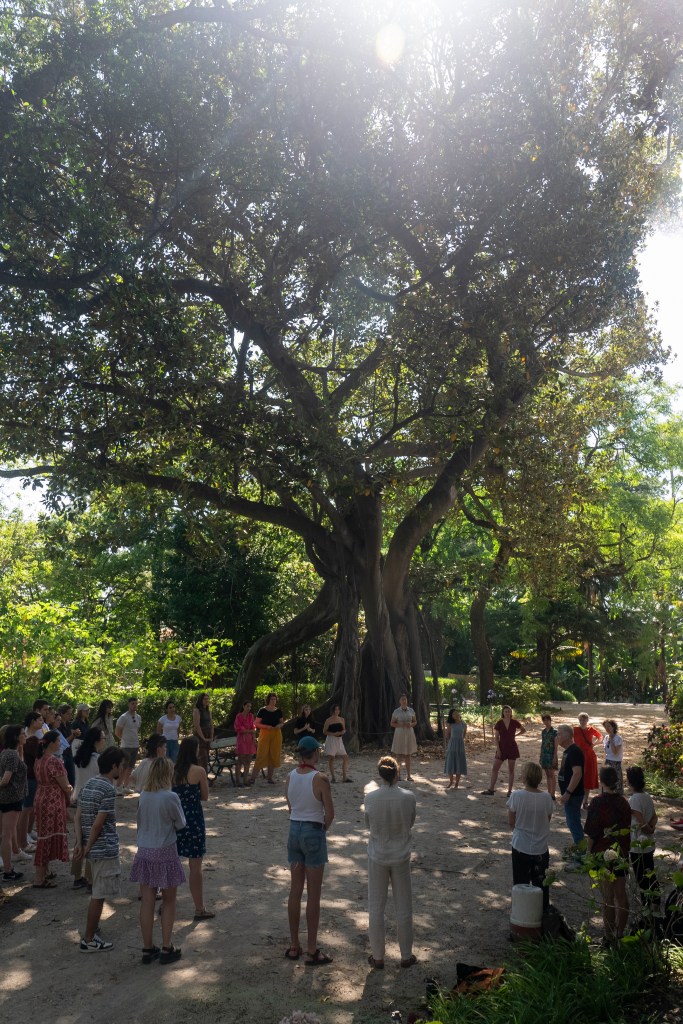
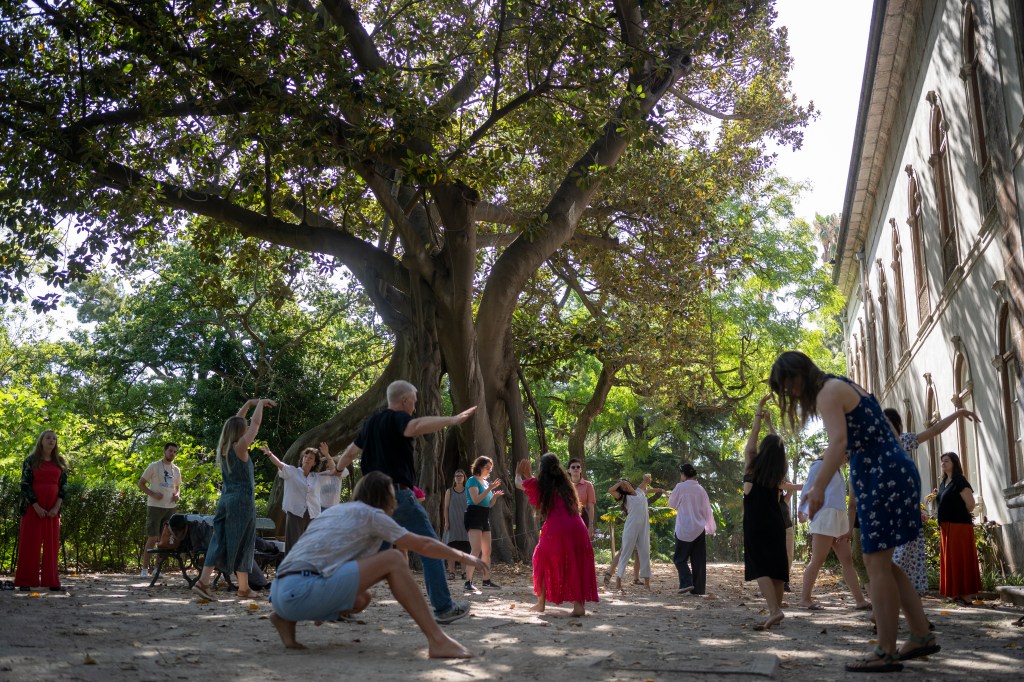
To tap into embodied knowledge and body wisdom, every morning, the course started with an embodiment session in the Botanical Garden. Participants were invited to engage in movement exercises informed by Interplay, a play-based, dance-based movement practice. Beginning with exercises, such as walking, stopping, and running, becoming aware of the space around oneself, each day the movement exercises became more complex. A hand dance and individual movements grew into a group dance on behalf of a poem. With each day participants became more expressive in their movements, in tune and connected with other participants and the natural elements, seemingly moving more and more together as a whole.

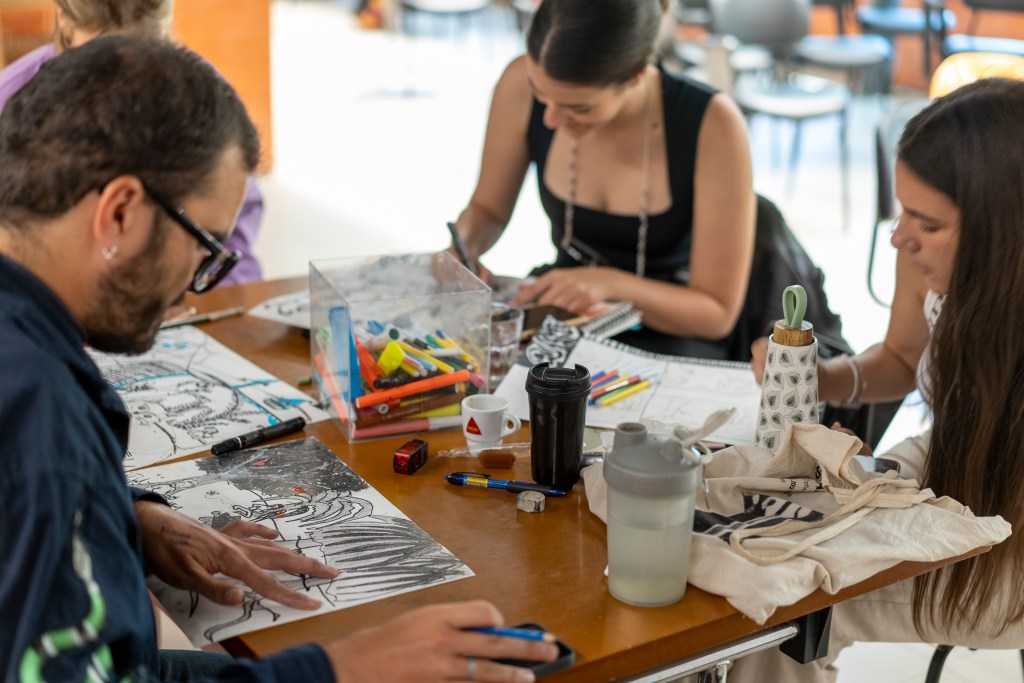
On the last day, participants presented their regenerative urban design proposals for different locations in Lisbon in groups. The presentations involved performances, storytelling, poems, design approaches and visual art and centered around the principles and values of kincentric futures, wellbeing, care, community, utopias, transformation and heritage. Coming from very diverse backgrounds in terms of disciplines and geographical background the participants had brought different forms of knowledge and experience to their working groups.

Julia Bentz

Photos by Bram Goots

Open access book published!

This book shows how creative methods involving stories and art can help educators to address the challenging topics of climate change and peace via new channels that inspire their learners and underline the role of each individual, with their specific talents and worldviews, in engaging with the crucial questions of this generation. Where climate change and human conflict meet, there is a particular potential for approaches beyond language and traditional classroom methods to offer students new channels of engagement. This book explains the reasons behind this and offers examples of such new channels in an inspirational resource for educators.

Free download here

This book has been a project very close to my heart that has given me great joy during the development and writing process. It is a guide for educators and everyone who wants to learn more about creative approaches to climate change and peace education. It is a hopeful book, cultivating the kind of learning that can prepare us to be hopeful climate and social justice educators and activists

This book is the result of collective efforts. I want to acknowledge the work of the the editors Marte Skaara and Wendy Anne Kopisch; the storytellers Janna Articus, Michael Chew, Burcu Eke Schneider, Dimitrios Gkotzos, Marina Kalashyan, Anna Malavisi, Munir Moosa Sadruddin, Aditi Pathak and Stefanie Vochatzer; the artists Anirudh Kadav, Burcu Koleli, Carolina Altavilla, Luise Hesse, Hazim Asif, Neethi and Harutyun Tamaghyan; and the graphic designer Stefanie Bendfeldt. Thank you all so much for a lovely collaboration 

Cyanotype and storytelling

Workshop

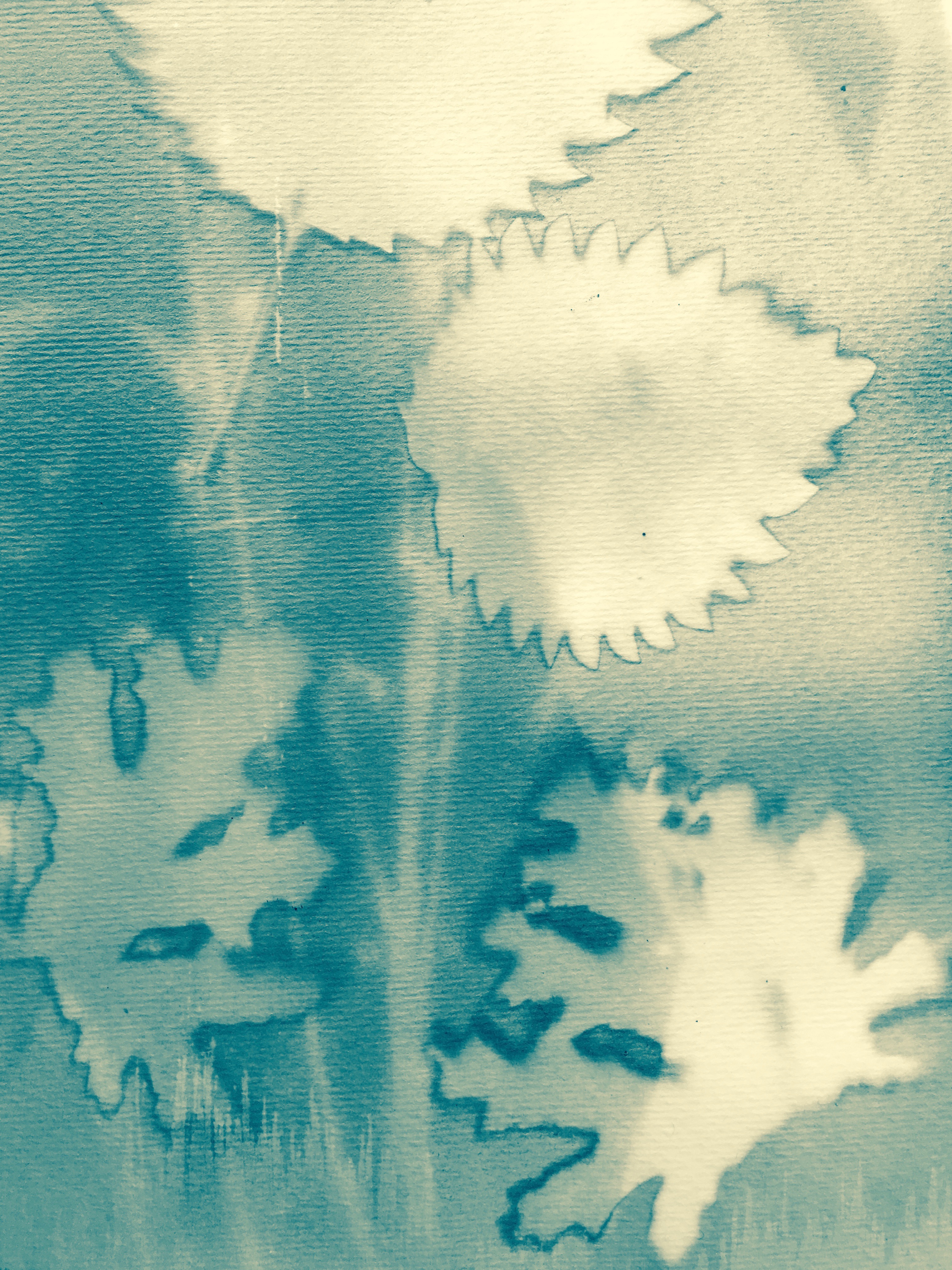
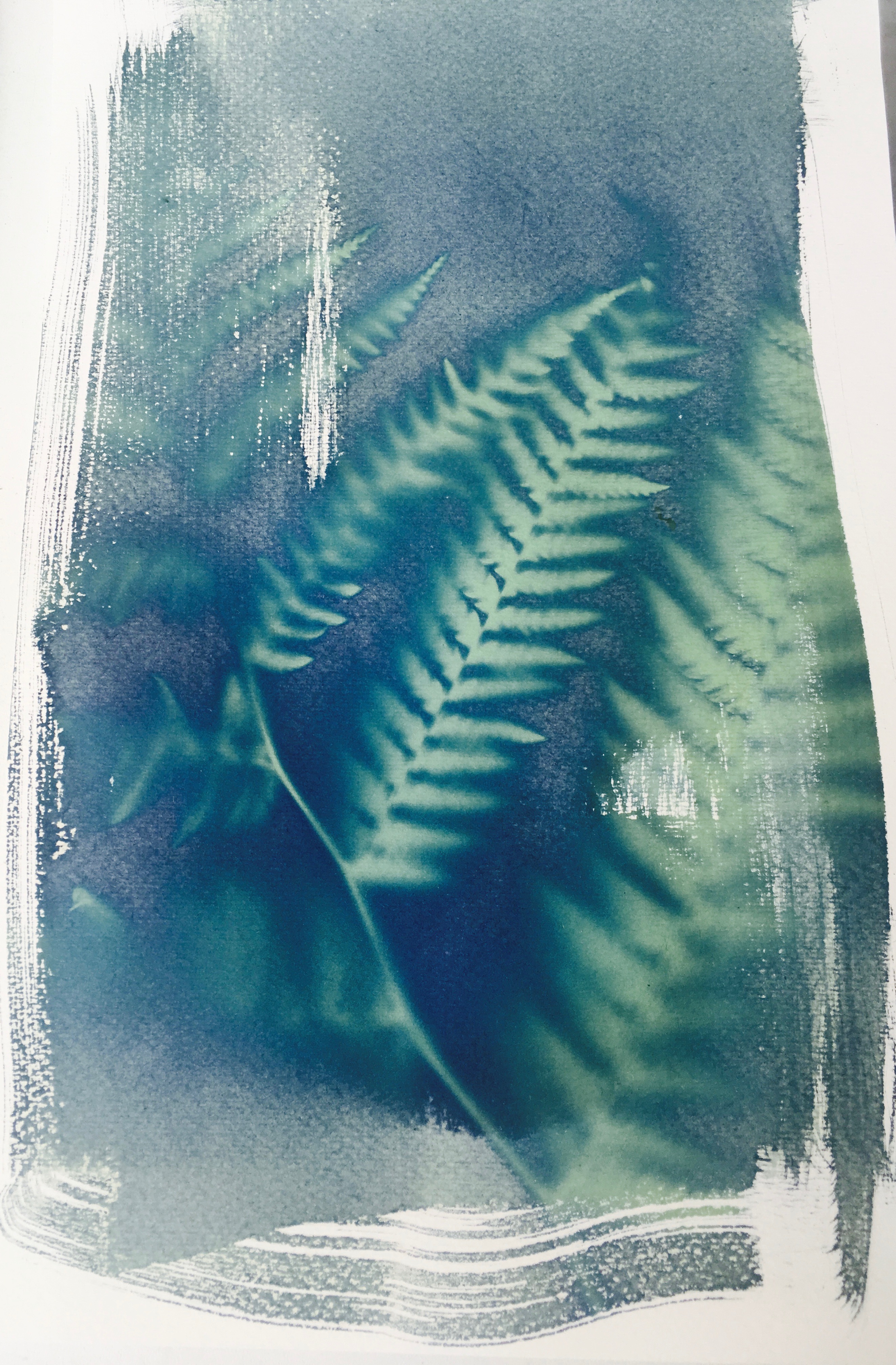
In this workshop, participants create an image/story for an imaginary museum of sustainability. The image/story creation involves creative writing and cyanotype photographic printing.
IMG_5990

This workshop explores the transformative potential of art through challenging current thinking on climate change and presenting new ways of approaching it. Participants embark on an imaginary journey to the future and use creative-artistic practices to develop alternative narratives (image/story) and share insights. Participants learn in a playful way about the topic of climate change as well as about the of artistic practices. Creative writing techniques and cyanotype printing elicit the image/story.

IMG_5997

Cyanotype is a simple photographic printing process that produces a cyan-blue prints. Discovered in 1842 by the English scientist and astronomer Sir John Herschel, it was used for reproducing notes and diagrams, and for documenting plant life. In this workshop we use cyanotype prints to illustrate core values and messages for present generations imagined and gathered and on a journey to the future.

Make a difference by singing

We are living in times of complex and global challenges, such as environmental degradation, conflicts, migrations of millions of refugees or climate change. Addressing these complexities requires new ways of thinking, creating and acting.
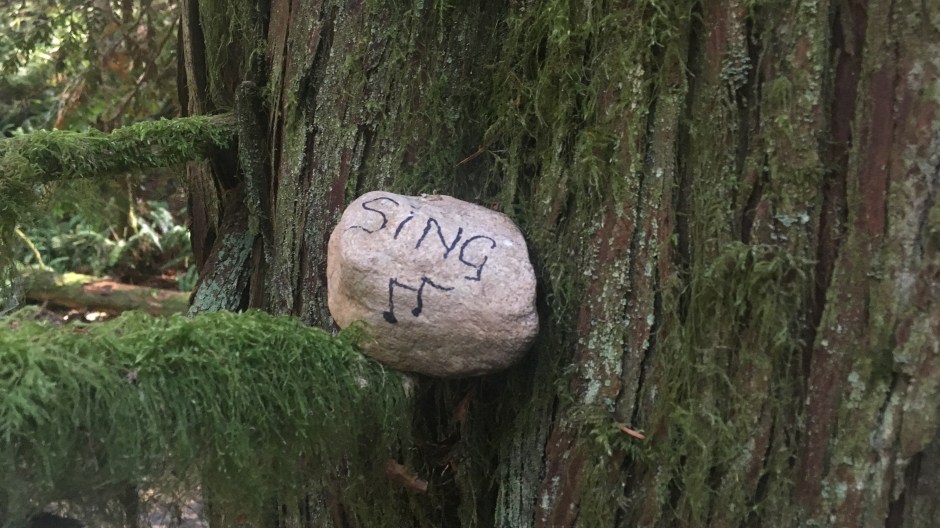
Music is a universal language and a powerful form of expression. Music affects us on a level beyond the rational, touching on emotions, perspectives and values. Singing in a group creates a sense of community and contributes to physical, emotional and spiritual well-being. But above all singing is a birthright and everyone knows how to sing
Ubuntu Choirs

Ubuntu, a Zulu word means “I am because we are”. This concept calls for empathy for others, creating community and valuing diversity. Ubuntu means that our potential is reached in relationships with others.
Ubuntu choirs are inclusive (open to everyone), do not audition (all voices are welcome, under the right conditions everyone can sing in tune and in harmony) are focused on creating community (rather than focused on concert acting ) and get involved in social projects (e.g. through fundraising).

Between November 2018 and February 2020 I offered a free weekly Ubuntu choir in Penha de Fraça, Lisbon.

Below is a video of an ad-hoc choir that I taught this Hawaiian earth blessing song called “E malama” by Bryan Kessler, harmonized by Nickomo.

Nature speaks – creative writing lab

When dealing with socio-ecological problems such as climate change, people typically address it exclusively from a human-centric perspective, prioritizing anthropocentric values, needs and visions. Learning to appreciate non-human perspectives, however, is crucial for socio-ecological harmony.

Inspired by project SUSPLACE´s Toolkit for arts-based methods, we used a creative writing exercise in a storytelling workshop to helps us to see more-than-human viewpoints by asking participants to embody the perspectives of specific beings and natural entities, such as animals, plants, rivers, forests, or mountains.

20181126_suii_storytelling_climate_resilience_img_2150.jpg

Photo by Catriona Forrest. Storytelling Workshop, Glasgow, 25 Nov. 2018