Creative Methods Toolkit published!

Creative Methods Toolkit For Imagining, Designing and Teaching Regenerative Futures

Imagining, designing and teaching regenerative futures is challenging. Educators often lack approaches that allow them to address the complexities of global challenges through new narratives, which make space for the imagination of desirable futures. Commonly in education, we retell the story of an apocalyptic future when speaking about global challenges such as biodiversity degradation and climate change. This narrative, which focuses on the risks and dangers of global environmental change, is built on the assumption that the induced fear might lead to action. 

This toolkit introduces a broad variety of creative and arts-based methods for regeneration and transformation that can be used in various educational settings. It harnesses the power of creative and arts-based practices, which are increasingly seen as a means of expanding future imaginaries and supporting the development of new scenarios of transformative change. 

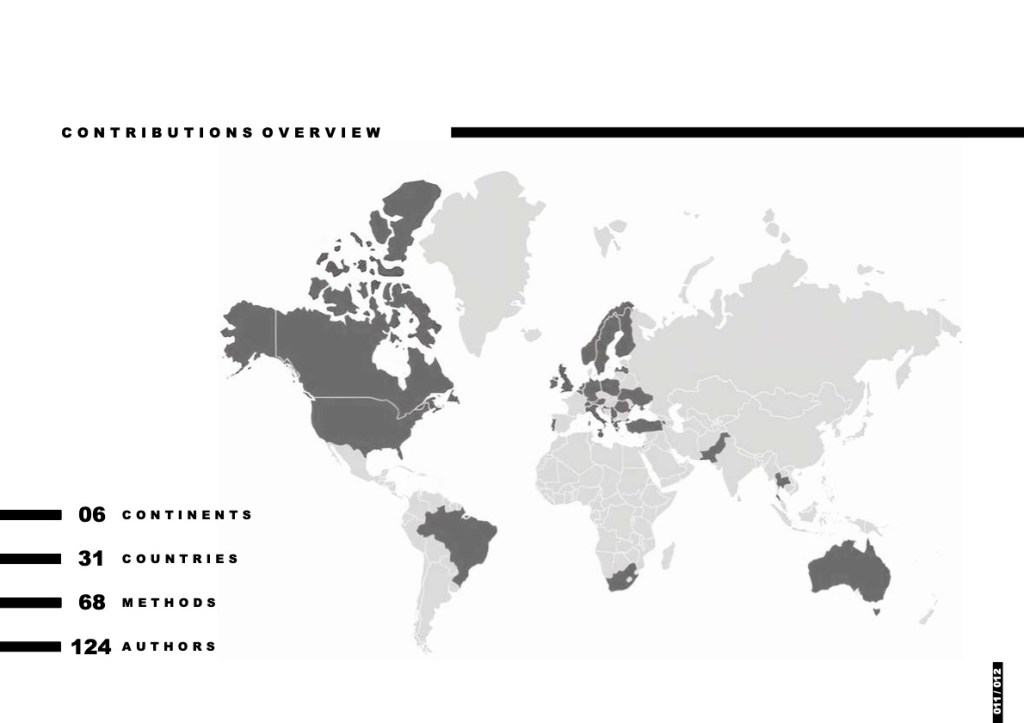
The toolkit was developed within the COST Action SHiFT – Social Sciences and Humanities for social transformation and climate change as an initiative of Working Group 3: Creative Practices and Outreach. It comprises a selection of 68 creative methods brought together in a collaborative effort by 124 authors from 31 countries and 6 continents. Its intention is to comprise a valuable resource for educators, teachers, lecturers, community workers, and change-makers who are aiming to empower their learners while providing competencies in regenerative design, climate action, futures thinking, human-nature connection, wellbeing and community engagement. 
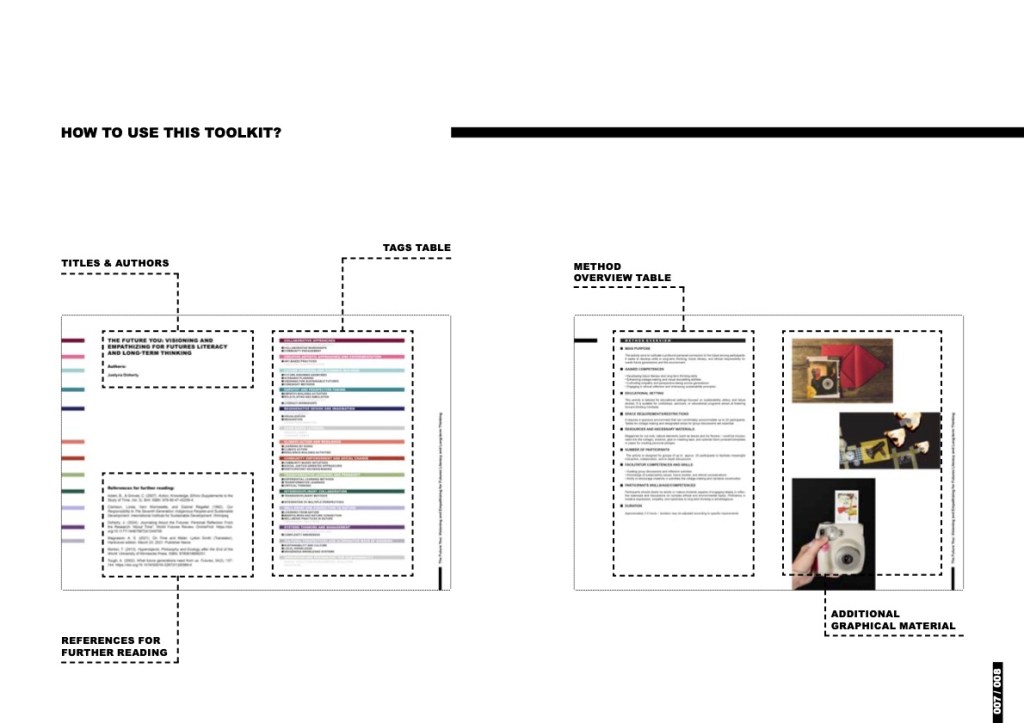
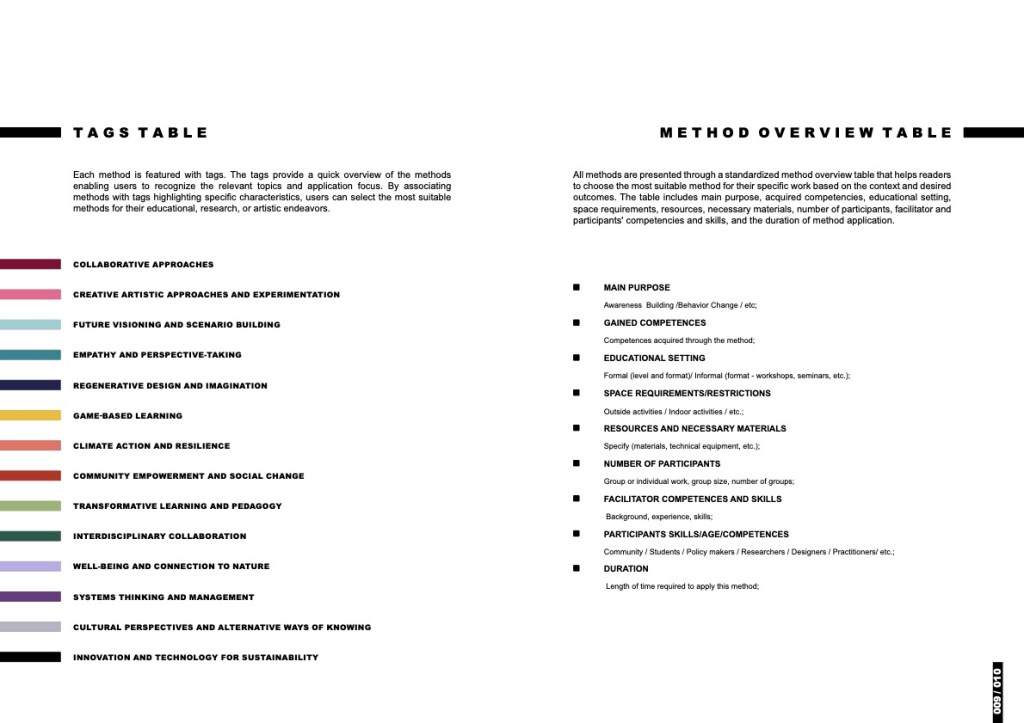
Designed with user-friendliness in mind, it facilitates navigating among different methods easily through tags and tables, supporting researchers and educators to identify suitable methods and tools for their specific context. It comprises a resource for researchers, educators, lecturers, community workers, and change-makers in the broadest sense, who wish to foster competencies in the areas of regenerative design, climate action, trans-formative research and sustainability education. 
The “Creative Methods Toolkit” is designed as a complementary resource to the Book “Imagining, Designing and Teaching Regenerative Futures – Experiences from around the world” (Bentz, J. & Ristic Trajkovic, J. (Eds.) forthcoming). It introduces a wide range of methods for educational purposes, related to community engagement, regenerative futures, wellbeing, innovation, and transformative learning. 
Art-Science Lab in Venice and a digital exhibition with catalogue

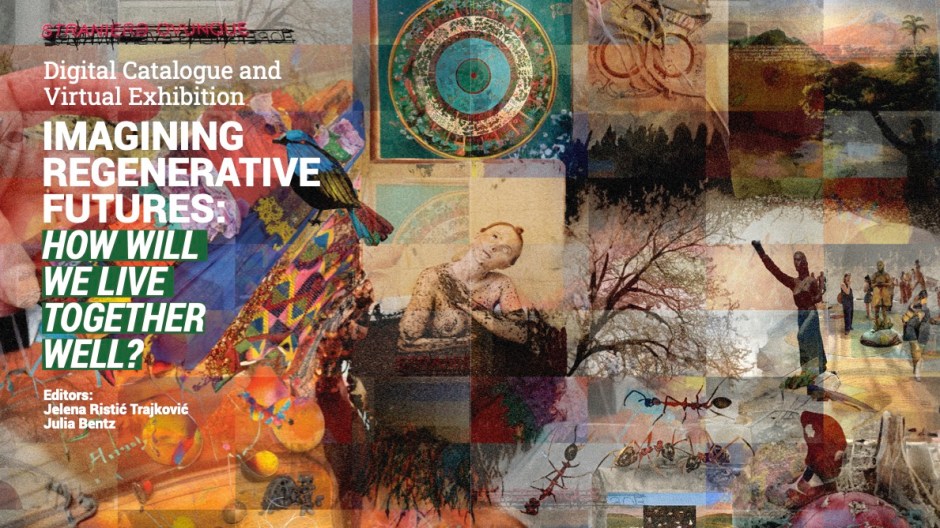
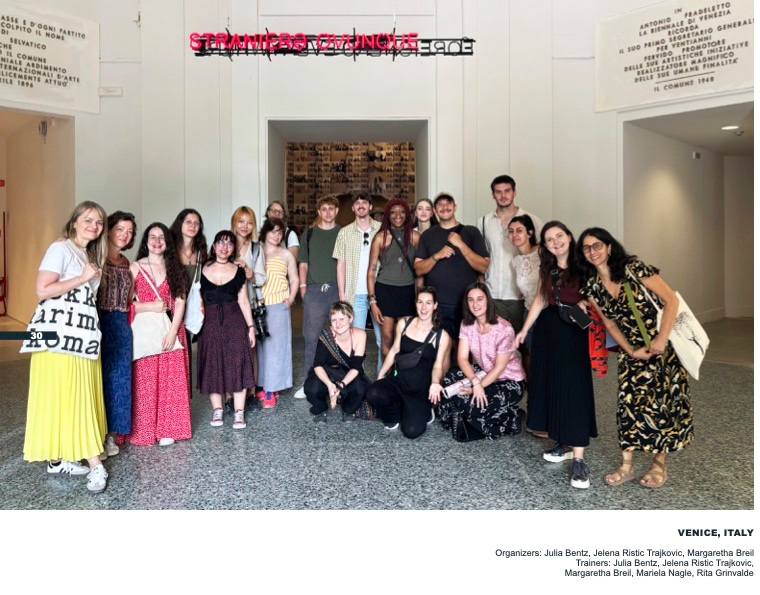
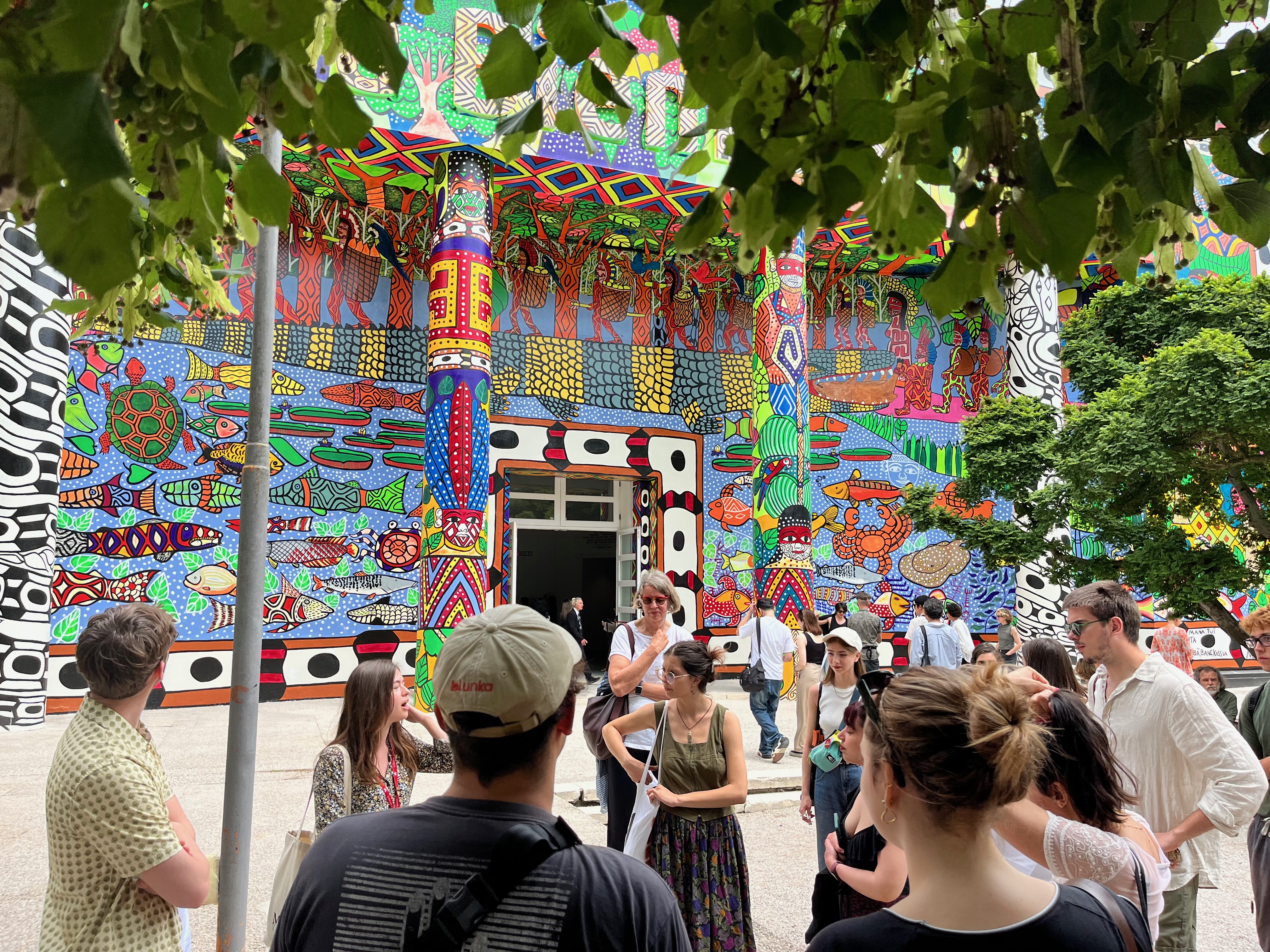
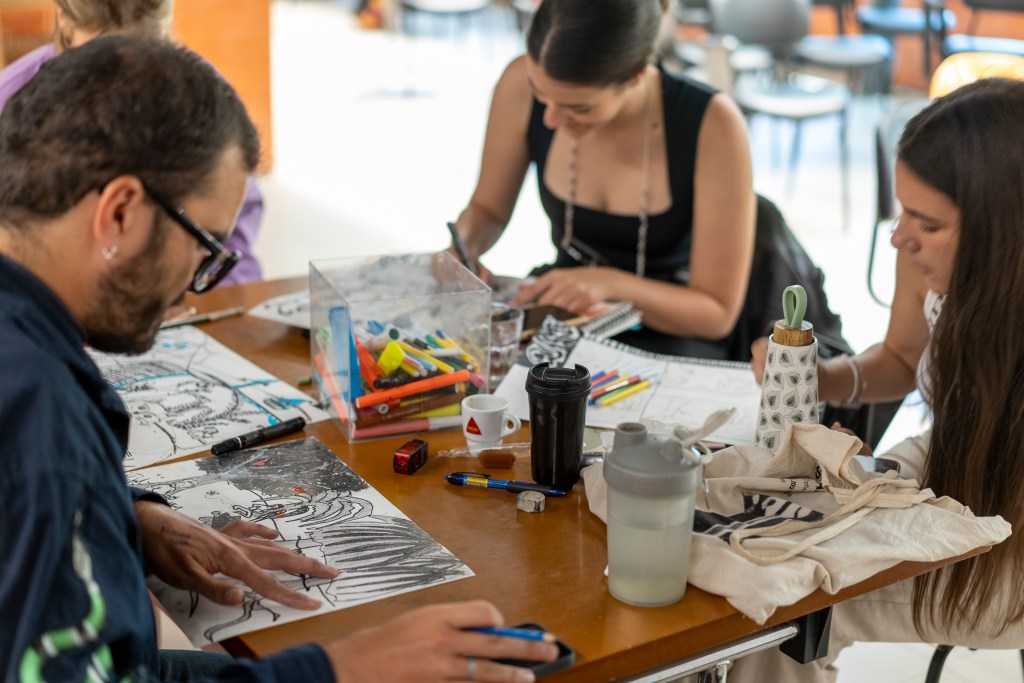
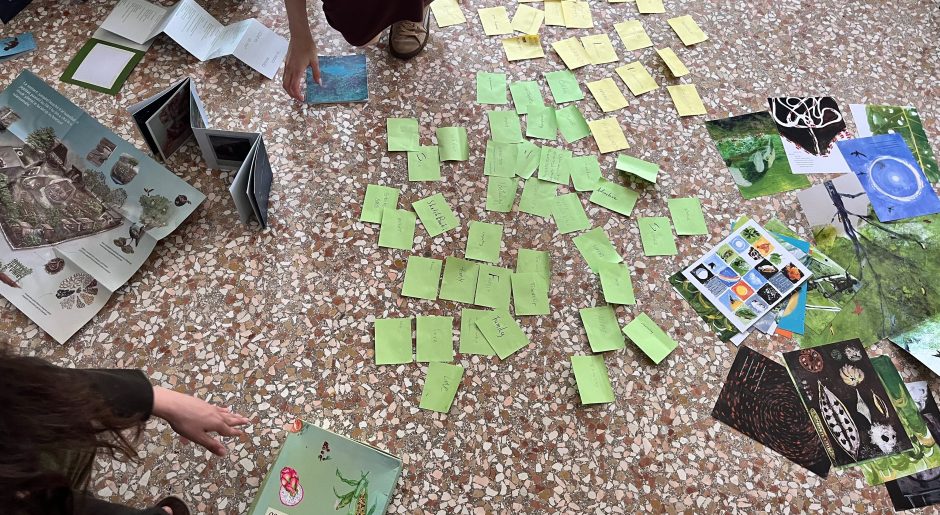
The art-science lab “(Re)imagining Regenerative Futures: How will we live together well?” invited early career researchers to share their imagination and interpretation of regenerative futures. Taking place on June 14 and 15, 2024, in Venice, Italy, it brought together young creatives and early career researchers from diverse backgrounds, demonstrating the transformative power of imagination and art to foster regeneration. 

Applications for the lab consisted in the submission of a photo and narrative illustrating creative responses to how we can (re)create our futures together. At the art-science lab participants engaged in interactive workshops connecting their creative works to universal values and co-creating a common narrative from the individual works. 

This process fostered a deep respect for multiple voices, allowing diverse perspectives to flourish and contribute to a richer, more multifaceted outcome. The Lab encouraged transcending disciplinary boundaries and adopting a holistic approach to building a regenerative future. 

This publication features a digital catalogue and exhibition showcasing: 

• Shortlisted individual photographs and accompanying narratives, offering unique views from different parts of Europe and the world. 

• The collaborative artwork and activities resulting from the Lab’s interactive sessions. 

• The reflections from the Lab’s interactive sessions. 

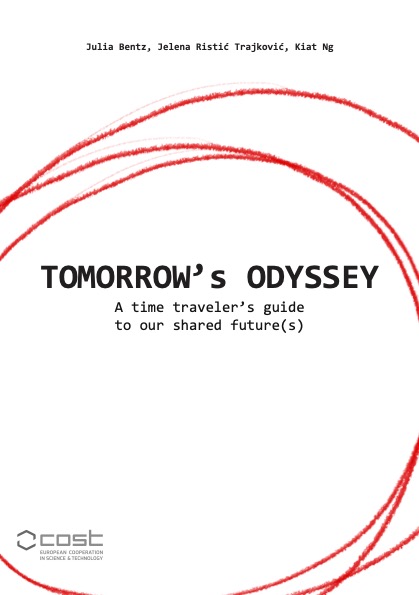
Collaborative book published: Tomorrow’s Odyssey – a time traveller’s guide to our shared futures

Have you ever wondered how cities will adapt to climate change and related challenges? Do your imaginings take a dystopian or utopian view? How do you imagine a city that you would LOVE to live in?

This book is meant to take you on a journey – an odyssey. It is an invitation to reflect, explore and reimagine the city through different lenses. Cities are tapestries of culture, science, art, history, diversity and innovation. At the same time, cities are hotspots of resource consumption, air pollution and greenhouse gas emissions. Yet, cities often are pioneers of more sustainable and equitable ways of living, while addressing air pollution, waste, mobility, housing and climate in a far more effective way than countries or provinces. For the world to thrive, cities are likely to be drivers of change towards regenerative living and being. They were once the birth of civilization. How can they be testing grounds for innovating and reimagining the urban space? What might a regenerative city look like and feel like? How do we harness the creative potential of cities to achieve regenerative futures for our planet?

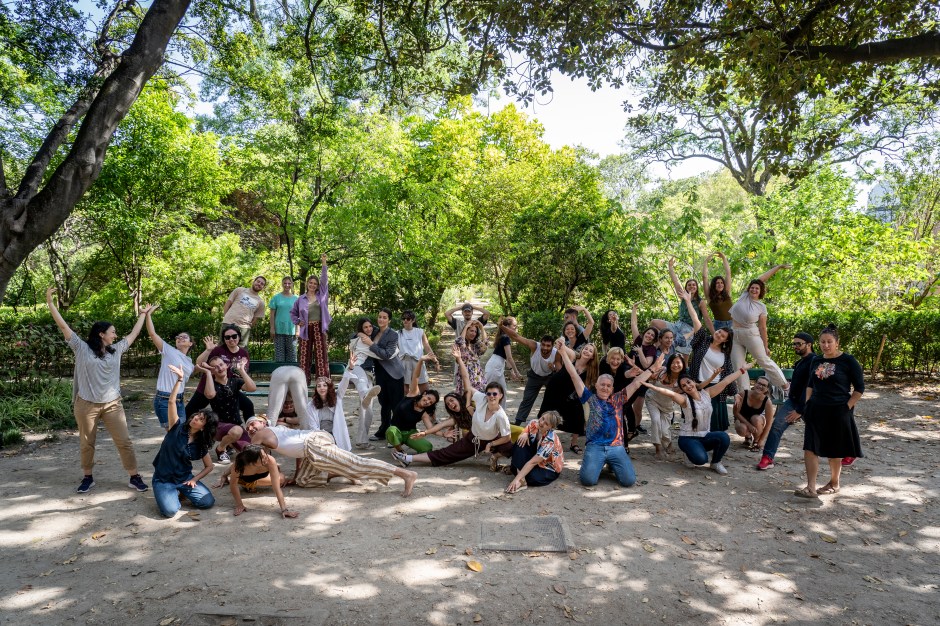
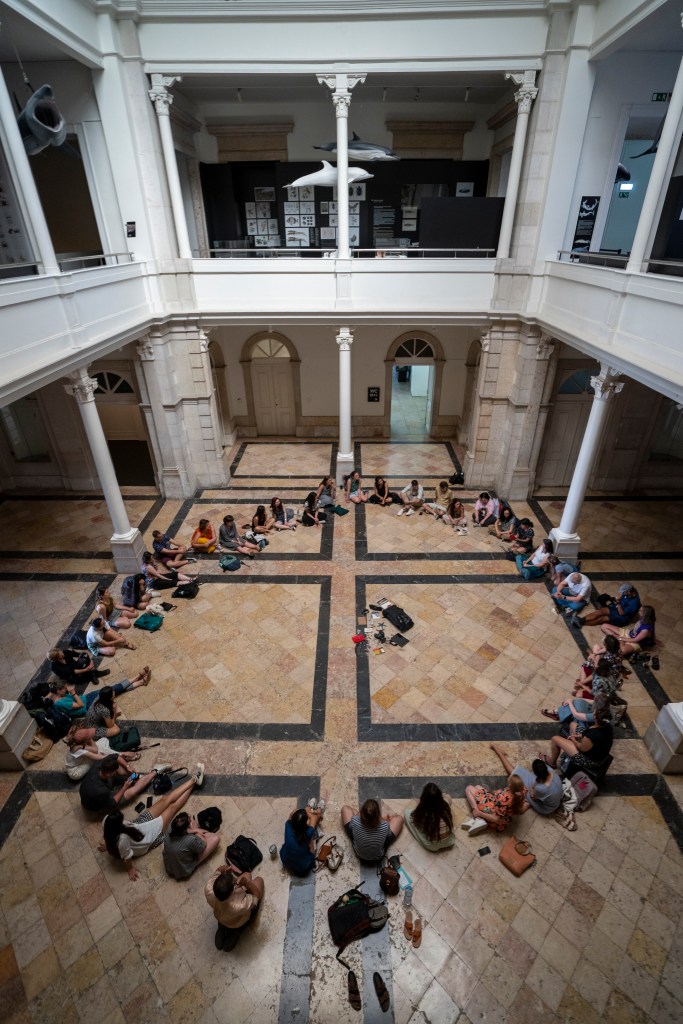
This book is coauthored by the participants of the international summer school on “Urban Imaginary – Exploring our urban futures” and highlights the creative co-learning process, or odyssey, of the event. Hosted under COST action SHiFT – Social Sciences and Humanities for Transformation and Climate Resilience, the 5-day course took place in the National Museum of Science and Natural History and the Botanical Garden of Lisbon, Portugal, 3-7 July 2023. The summer school was conceptualized as a learning space that engaged cognitive and embodied knowledge and that nurtured both body and mind in a simultaneous and synergistic way. With a total of 48 trainers and participants of diverse disciplinary backgrounds coming from 20 countries (Europe and elsewhere), the summer school applied a transdisciplinary approach that allowed the trainers and participants to navigate between the many polarities, contradictions, and challenges around life in cities and to explore new, regenerative imaginaries of the future.


Open Access to the book here


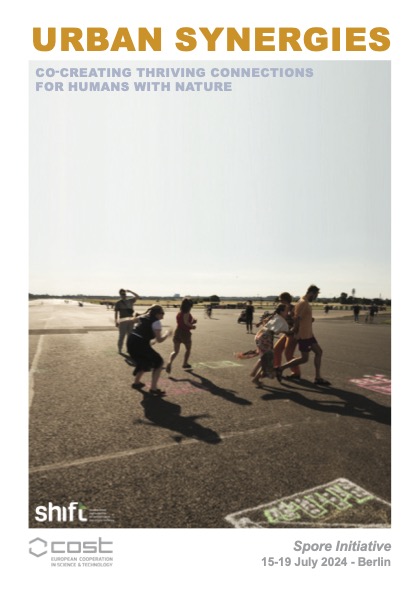
Summer school “Urban Synergies: Co-creating thriving connections for humans with nature”

How can we live and thrive together?

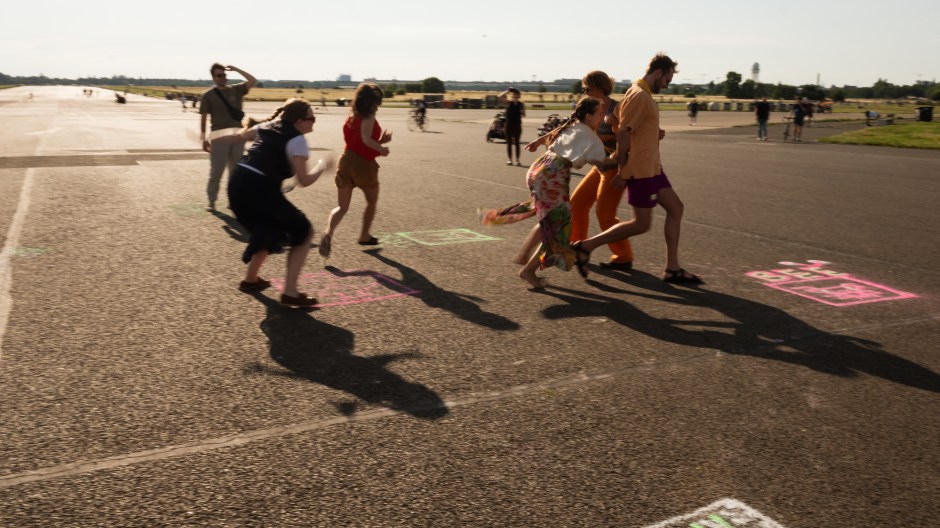
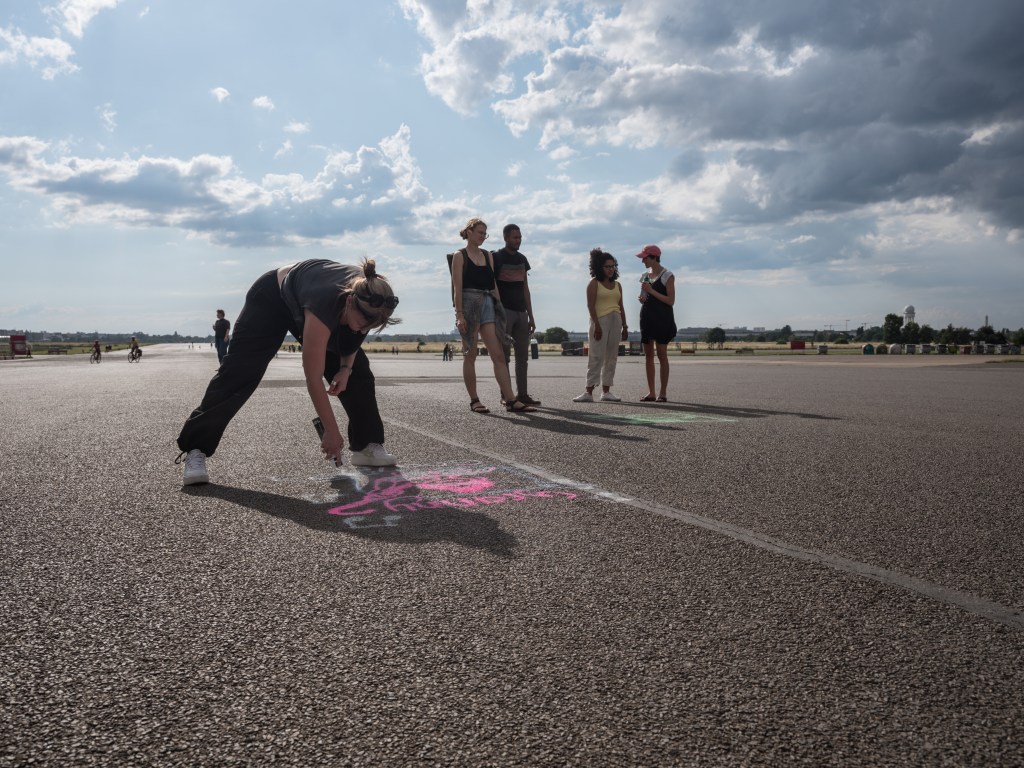
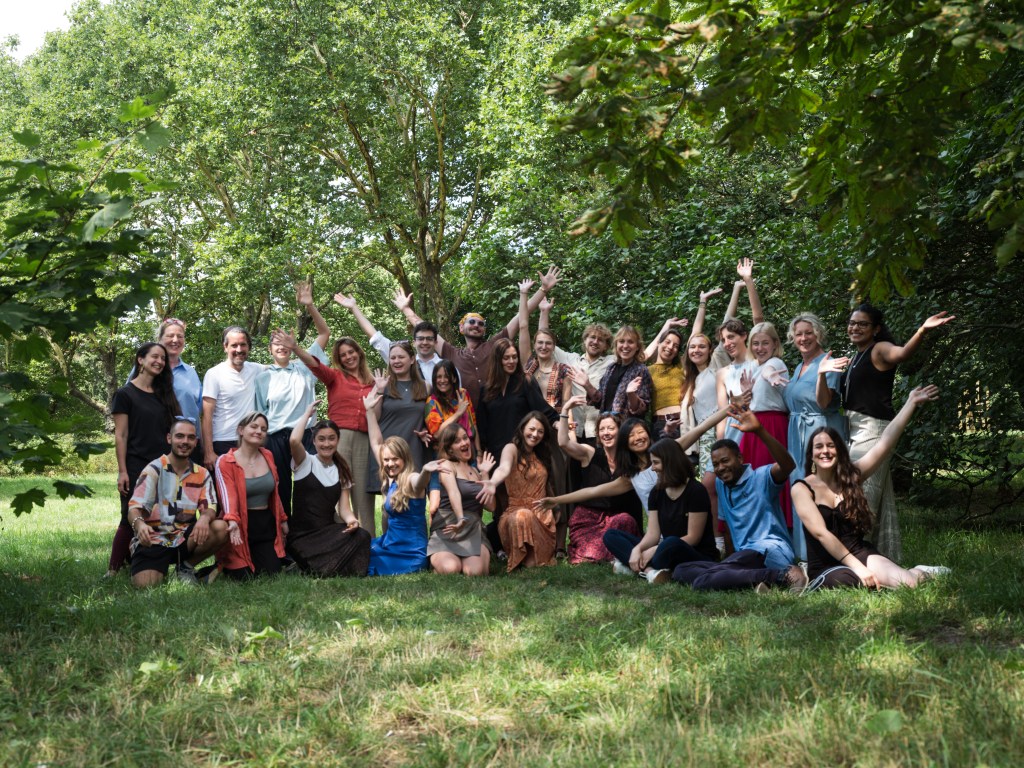
The summer school “Urban Synergies: Co-creating thriving connections for humans with nature” was a five-day event, taking place in Berlin 15-19 July 2024 involving young people from Europe and beyond. It centered around the challenging questions: How can we live and thrive together? How can we not only overcome polarities but nurture diversity and dignity for all? How can cities not only adapt to climate change but restore and regenerate relationships with nature, resources and with communities around us?

Cultural and technological transformations that define modern life have pulled us away from our fundamental connection with nature and each other in ways that are unhealthy for people and the planet. This is particularly true within cities, where urban alienation and disconnection from natural systems are especially pronounced. Today, more than half the world’s population lives in cities, and more than two-thirds will live in urban areas by 2050. As rapid urbanization and ecosystem dysfunction (e.g., climate change; biodiversity loss) accelerate, we ask, how can we begin to reimagine urban life in ways that restore our connections to one another, our communities, and to the natural systems within which we are embedded? Moreover, since cities are places of deep, visible, and longstanding material andsocial inequities, how can we envision urban futures in ways that recognize, address, and transcend historic injustices to build more just, equitable alternatives?

The chosen approach to the city was an evolving and potentially transformative journey. It involved creative, embodied, and transdisciplinary approaches to learning about current challenges and injustices, drawing new linkages, and to designing change. This summer school invited participants to reimagine conviviality and community-building in the city through a transdisciplinary lens.

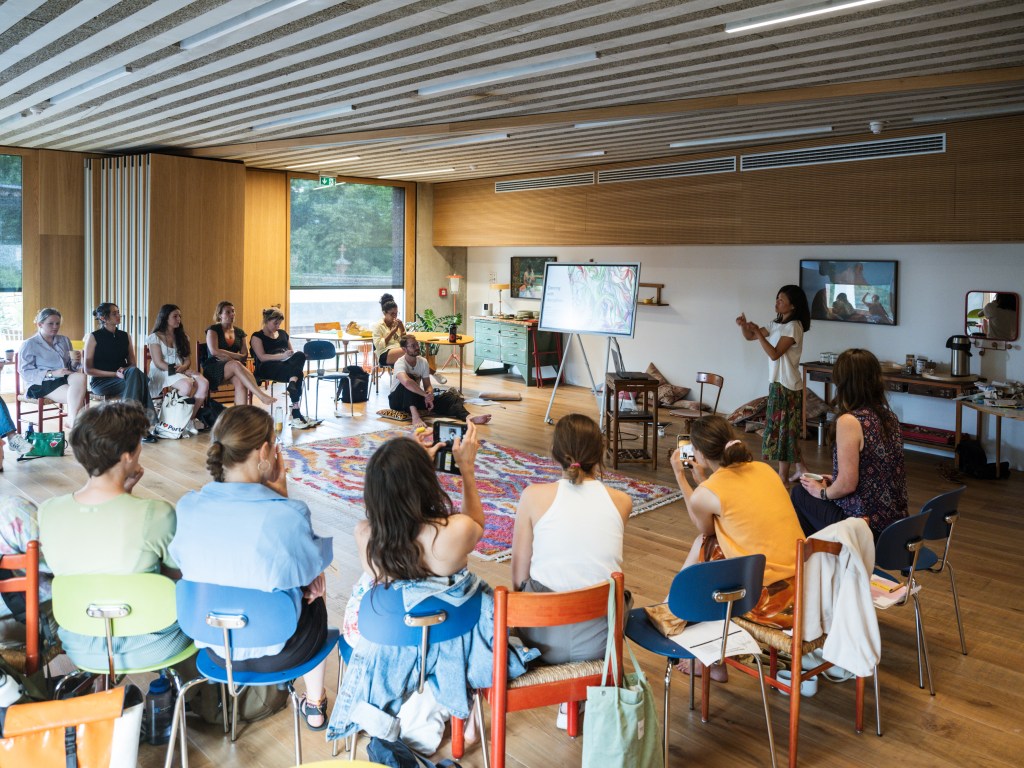
The goal was to provide participants with theoretical and practical knowledge of transdisciplinarity, transformation and regeneration in urban spaces. The chosen approach integrated arts-based, design-driven and experiential learning practices with theoretical knowledge. The summer school offered a space to explore how to navigate between perceived polarities and seeming contradictions to create new, regenerative imaginaries of the future. Taking place in the vibrant neighborhood of Schillerkiez, Neukölln, the summer school provided participants with opportunities for experiential learning through field visits and creative experiments. The summer school was conceptualized as a transdisciplinary learning space. It offered a balanced program of lectures, interactive sessions and experiential field trips in Berlin provided by experienced and internationally renowned trainers and researchers.

Access Report with Full Programm here

The summer school was an activity of the Cost Action SHIFT which studies the contribution of the Social Sciences, Humanities and the Arts to sustainability transformations and climate resilience. Organized by the Working Group 3, this summer school explored the potential of transdisciplinary, art- science approaches in addressing the complexities in urban spaces, drawing new linkages and designing connections that shape regenerative and thriving urban environments. Moving beyond disciplinary approaches to environmental challenges, this summer school integrated holistic, transdisciplinary approaches and created spaces for imagining and co-creating just, livable, healthy futures that foster a sense of belonging and kinship.

Organisers and facilitators: Julia Bentz, Kiat Ng, Jelena Ristic Trajkovic

Photos: Mirella Frangella

Urban Imaginary – A transdisciplinary summer school exploring our urban futures

Have you ever wondered how cities will adapt to climate change and related challenges? Do your imaginings take a dystopian or utopian view? How do you imagine a city that you would LOVE to live in?  

Cities are tapestries of culture, science, art, history, diversity and innovation. At the same time, cities are hotspots of resource consumption, air pollution and greenhouse gas emissions. Yet, cities often are pioneers of more sustainable and equitable ways of living, while addressing air pollution, waste, mobility, housing and climate in a far more effective way than countries or provinces. For the world to thrive, cities are likely to be drivers of change towards regenerative living and being. They were once the birth of civilization. How can they be testing grounds for innovating and reimagining the urban space? What might a regenerative city look like and feel like? How do we harness the creative potential of cities to achieve regenerative futures for our planet?  

Starting in January 2023 I led the conceptualisation and organisation of a transdisciplinary summer school on urban futures. The core idea was to invite participants to reflect, explore and reimagine the city through different lenses.

The International summer school “Urban Imaginary – Exploring our urban futures”, hosted under COST action SHiFT – Social Sciences and Humanities for Transformation and Climate Resilience, was a 5-day course that took place in the National Museum of Science and Natural History and the Botanical Garden of Lisbon, Portugal, 3-7 July 2023. The summer school was conceptualized as a learning space that engaged cognitive and embodied knowledge and that nurtured both body and mind in a simultaneous and synergistic way. With a total of 48 trainers and participants of diverse disciplinary backgrounds coming from 20 countries (Europe and elsewhere), the summer school applied a transdisciplinary approach that allowed the trainers and participants to navigate between the many polarities, contradictions, and challenges around life in cities and to explore new, regenerative imaginaries of the future.

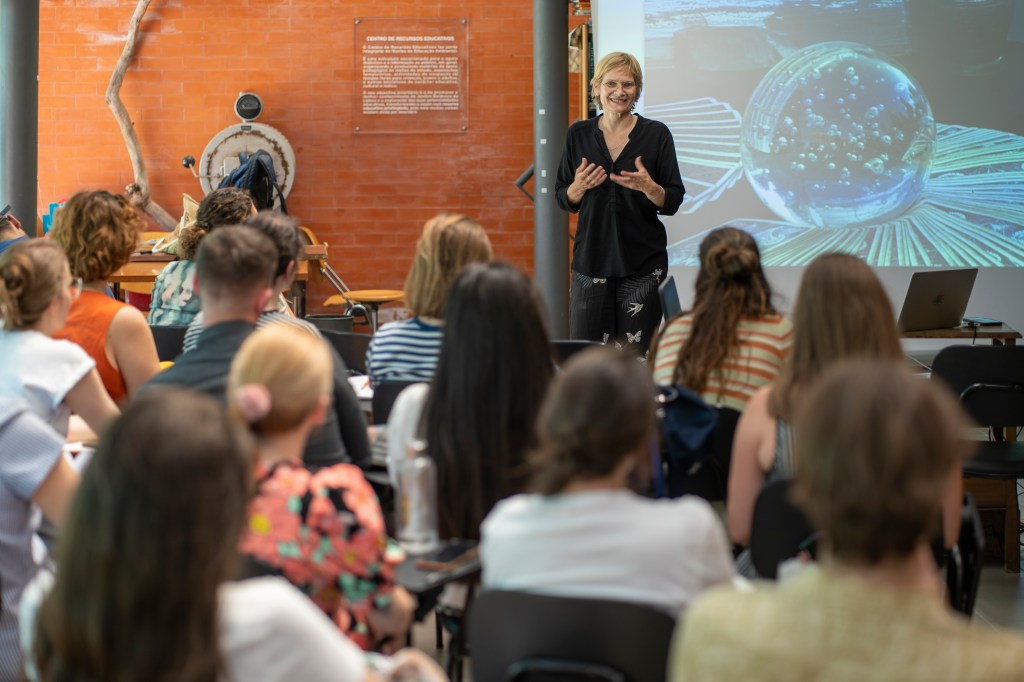
The summer school involved theoretical lectures, interactive sessions, and guided tours and integrated embodied and experiential learning sessions throughout the course. The lectures, as well as the embodied parts of the program, were following and informing the overall theme of URBAN IMAGINARIES with the aim to offer alternative perspectives and inspire participants. The chosen transdisciplinary art-science approach aimed to provide learners with a felt experience and conceptual understanding of transdisciplinarity and how to explore a real-world problem through a holistic approach.

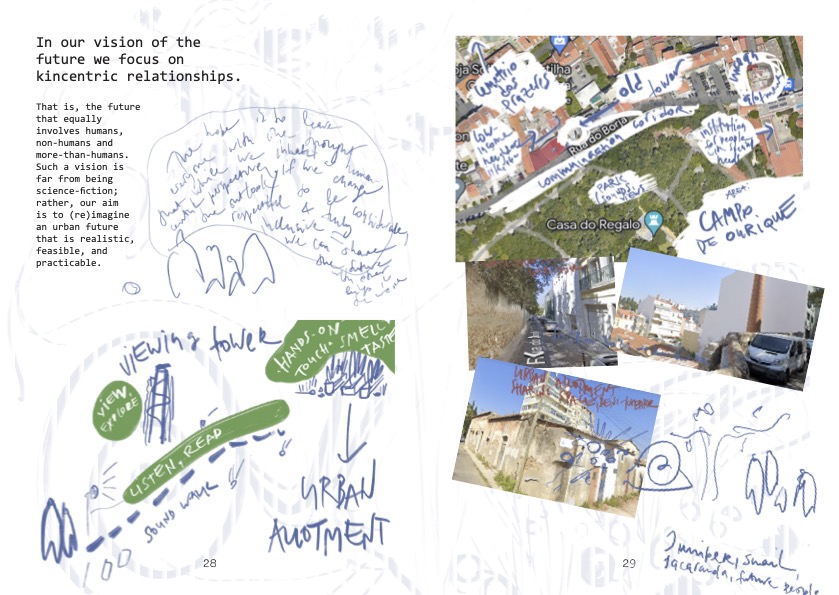
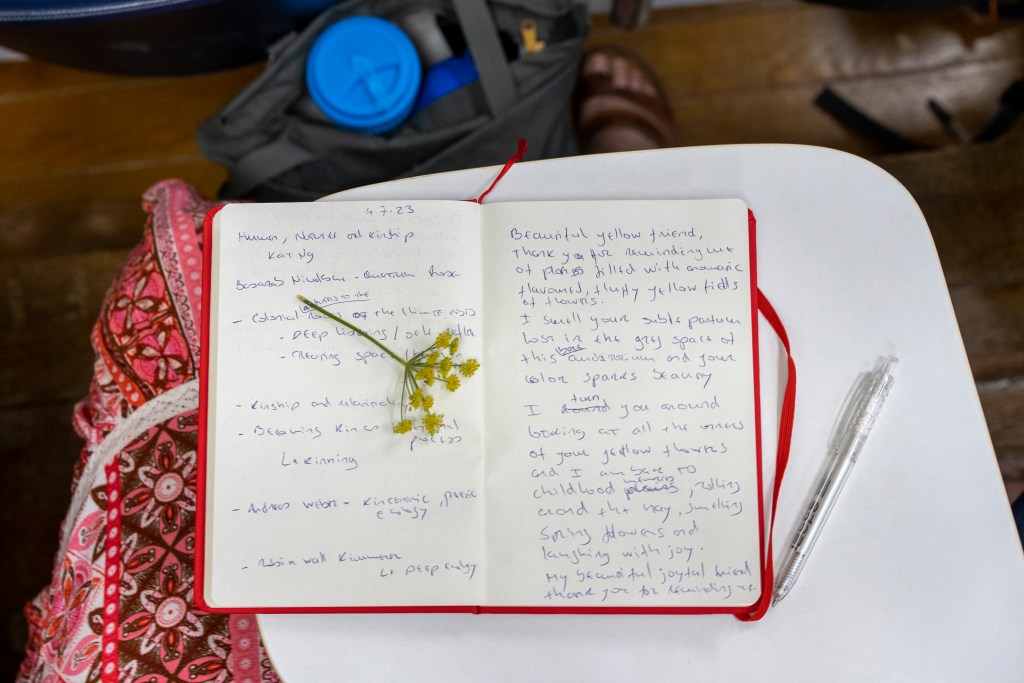
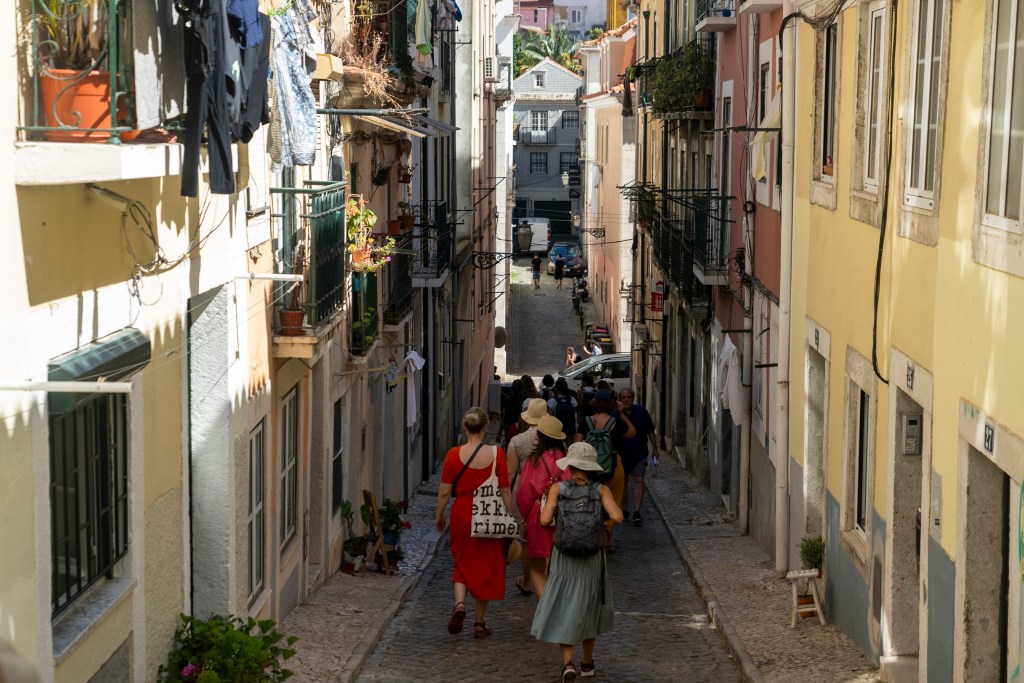
The summer school program involved creative exploratory methods such as futures thinking and emerging concepts, including kinship with the non-human world and nature-based solutions. It provided spaces to learn and explore urban futures through the senses as the senses offer a way to tap into embodied knowledge. To ground imaginations in spatial reality as well as bring forth practical future visions, time travelers were guided through Lisbon city focusing on auditory, visual, or taste and smell senses. 

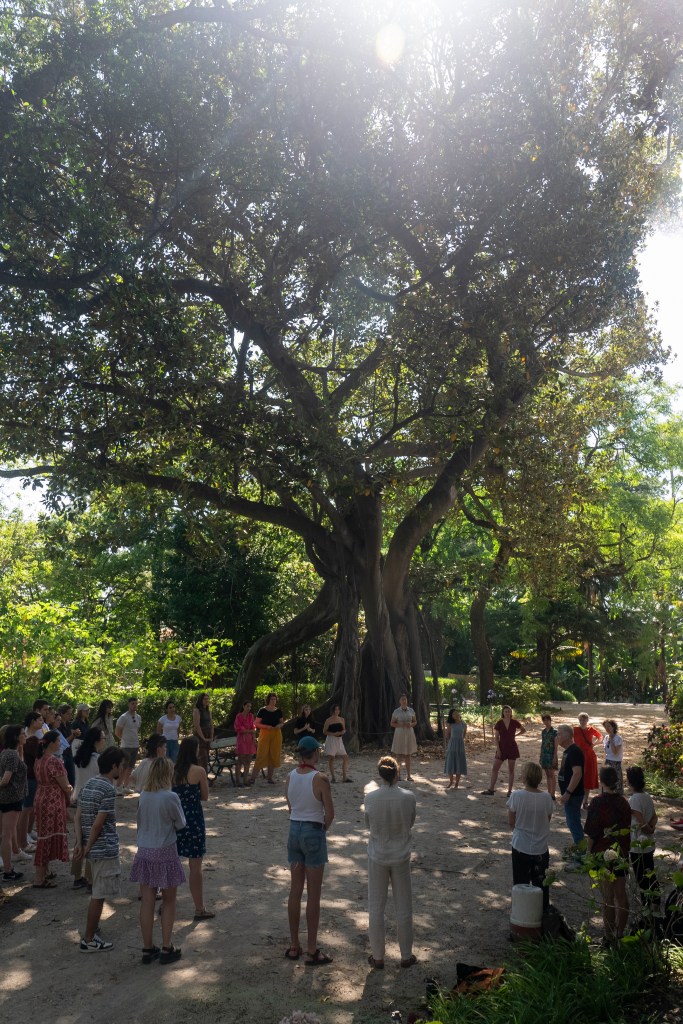
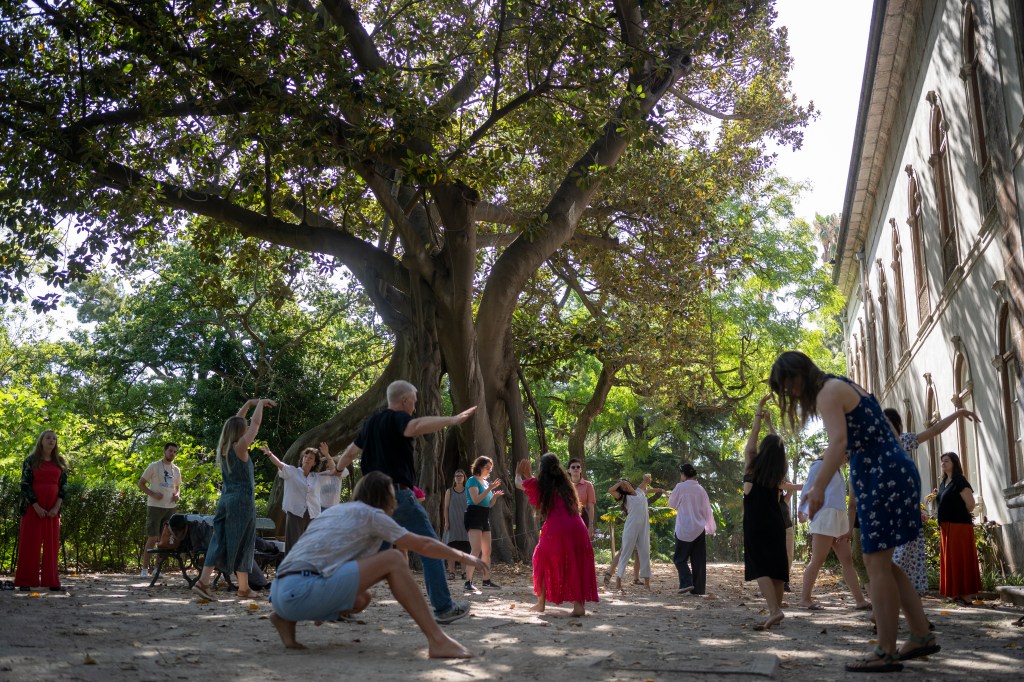
To tap into embodied knowledge and body wisdom, every morning, the course started with an embodiment session in the Botanical Garden. Participants were invited to engage in movement exercises informed by Interplay, a play-based, dance-based movement practice. Beginning with exercises, such as walking, stopping, and running, becoming aware of the space around oneself, each day the movement exercises became more complex. A hand dance and individual movements grew into a group dance on behalf of a poem. With each day participants became more expressive in their movements, in tune and connected with other participants and the natural elements, seemingly moving more and more together as a whole.

On the last day, participants presented their regenerative urban design proposals for different locations in Lisbon in groups. The presentations involved performances, storytelling, poems, design approaches and visual art and centered around the principles and values of kincentric futures, wellbeing, care, community, utopias, transformation and heritage. Coming from very diverse backgrounds in terms of disciplines and geographical background the participants had brought different forms of knowledge and experience to their working groups.

Julia Bentz

Photos by Bram Goots

Open access book published!

This book shows how creative methods involving stories and art can help educators to address the challenging topics of climate change and peace via new channels that inspire their learners and underline the role of each individual, with their specific talents and worldviews, in engaging with the crucial questions of this generation. Where climate change and human conflict meet, there is a particular potential for approaches beyond language and traditional classroom methods to offer students new channels of engagement. This book explains the reasons behind this and offers examples of such new channels in an inspirational resource for educators.

Free download here

This book has been a project very close to my heart that has given me great joy during the development and writing process. It is a guide for educators and everyone who wants to learn more about creative approaches to climate change and peace education. It is a hopeful book, cultivating the kind of learning that can prepare us to be hopeful climate and social justice educators and activists

This book is the result of collective efforts. I want to acknowledge the work of the the editors Marte Skaara and Wendy Anne Kopisch; the storytellers Janna Articus, Michael Chew, Burcu Eke Schneider, Dimitrios Gkotzos, Marina Kalashyan, Anna Malavisi, Munir Moosa Sadruddin, Aditi Pathak and Stefanie Vochatzer; the artists Anirudh Kadav, Burcu Koleli, Carolina Altavilla, Luise Hesse, Hazim Asif, Neethi and Harutyun Tamaghyan; and the graphic designer Stefanie Bendfeldt. Thank you all so much for a lovely collaboration 

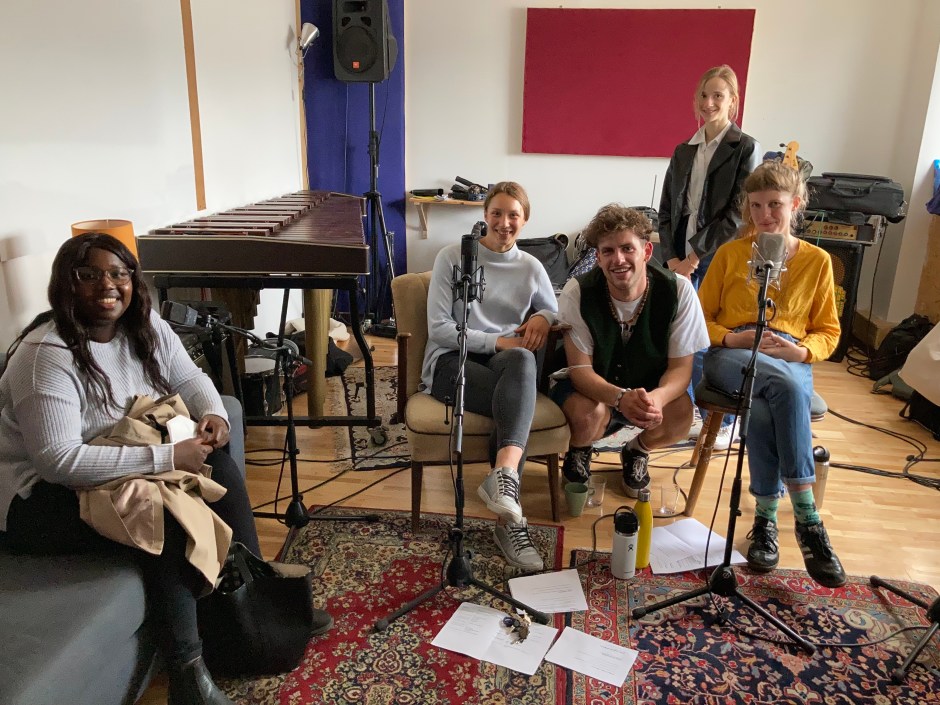
Transformation through art? – Podcast with students of Freie University Berlin (in German)

There is still a huge gap between what we know about sustainability and climate and how we act on an individual and collective level. It is clear that we need a profound change, a transformation. But how do we do that? And what exactly does transformation actually mean? The negative scenarios are well known, but how do I imagine a future worth living in? And how can I shape it actively and creatively?

These are questions that the students of the seminar “Shaping Sustainability – Transformation through Art” investigated. In groups they designed projects that dealt creatively with the topics of urban agriculture, creative activism, art and new ways of thinking, architecture, mobility, urban planning and nutrition.

In the podcast you can hear how they imagine a sustainable future and what are their ideas to actively contribute to that future with creative yet concrete projects. Check out the blog and enjoy listining!

Concept and idea: Dr. Julia Bentz, Projekt www.artforadaptation.com
This podcast was recorded and produced by www.kitmusicproduction.com/ with the support of Freie University Berlin, Unit for Sustainability and Energy Management.

Learning about climate change in, with an through art – new article

How does one engage young people with a topic that is perceived as abstract, distant, and complex, and which at the same time is contributing to growing feelings of sadness, hopelessness, and anxiety among them?

In a new paper, published in Climatic Change, I argue that although the important contributions that the arts and humanities can make to this challenge are widely discussed, they remain an untapped or underutilized potential. I present a novel framework and demonstrate its use in schools. Art can play a central place in climate change education and engagement more general, with avenues for greater depth of learning and transformative potential.

The paper provides guidance for involvement in, with, and through art and makes suggestions to create links between disciplines to support meaning making, create new images, and metaphors and bring in a wider solution space for climate change. Going beyond the stereotypes of art as communication and mainstream climate change education, it offers teachers, facilitators, and researchers a wider portfolio for climate change engagement that makes use of the multiple potentials of the arts.

Continue reading

ART FOR CHANGE: transformative learning and youth empowerment in a changing climate – article published

What’s the potential of art and transformative learning to empower young people to address climate change?

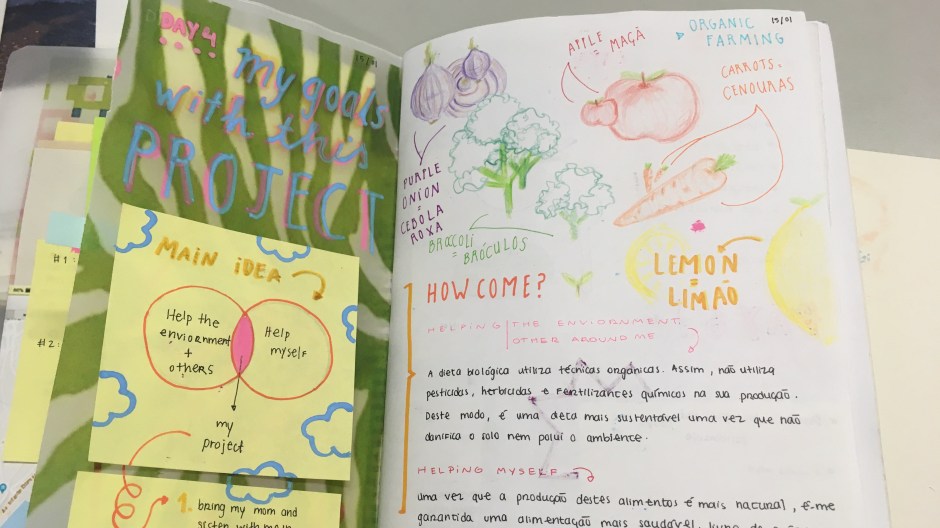
In this new article, Karen O’Brien and I explore how climate-related art projects in education shift mindsets and open up imaginative spaces where students explored and discovered their role in addressing climate change and sustainability challenges.

Read the open access article at: https://www.elementascience.org/artic…/10.1525/elementa.390/

image
Young people represent a powerful force for social change, and they have an important role to play in climate change responses. However, empowering young people to be “systems changers” is not straightforward. It is particularly challenging within educational systems that prioritize instrumental learning over critical thinking and creative actions. History has shown that by creating novel spaces for reflexivity and experimentation, the arts have played a role in shifting mindsets and opening up new political horizons. In this paper, we explore the role of art as a driver for societal transformation in a changing climate and consider how an experiment with change can facilitate reflection on relationships between individual change and systems change. Following a review of the literature on transformations, transformative learning and the role of art, we describe an experiment with change carried out with students at an Art High School in Lisbon, Portugal, which involved choosing one sustainable behavior and adopting it for 30 days. A transformative program encouraged regular reflection and group discussions. During the experiment, students started developing an art project about his or her experience with change. The results show that a transformative learning approach that engages students with art can support critical thinking and climate change awareness, new perspectives and a sense of empowerment. Experiential, arts-based approaches also have the potential to create direct and indirect effects beyond the involved participants. We conclude that climate-related art projects can serve as more than a form of science communication. They represent a process of opening up imaginative spaces where audiences can move more freely and reconsider the role of humans as responsible beings with agency and a stake in sustainability transformations.
continue reading:

Young people’s call for action – video

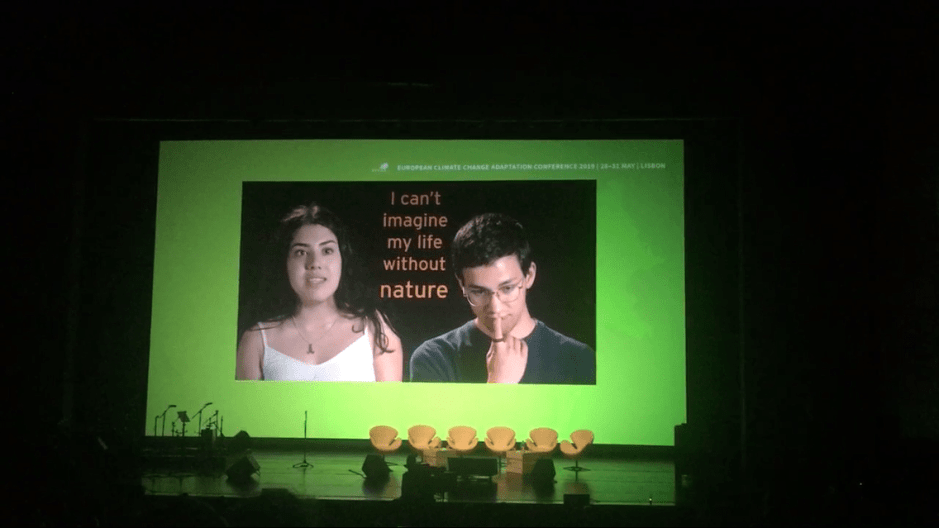
Being part of the Organising Committee of the European Climate Change Adaptation Conference 2019, which took place 28-30 May in Lisbon, one of my tasks was to involve youth in the conference. I produced a video with young people and with my sister Johanna Bentz.

The idea was to meaningfully and creatively engage young people and give them a voice to express themselves about climate change and possible responses. The video was co-produced with and about young people and their views on climate change. Students of Antonio Arroio Art High School and St. Julian’s School, Lisbon were interviewed about their perceptions of climate change responses. The film project aims to raise awareness and climate change​ engagement. The video was displayed for the first time in the Closing Plenary of ECCA and is currently being distributed in social media.

Worldwide, there are few young people participating in public decisions around climate change. These same young people are disproportionately affected by disasters and climate change hazards: they have limited voices in the decisions and policies related to disaster risk reduction, climate change adaptation, and community resilience despite calls for their empowerment as important stakeholders in these issues. In addition, young people will grow to fill leadership roles in decision-making organisations, while inheriting the consequences of climate change, policies and actions that are co-constructed today. Actively engaging and empowering children and young people to address the complex problems of climate change is a critical step to achieving resilience at local, regional, and national levels.