
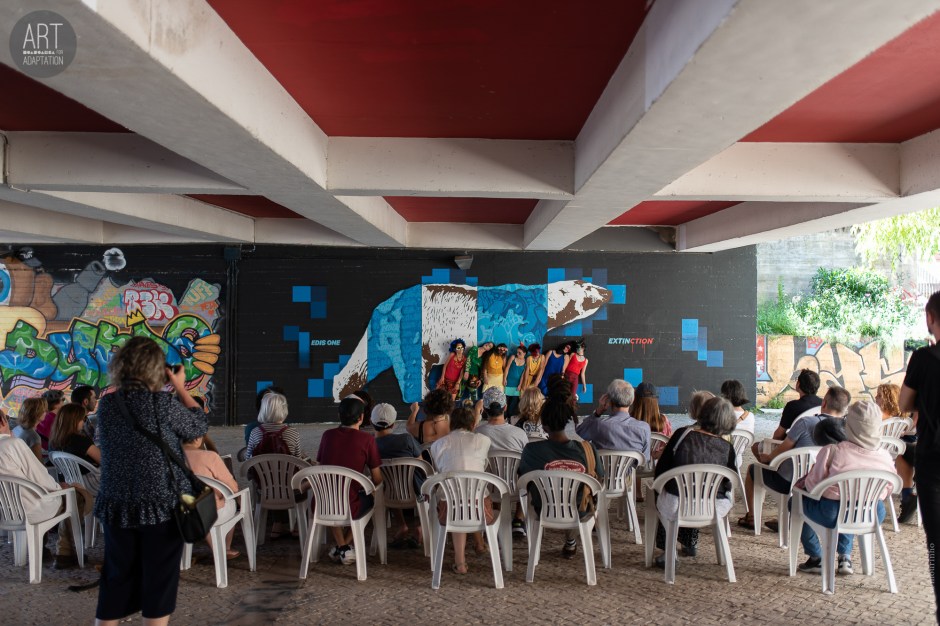
Research is emphasizing more and more the importance of connecting disparate ways of knowing, including scientific, artistic, embodied and local knowledges to better understand environmental change and to foster community resilience and engagement. This paper argues for an integrative approach to sustainability transformations, one that reconnects body and mind, that fuses art and science and that integrates diverse forms of knowledge in an open, collaborative and creative way.
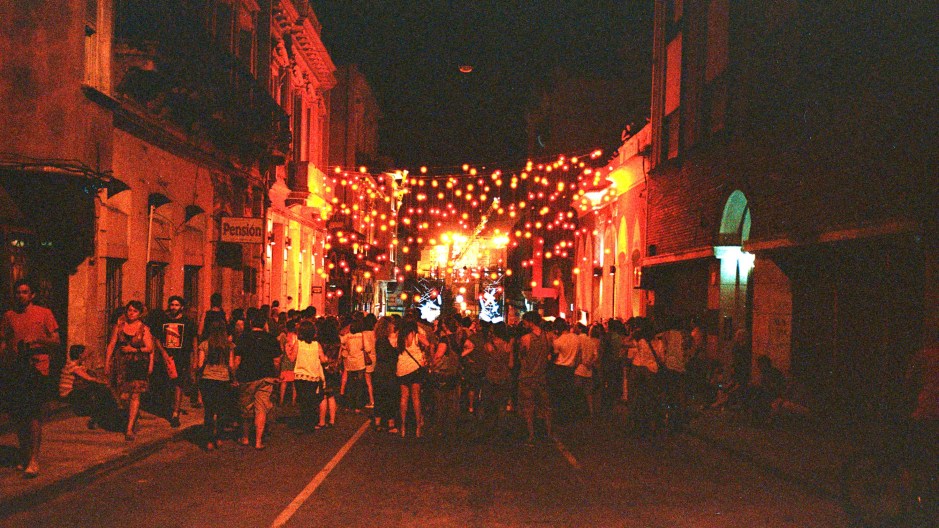
This article published in Sustainability Science draws on the experience of an arts-based project in Lisbon, Portugal, and explores embodied and performative practices and their potential for climate change transformations. It puts forward and enlivens an example, where such forms of engaging communities can provide new insight into how equitable, just and sustainable transformations can come about.


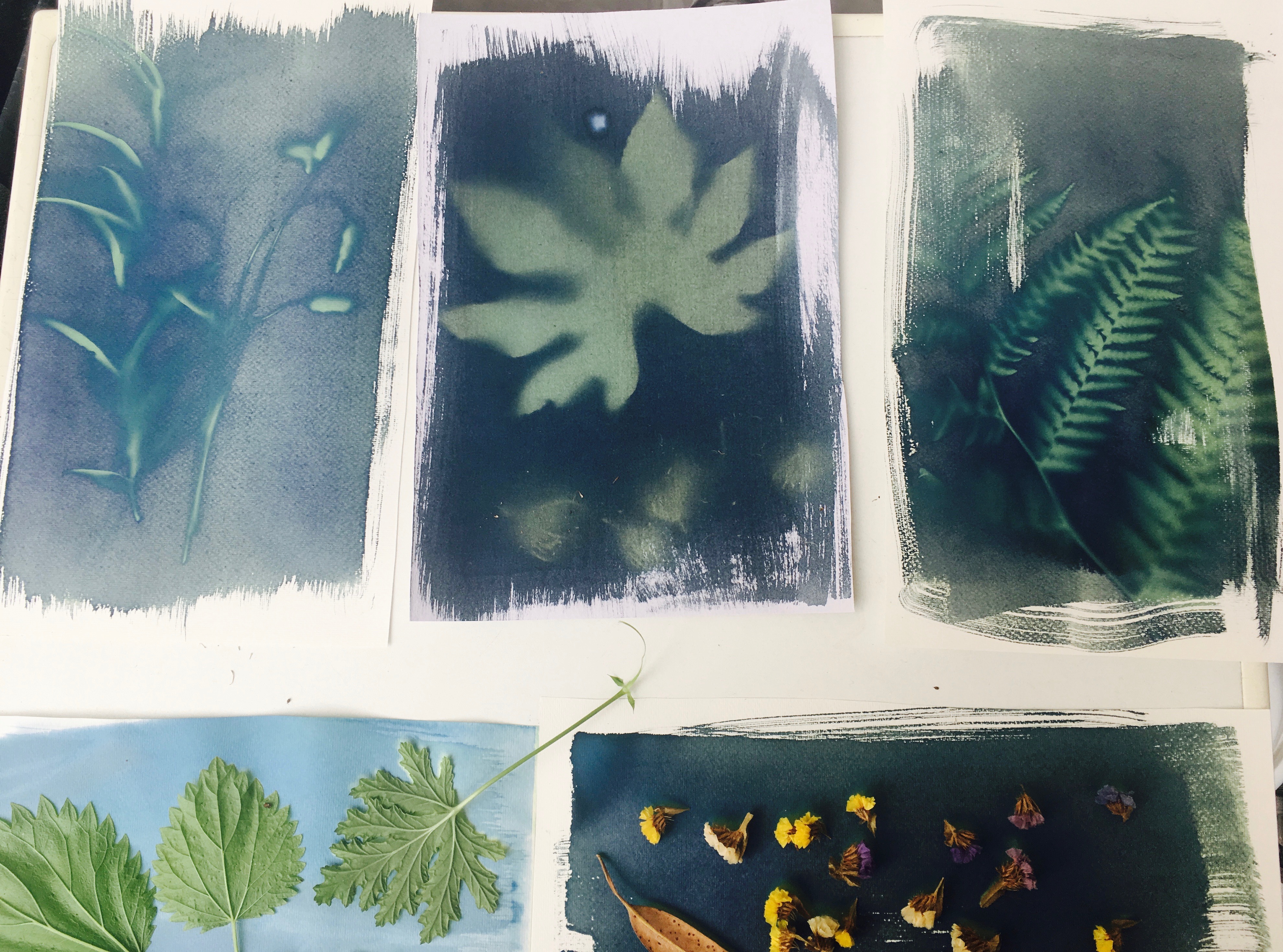

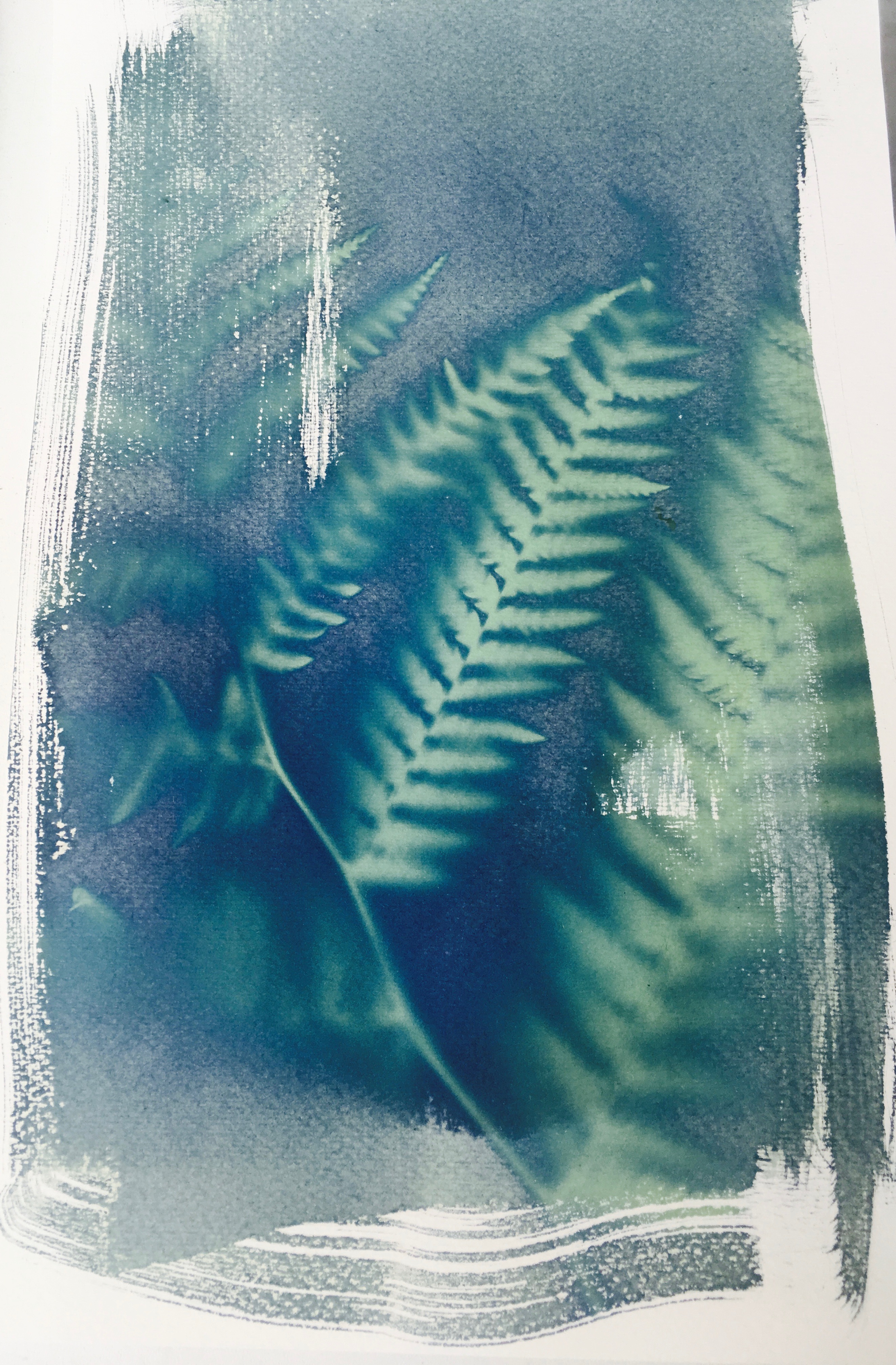
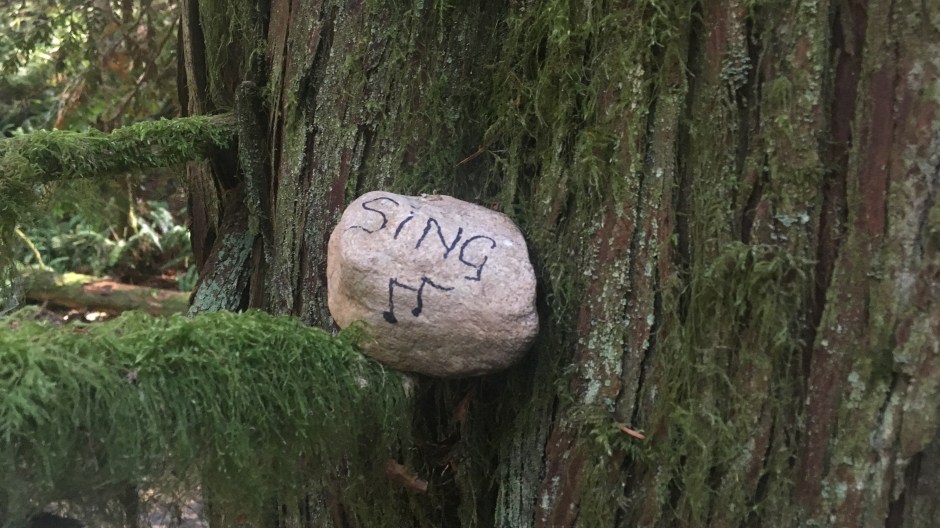
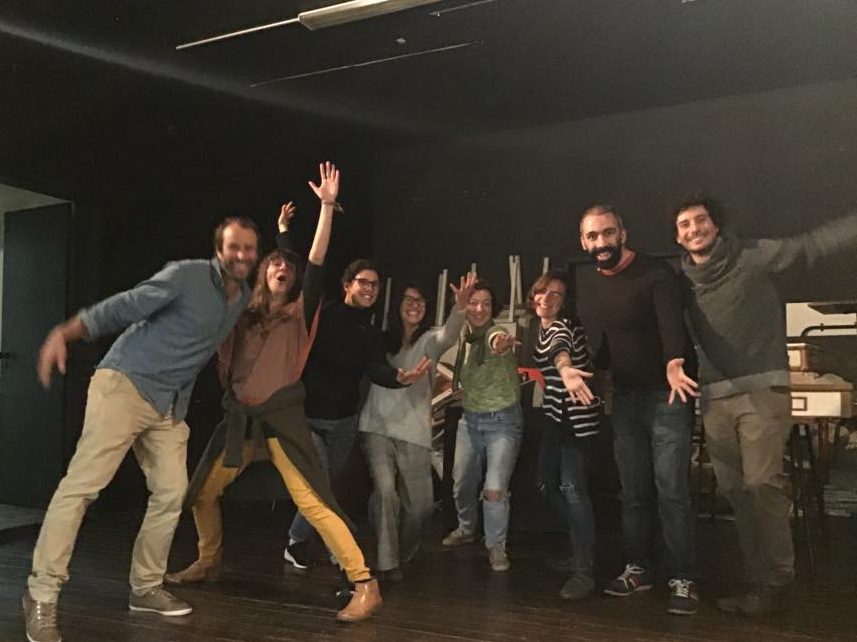
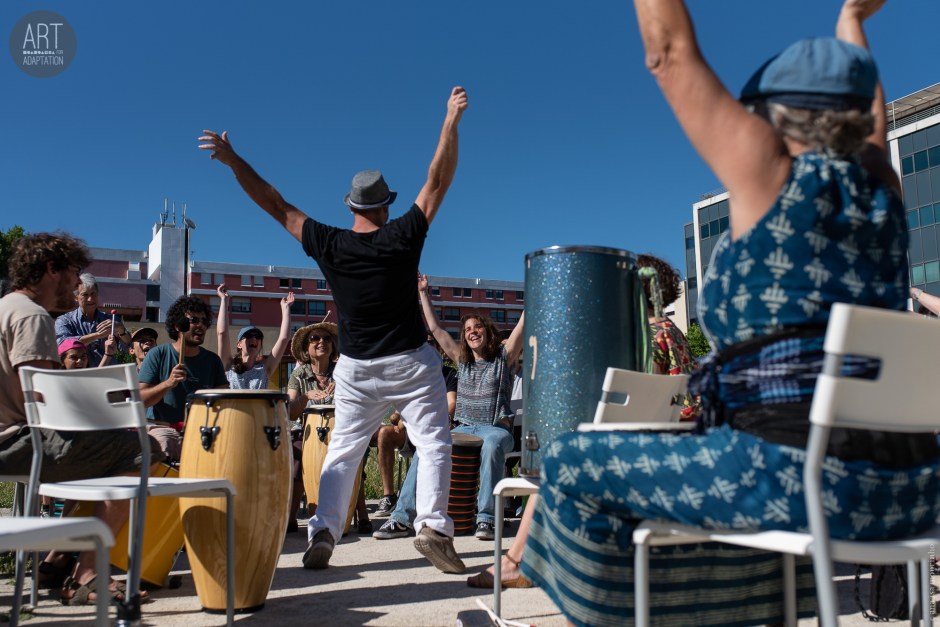

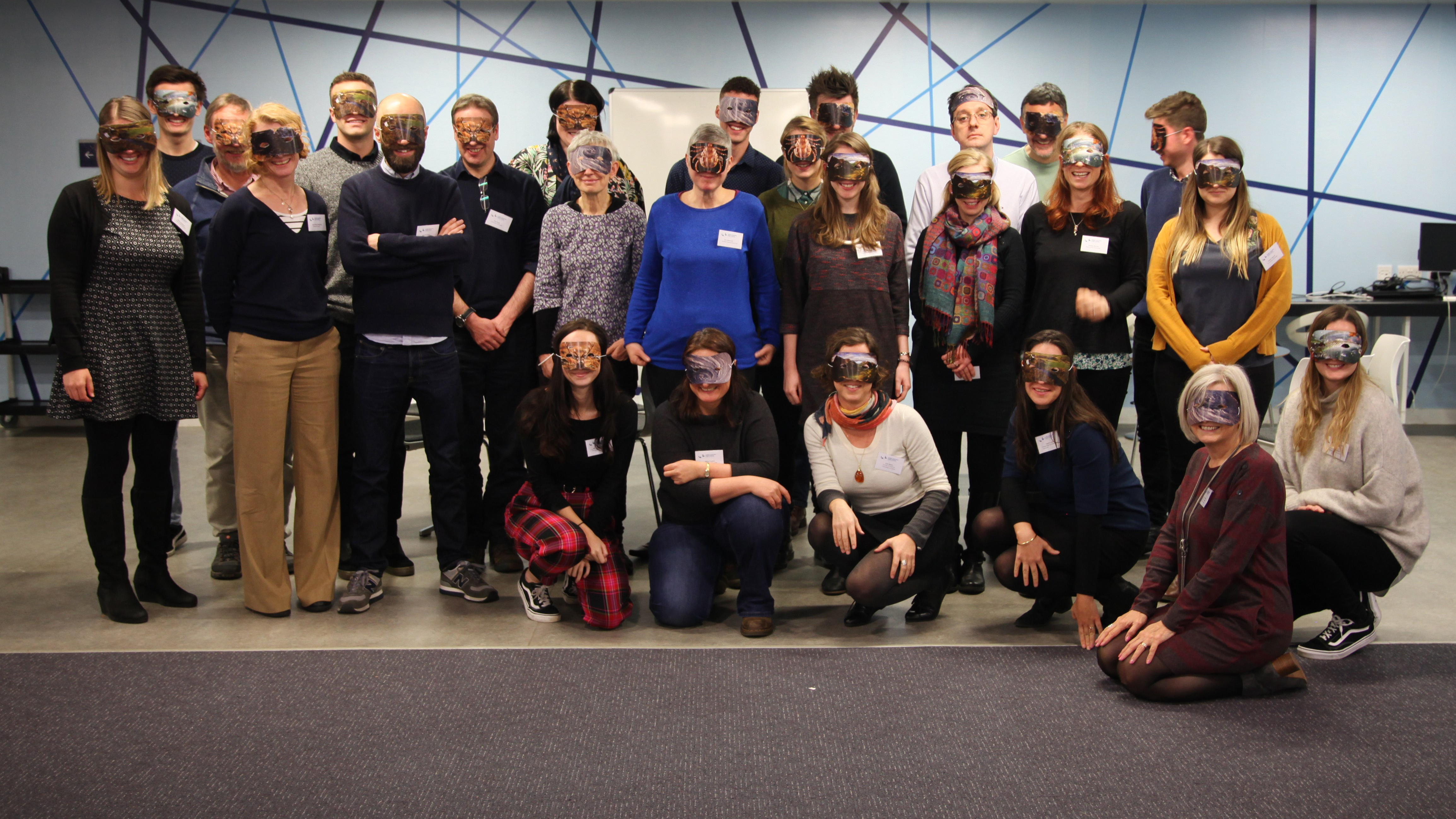

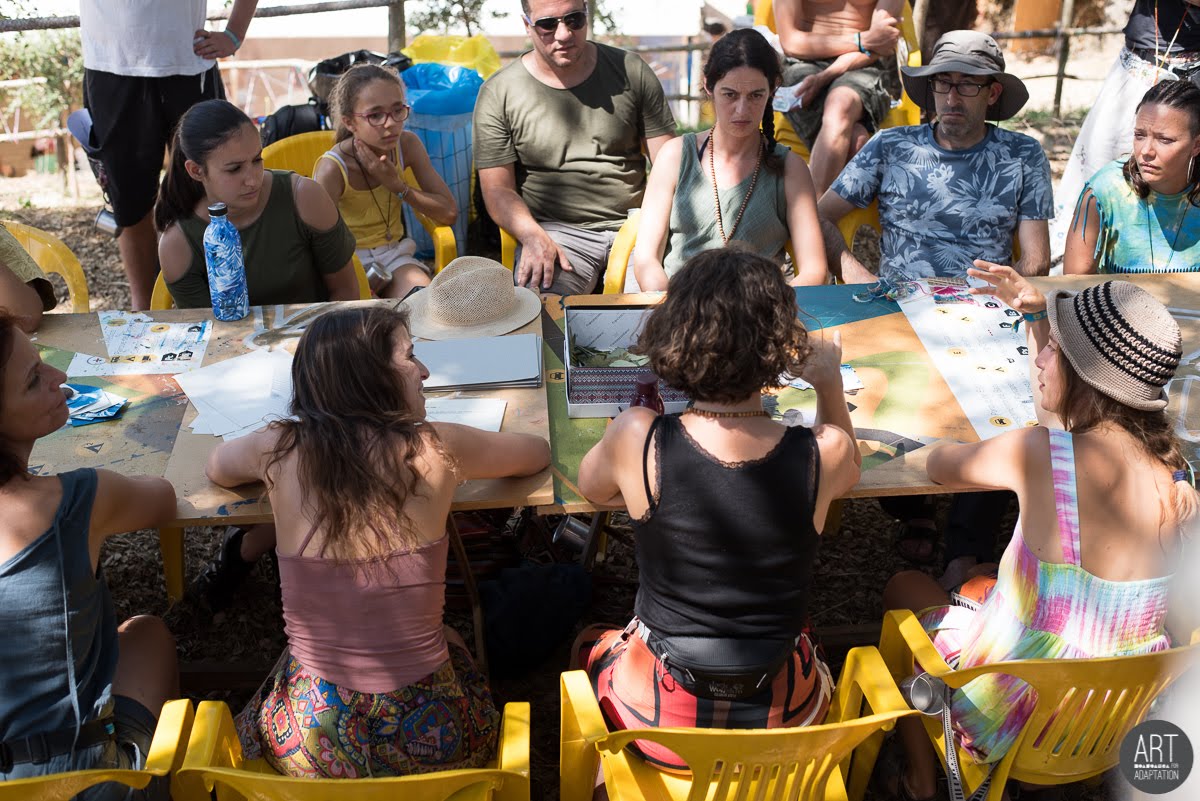
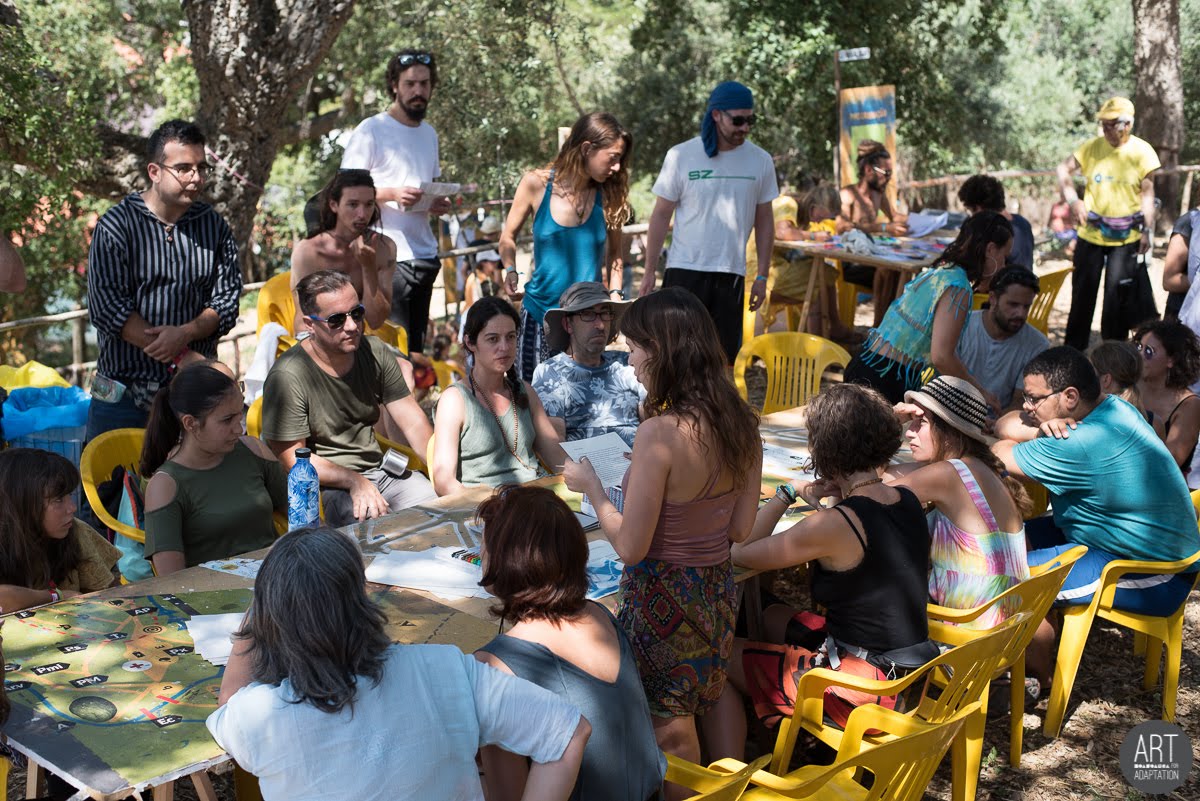
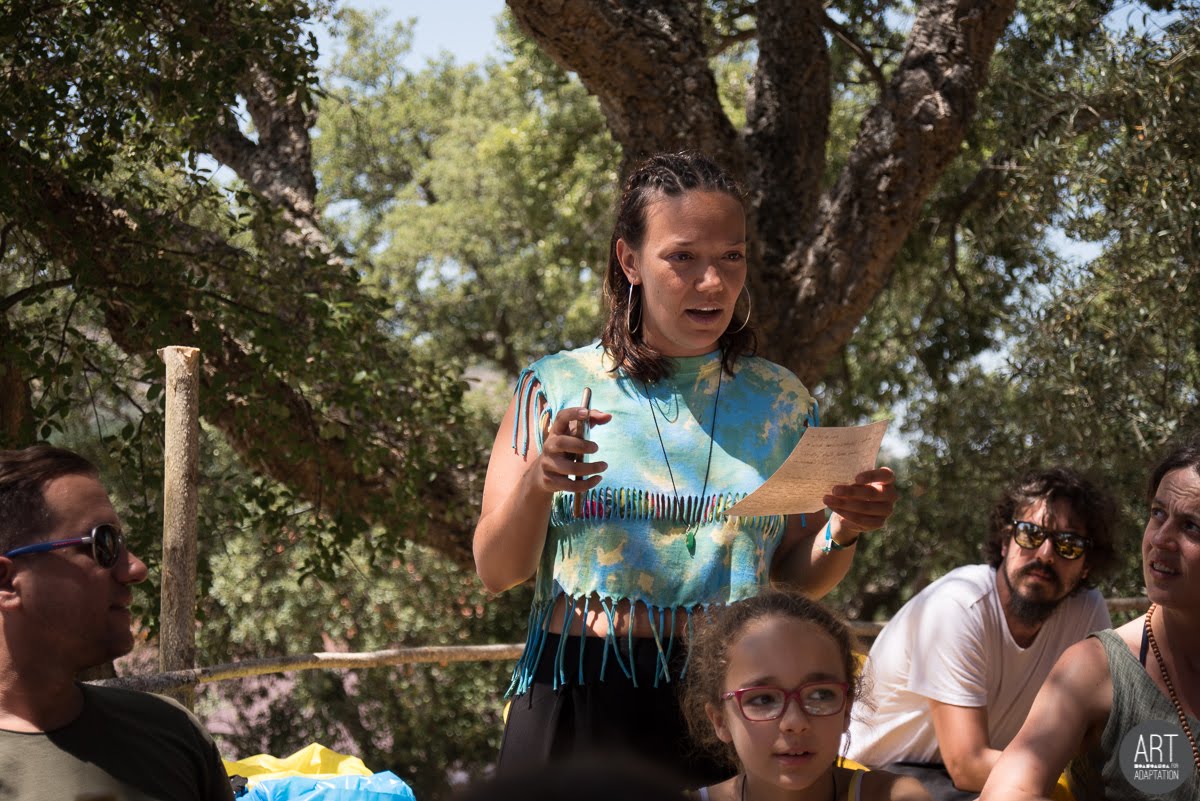
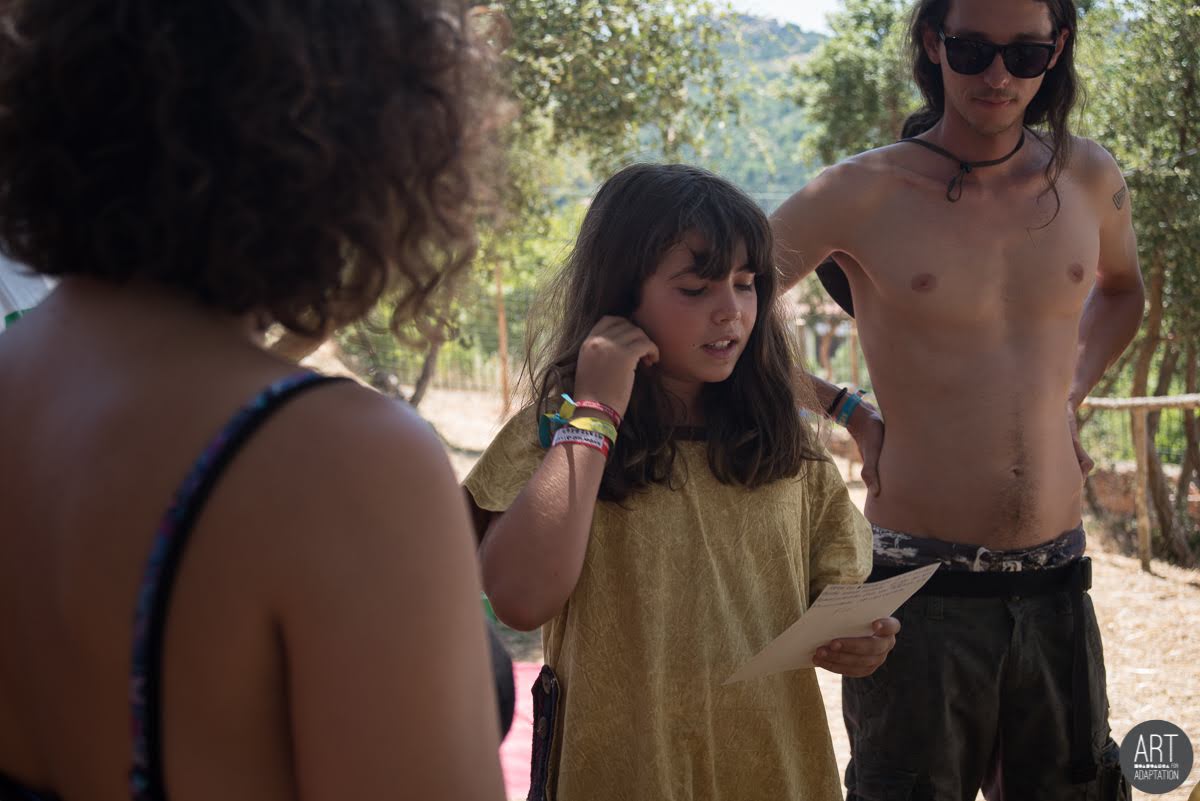
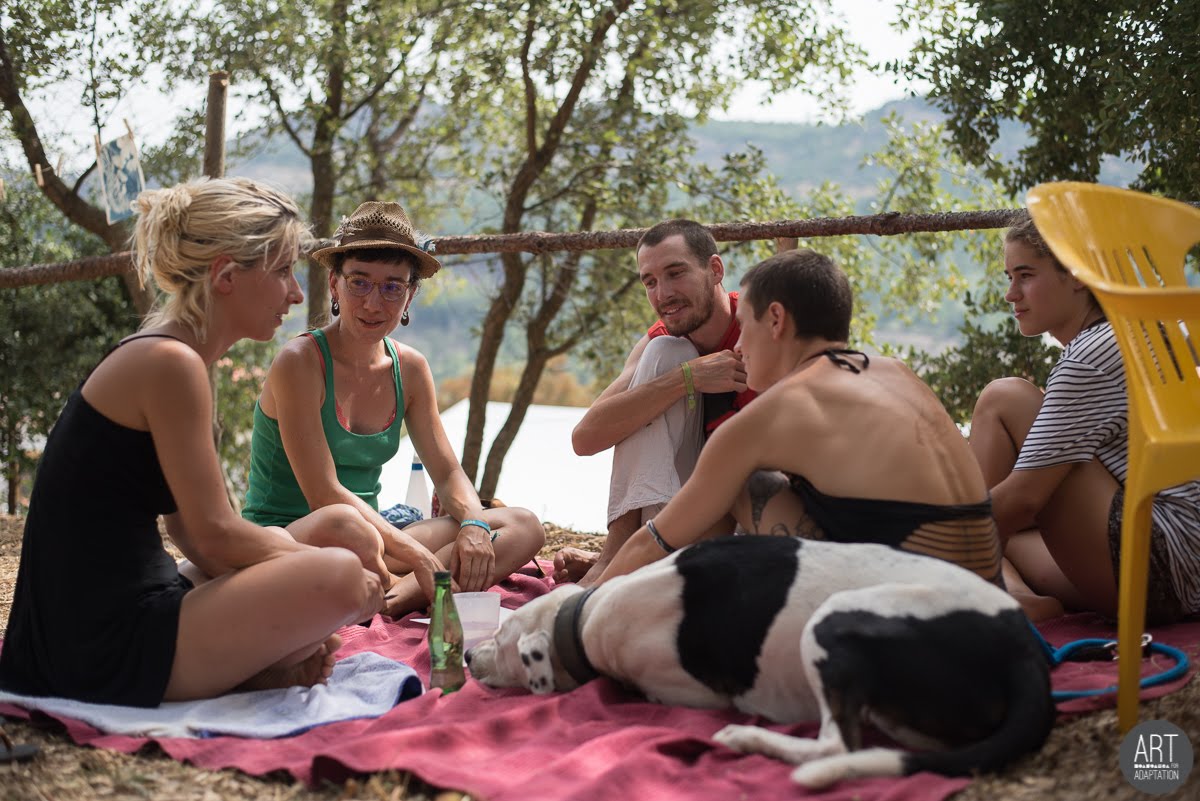
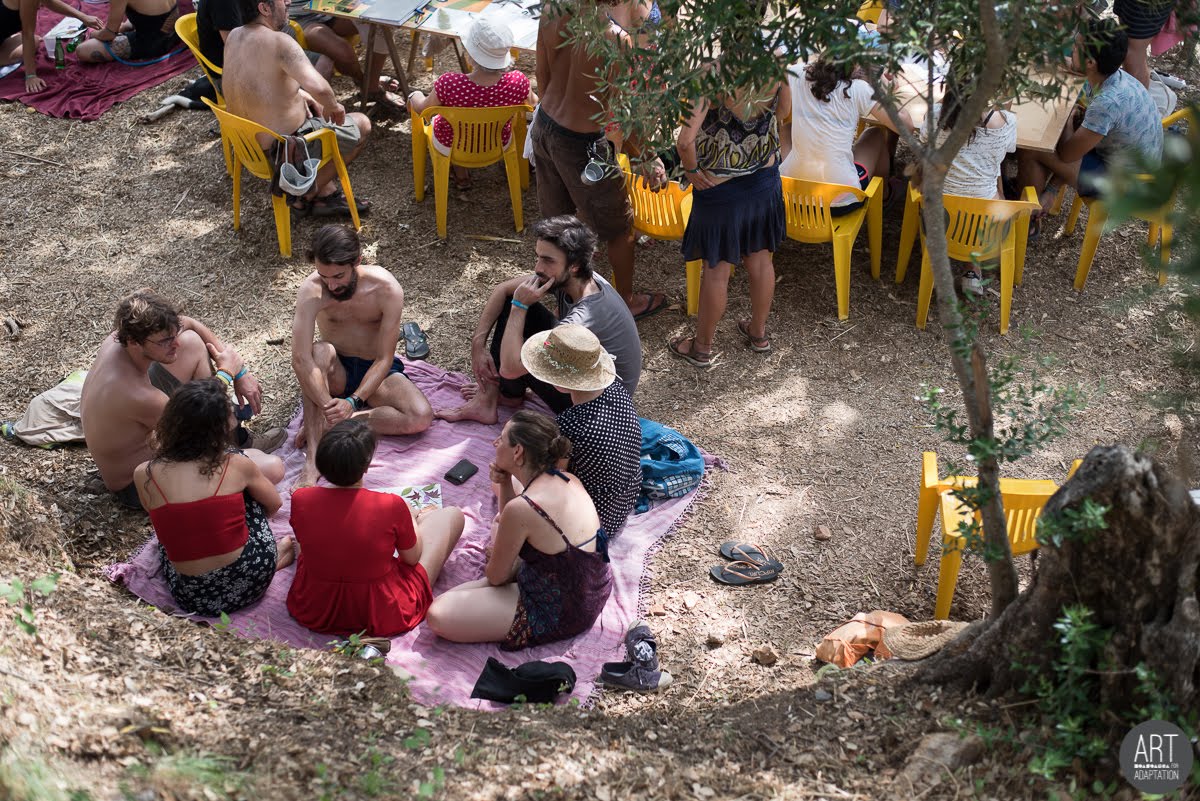
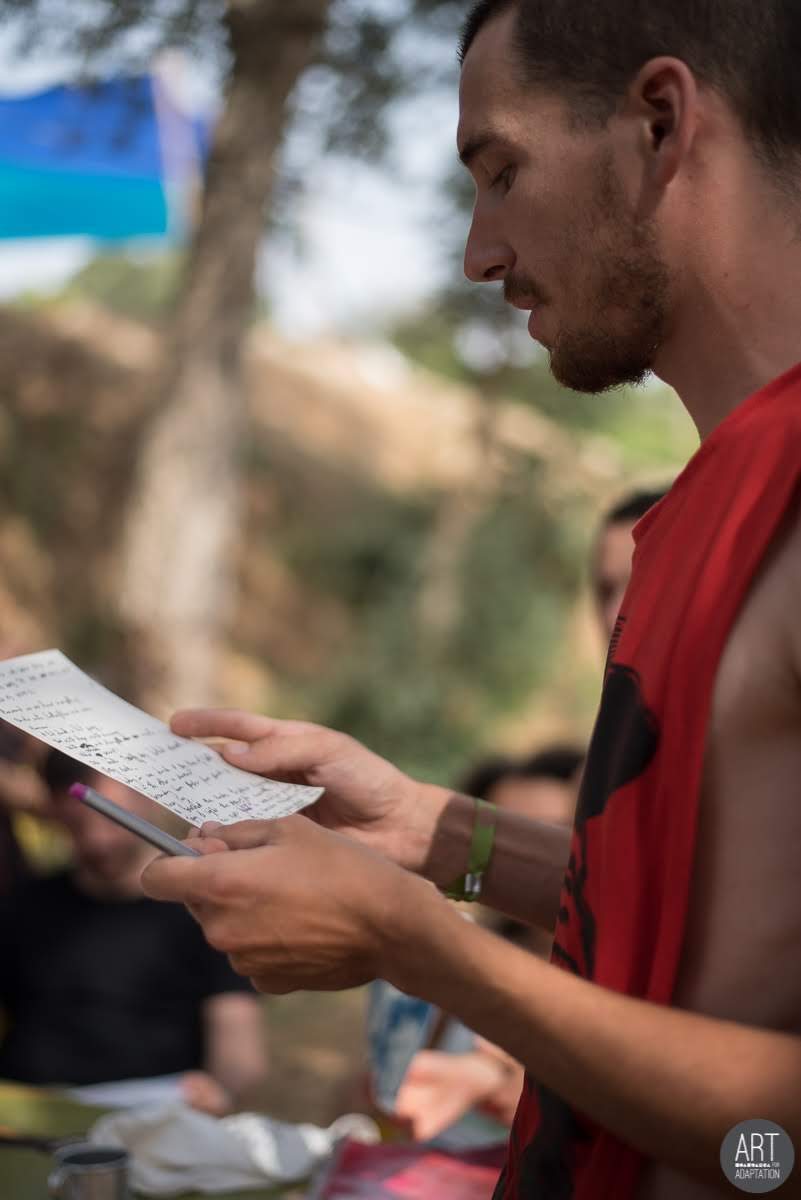
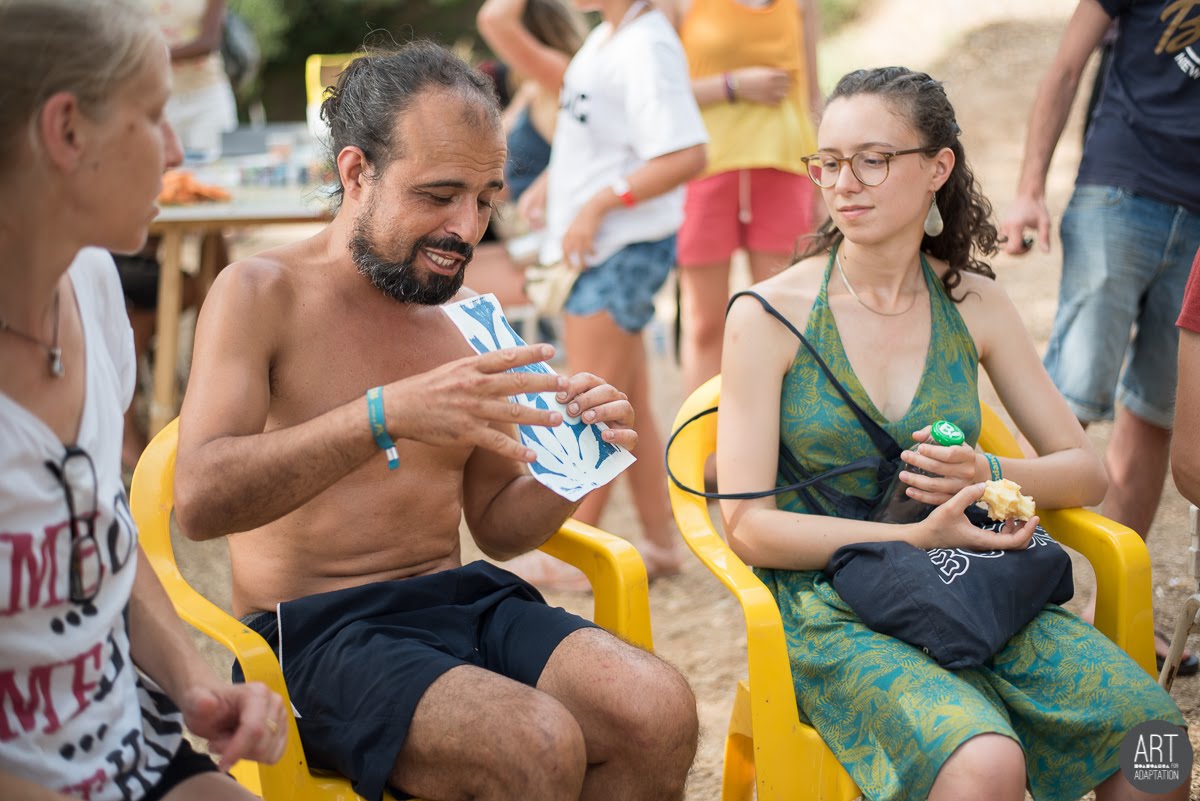
 This workshop explores the transformative potential of art through challenging current thinking on climate change and presenting new ways of approaching it. Participants embark on an imaginary journey to the future and use creative-artistic practices to develop alternative narratives (image/story) and share insights. While learning in a playful way about the topic of climate change, participants experience the creative potential of artistic practices. Creative writing techniques and cyanotype printing elicit the image/story.
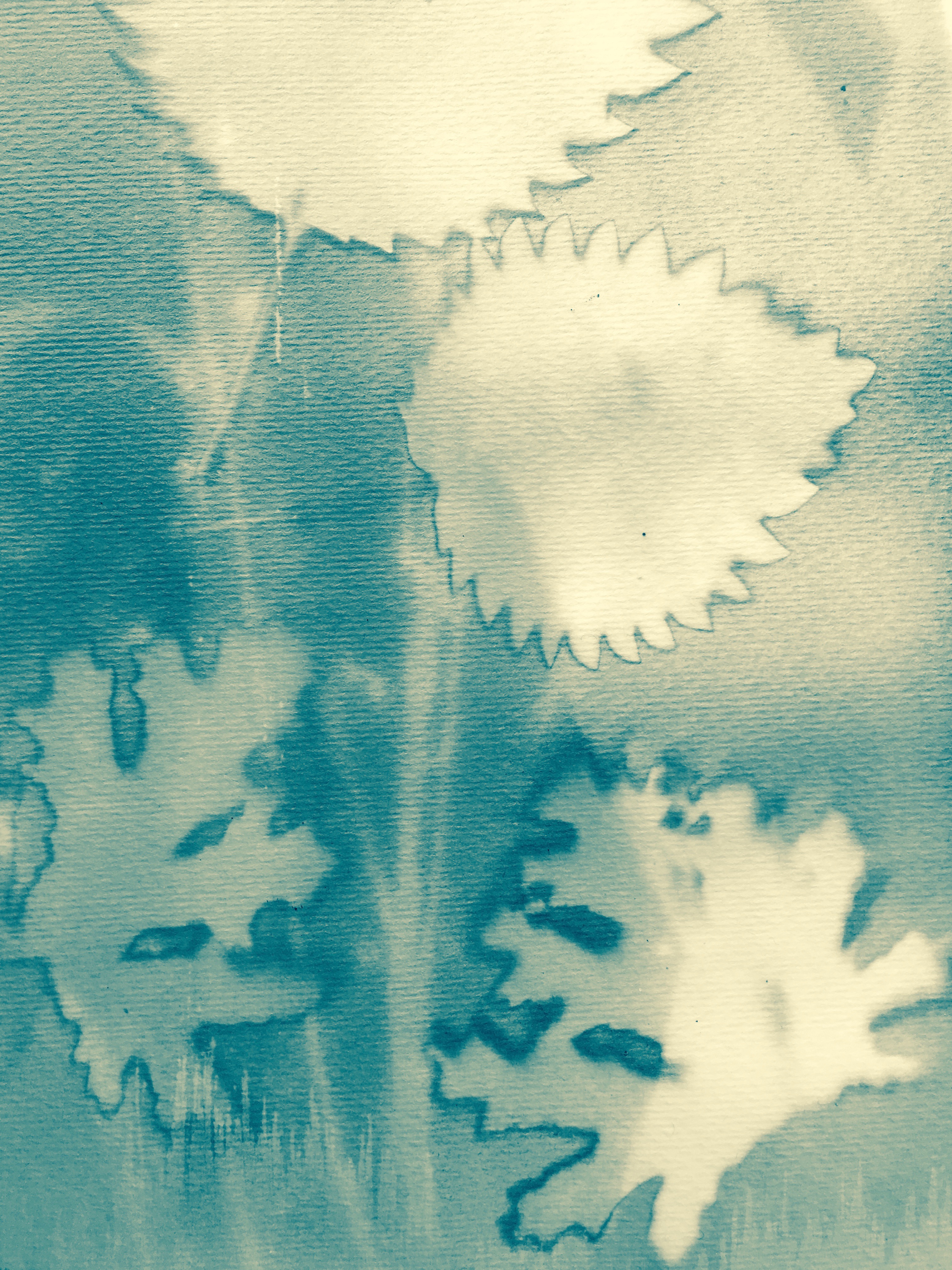
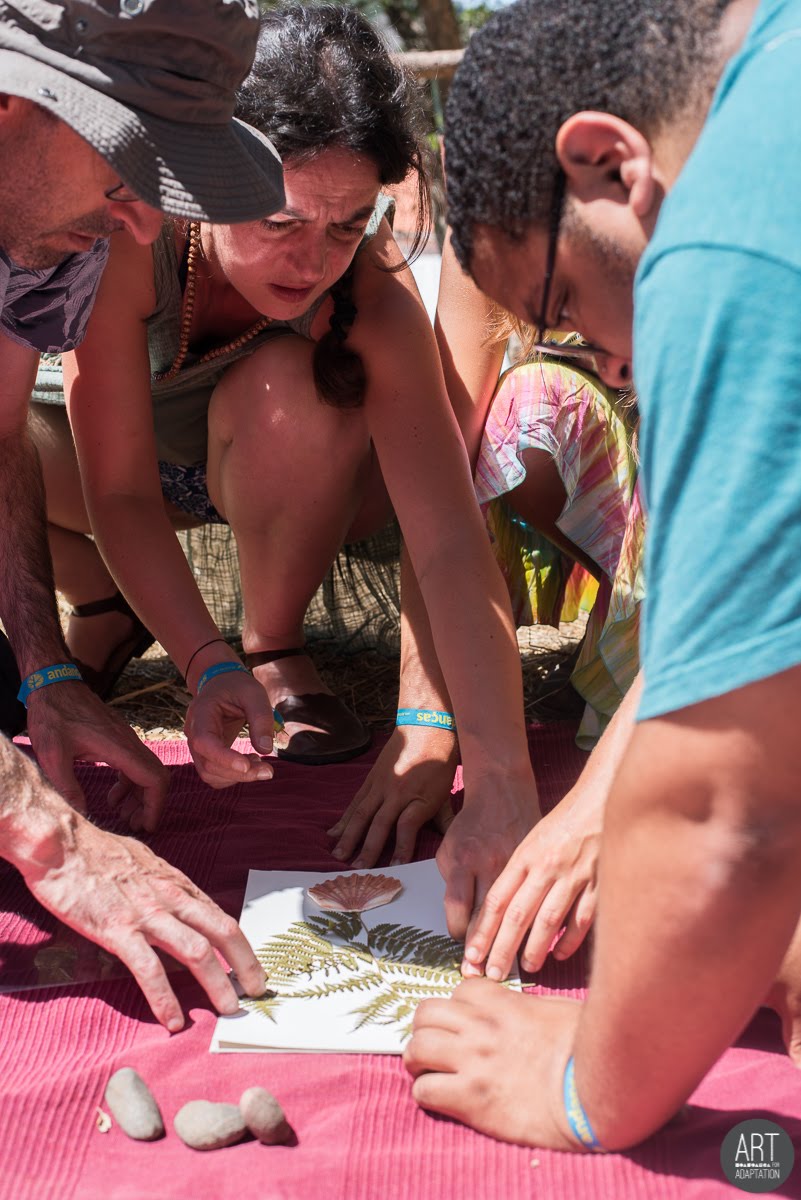
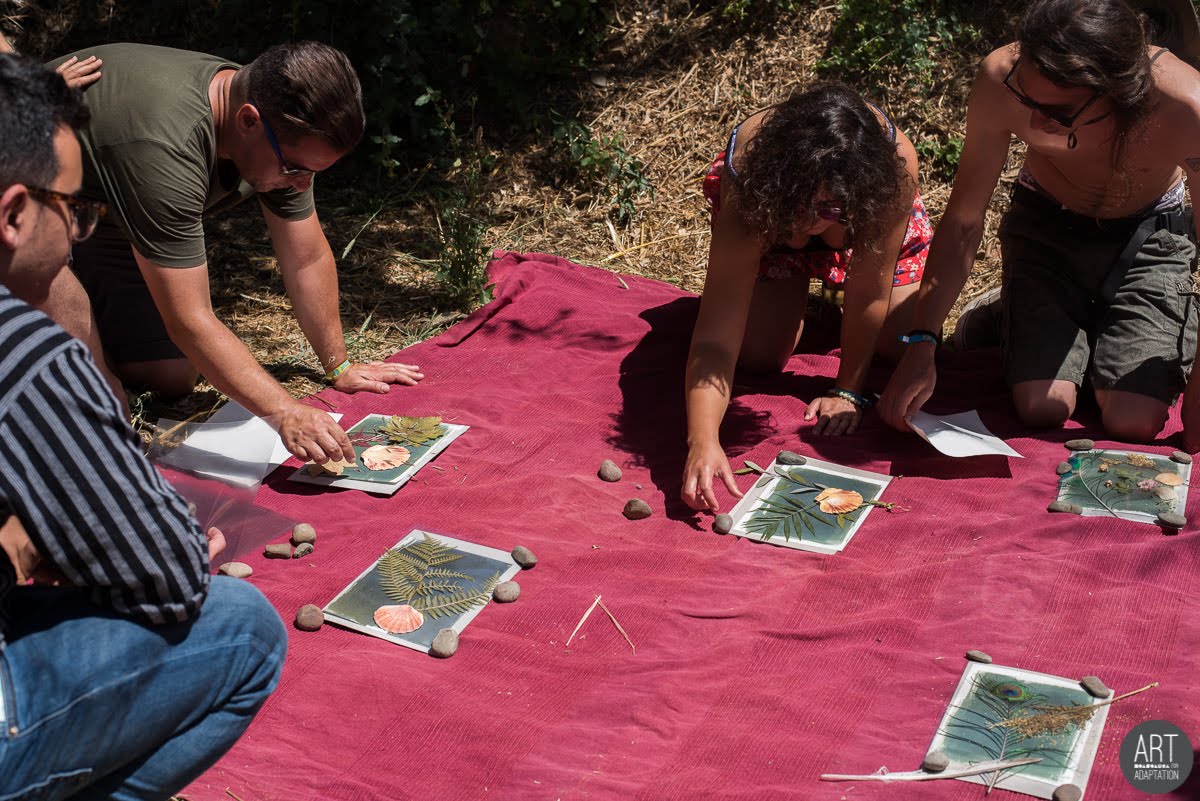
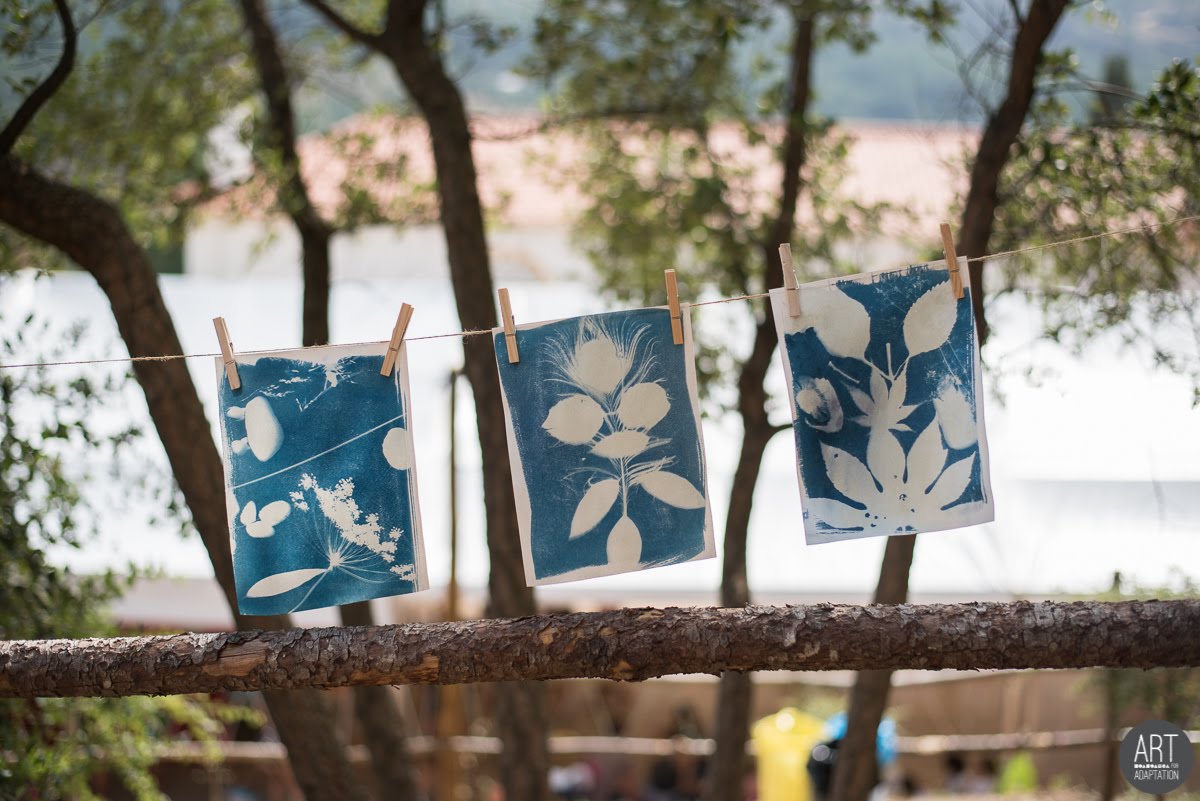
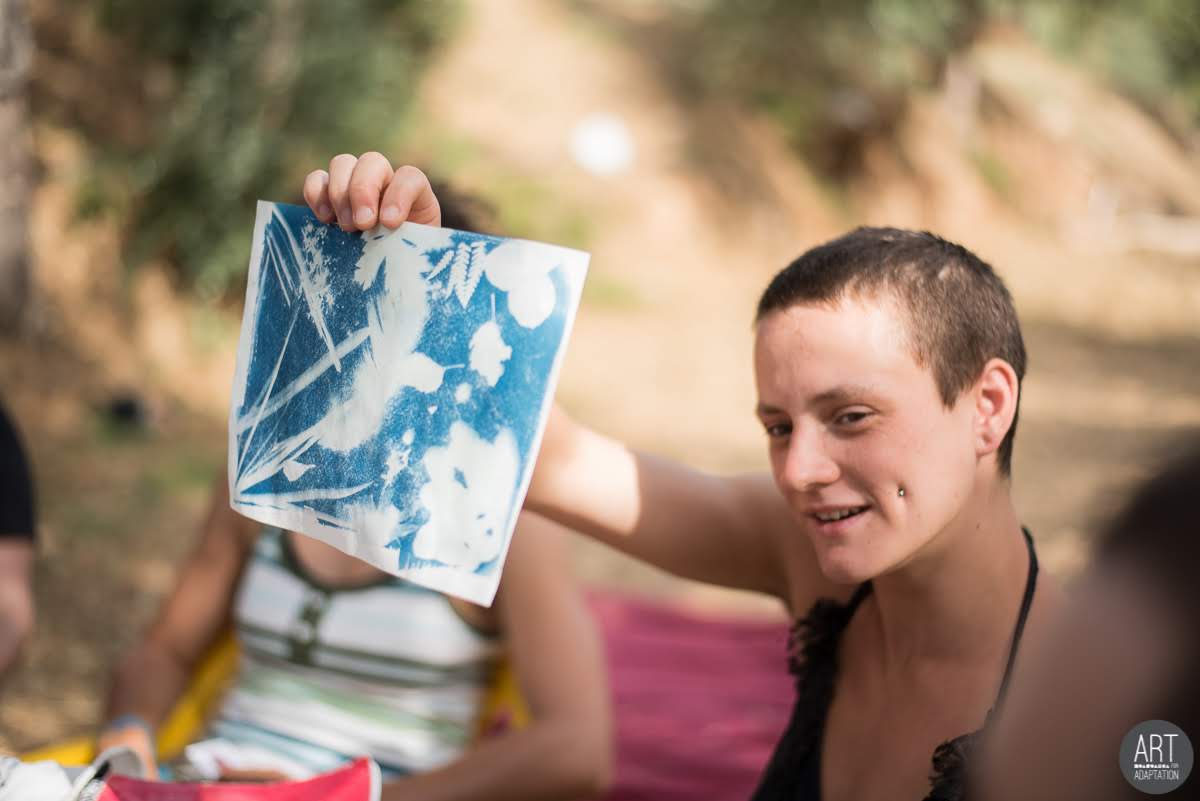
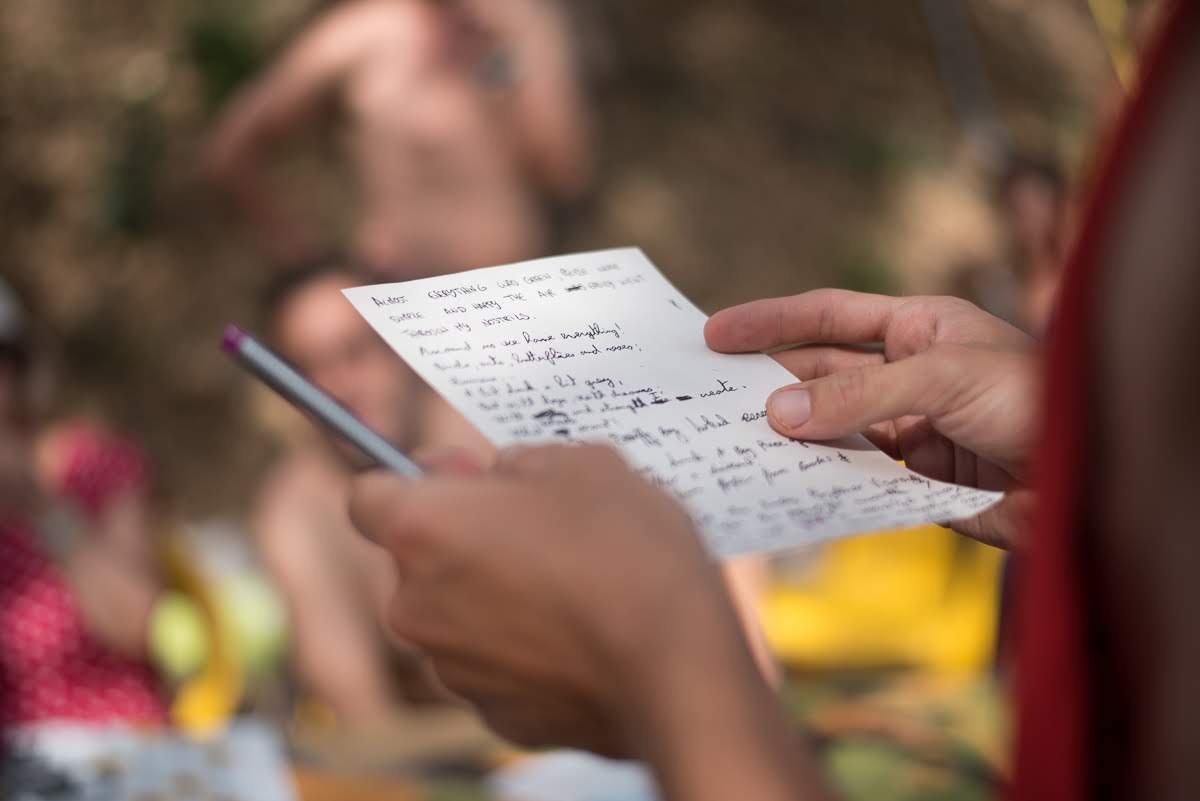 Cyanotype is a simple photographic printing process that produces cyan-blue prints. Discovered in 1842 by the English scientist and astronomer Sir John Herschel, it was used for reproducing notes and diagrams, and for documenting plant life. In this workshop we use cyanotype prints to illustrate core values and messages for present generations imagined and gathered and on a journey to the future.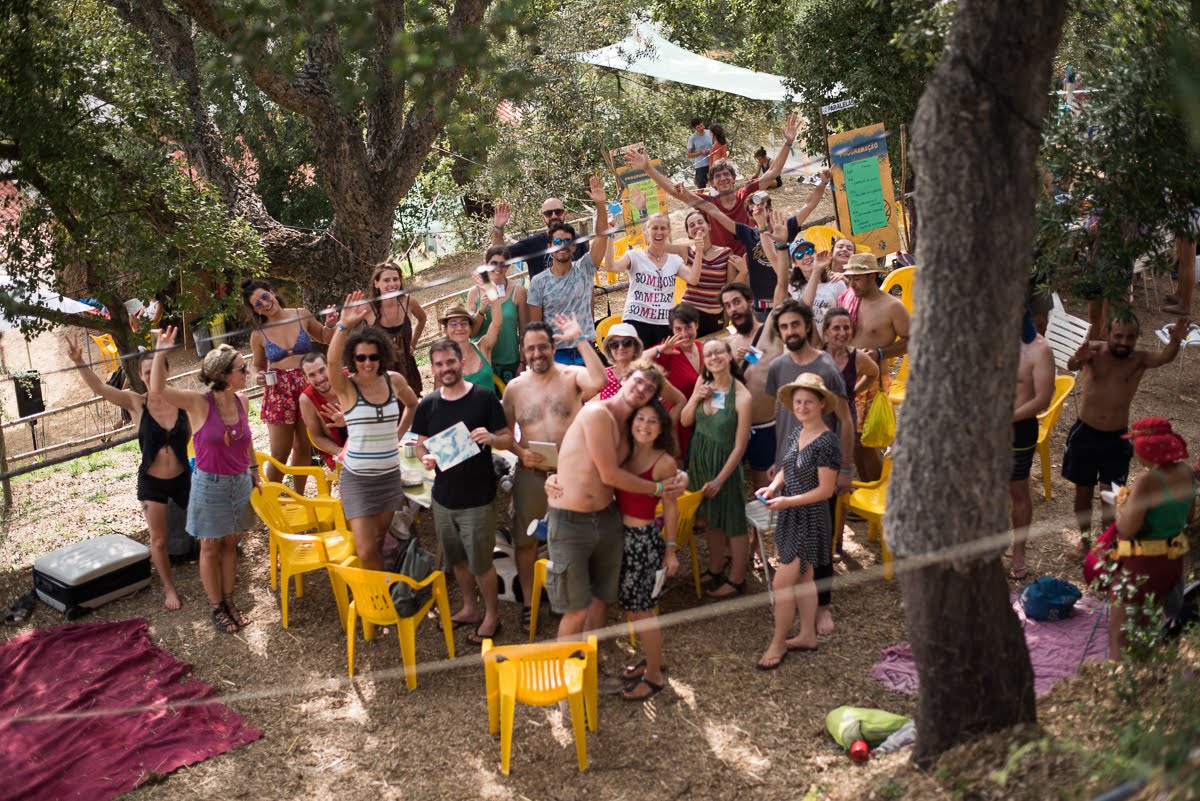






 ART FOR ADAPTATION
You must be logged in to post a comment.