
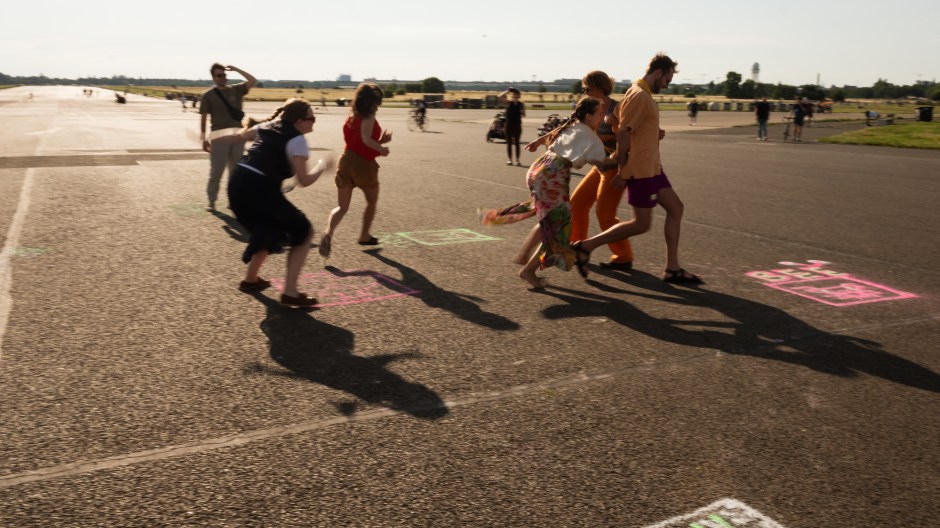
How can we live and thrive together?
The summer school “Urban Synergies: Co-creating thriving connections for humans with nature” was a five-day event, taking place in Berlin 15-19 July 2024 involving young people from Europe and beyond. It centered around the challenging questions: How can we live and thrive together? How can we not only overcome polarities but nurture diversity and dignity for all? How can cities not only adapt to climate change but restore and regenerate relationships with nature, resources and with communities around us?
Cultural and technological transformations that define modern life have pulled us away from our fundamental connection with nature and each other in ways that are unhealthy for people and the planet. This is particularly true within cities, where urban alienation and disconnection from natural systems are especially pronounced. Today, more than half the world’s population lives in cities, and more than two-thirds will live in urban areas by 2050. As rapid urbanization and ecosystem dysfunction (e.g., climate change; biodiversity loss) accelerate, we ask, how can we begin to reimagine urban life in ways that restore our connections to one another, our communities, and to the natural systems within which we are embedded? Moreover, since cities are places of deep, visible, and longstanding material andsocial inequities, how can we envision urban futures in ways that recognize, address, and transcend historic injustices to build more just, equitable alternatives?

The chosen approach to the city was an evolving and potentially transformative journey. It involved creative, embodied, and transdisciplinary approaches to learning about current challenges and injustices, drawing new linkages, and to designing change. This summer school invited participants to reimagine conviviality and community-building in the city through a transdisciplinary lens.
The goal was to provide participants with theoretical and practical knowledge of transdisciplinarity, transformation and regeneration in urban spaces. The chosen approach integrated arts-based, design-driven and experiential learning practices with theoretical knowledge. The summer school offered a space to explore how to navigate between perceived polarities and seeming contradictions to create new, regenerative imaginaries of the future. Taking place in the vibrant neighborhood of Schillerkiez, Neukölln, the summer school provided participants with opportunities for experiential learning through field visits and creative experiments. The summer school was conceptualized as a transdisciplinary learning space. It offered a balanced program of lectures, interactive sessions and experiential field trips in Berlin provided by experienced and internationally renowned trainers and researchers.
Access Report with Full Programm here

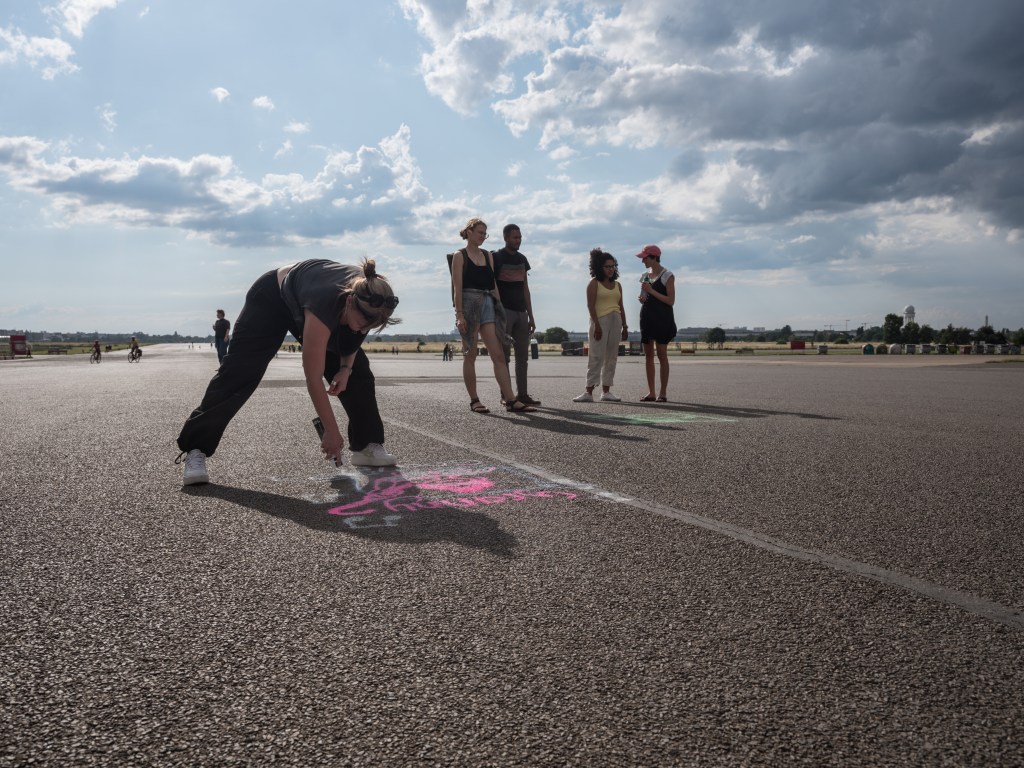
The summer school was an activity of the Cost Action SHIFT which studies the contribution of the Social Sciences, Humanities and the Arts to sustainability transformations and climate resilience. Organized by the Working Group 3, this summer school explored the potential of transdisciplinary, art- science approaches in addressing the complexities in urban spaces, drawing new linkages and designing connections that shape regenerative and thriving urban environments. Moving beyond disciplinary approaches to environmental challenges, this summer school integrated holistic, transdisciplinary approaches and created spaces for imagining and co-creating just, livable, healthy futures that foster a sense of belonging and kinship.
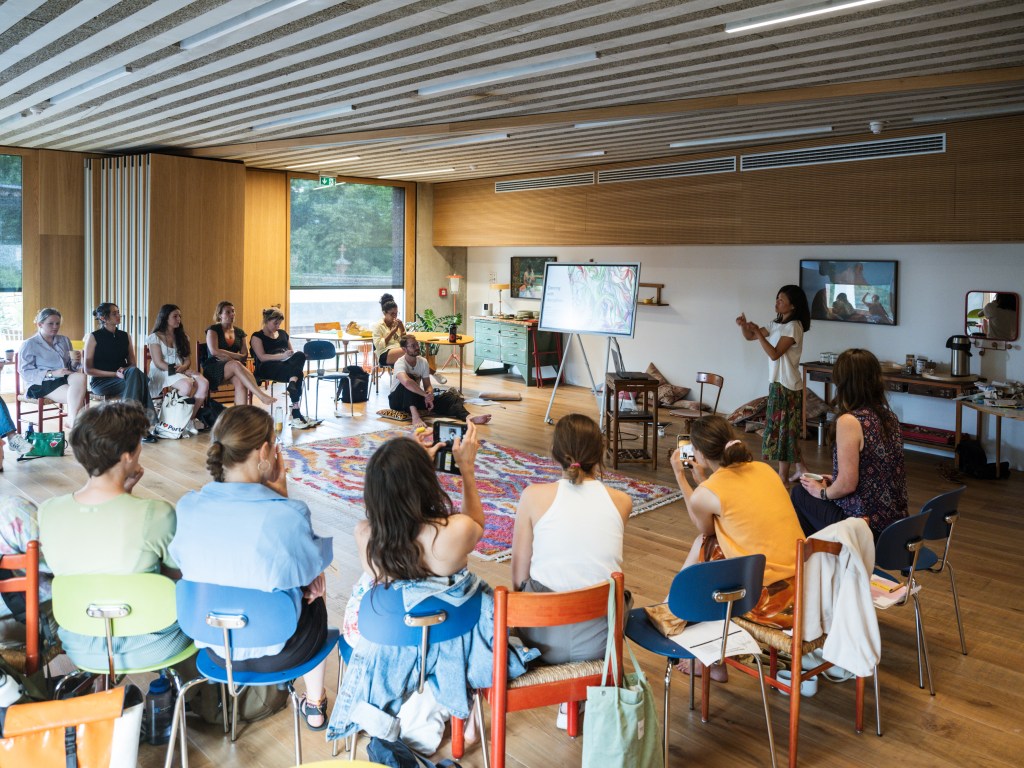
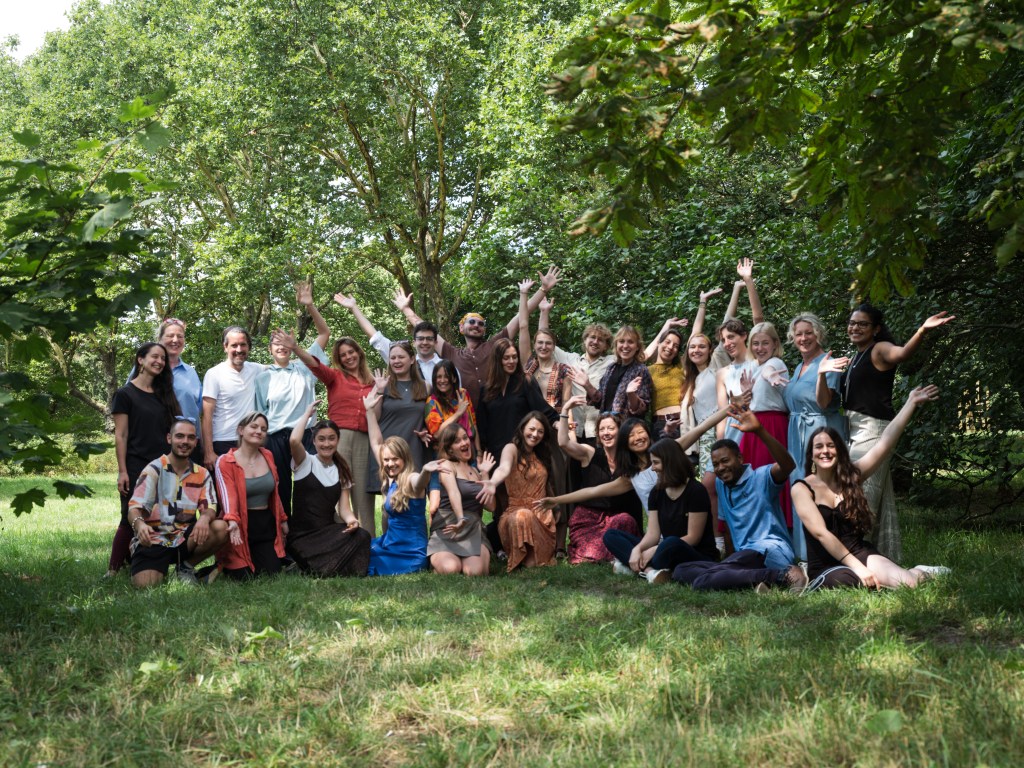
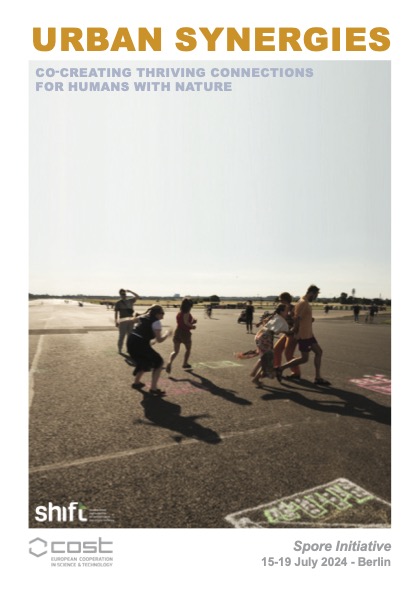
Organisers and facilitators: Julia Bentz, Kiat Ng, Jelena Ristic Trajkovic
Photos: Mirella Frangella
 ART FOR ADAPTATION
You must be logged in to post a comment.